






 Portuguese
  Spanish


According to an analysis by the Boston Consulting Group, the race for 6G is a commercial competition that moves billions of dollars. In Brazil, 5G is still expanding, with more than 700 cities and 35 million users, while the new network is only expected to reach cell phones starting in 2030.
While 5G is still in the expansion phase in Brazil, the technology industry is already experiencing an intense race for 6G, the new standard expected for 2030 that promises to transform mobile internet into a network up to 100 times faster than the current one. The battle moves billions of dollars and places telecommunications giants like Nokia, Ericsson, Huawei, Qualcomm, and Samsung on opposing sides.
According to an analysis by the Boston Consulting Group, companies are competing for 6G leadership to expedite commercial agreements, as those who first launch ways to access the new network will also receive commercial offers sooner. According to information released by NSC Total, the advancement, however, goes beyond speed, as the companies that set the standards will have greater control over the global communication infrastructure, which, according to the source, affects the technological sovereignty of various countries, while in Brazil 5G is still reaching cities.
Why the giants are competing for 6G
While 5G is still in the expansion phase, the technology industry is already experiencing an intense race for 6G, and according to an analysis by the Boston Consulting Group, companies are competing for leadership of the new standard to expedite commercial agreements.
-
Brazil Launches First Commercial Rocket from Alcântara, Enters Space Market

-
Butantan’s Dengue Vaccine Becomes World’s First Single-Dose Solution, Prevents 100% of Hospitalizations
-
UN Warns AI Data Centers Could Consume 9.3 Trillion Liters of Water Annually

-
End of Concrete? Company Launches Carbon-Negative Building Material That Replaces Up to 30% of Cement in Concrete


It is a business race, as those who first launch ways to access the new network will also receive commercial offers sooner.
But the advancement goes far beyond download speed, as the companies that set the standards will have greater control over the global communication infrastructure, which, according to the source, affects the technological sovereignty of various countries.
The competition moves billions of dollars and places giants like Nokia, Ericsson, Huawei, Qualcomm, and Samsung on opposing sides, the same names that built 5G.
What 6G promises to change
The 6G follows the advancements of 5G, which allow for higher speed and the transfer of larger files, and with the new standard, this potential of the internet promises to transfer to other applications involving artificial intelligence.
The large amount of data sent by 6G is expected to make the internet much faster for the user.
The advancements, however, are projected to go beyond downloading movies in seconds, as the standard would allow for the creation of real-time digital copies, the automation of transportation and drones, and even remote precision surgeries.
These capabilities, however, are still promises of a 6G that, unlike the already operational 5G, does not have defined technical specifications.
How is 5G in Brazil today
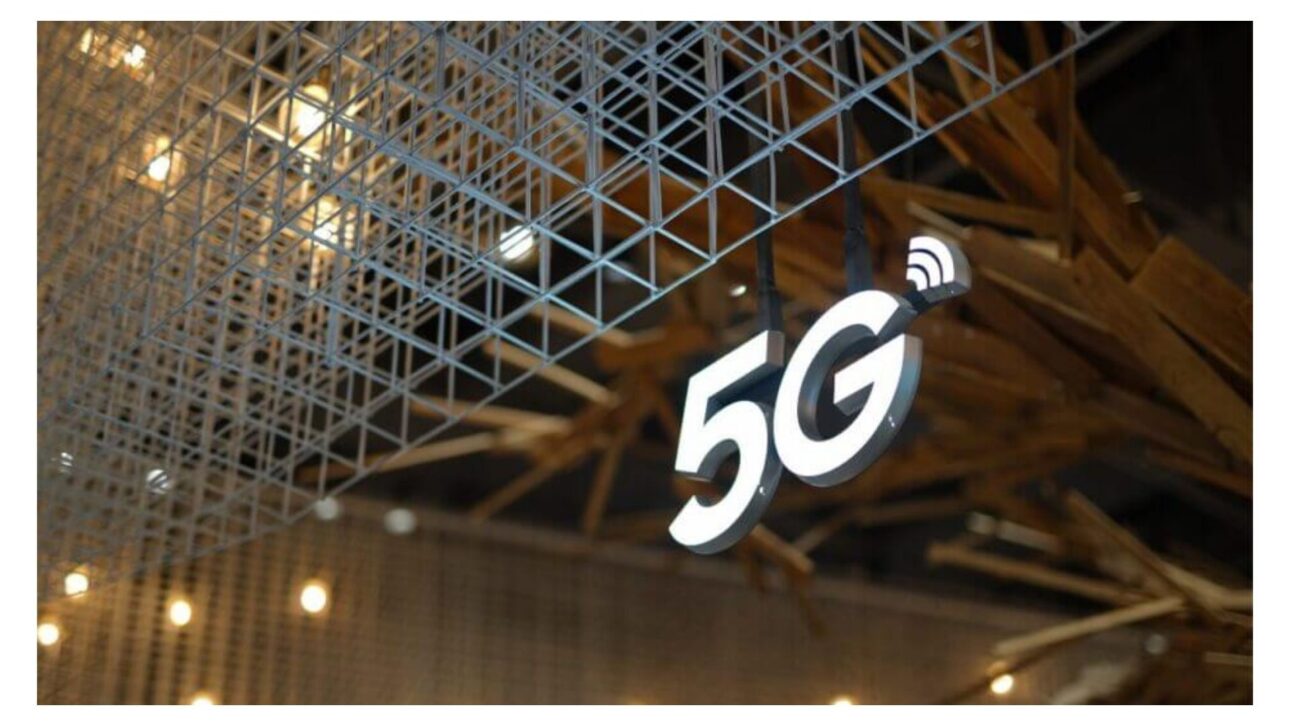
While 6G is contested in laboratories, 5G is still being deployed in Brazil, where, according to the report, it has transformed sectors such as health, education, and agriculture and expanded connectivity throughout the country.
Pure 5G can be deployed in all Brazilian municipalities, with a final target for larger cities by 2029.
Currently, more than 700 cities already have active 5G, serving about 35 million users, and access requires a compatible device, an appropriate plan, and local coverage.
This ongoing expansion shows the gap between the current reality of 5G and the promises of 6G already in dispute.
The patent cold war between Asia and the West
Today, the race for 6G is experiencing a patent cold war, as the standard does not have specifications on how the signal will be transmitted, companies are racing to register the most transmission and infrastructure technologies, to license usage rights through contracts.
Chinese Huawei and South Korea’s Samsung lead the volume of laboratory research in the Asian continent, both focused on antennas capable of transmitting data at extremely high frequencies, a step beyond 5G.
“6G will be the connective fabric that unites the physical world to the digital,” declared Samsung’s research division in its technical manifesto.
On the other side, the Western bloc is betting on the union of forces, with Qualcomm in the design of advanced chips for cell phones, while Nokia and Ericsson focus on security software for corporate networks.
According to the source, the goal of the European and American group is to create a unified global standard that reduces dependence on Asian equipment, in a dispute that goes beyond the technical evolution of 5G.
When 6G Reaches the Consumer
Despite the accelerated pace of testing, the global replacement of networks is expected to take time, with the forecast that the first commercial specifications will be finalized by the end of this decade.
The first compatible smartphones, according to the source, are expected to reach the general market starting in 2030, in the standard that succeeds 5G.
This means that, for the average user, 6G is still years away, while 5G continues to expand its coverage and consolidates as the current network.
Until the new network arrives, the dispute over patents and standards will continue to move billions of dollars away from the consumer’s screen.
While 5G is still reaching Brazilian cities, with more than 700 active cities, about 35 million users, and a final goal for 2029, giants like Nokia, Ericsson, Huawei, Qualcomm, and Samsung are already competing for 6G, a network up to 100 times faster expected by 2030, in a commercial race, according to the Boston Consulting Group, and in a patent cold war between Asia and the West.
The promises of 6G, such as artificial intelligence applications, remote surgeries, and autonomous drones, are still projections of a standard without defined technical specifications, and the first compatible phones are only expected to arrive starting in 2030. While the new network does not reach the screen, the dispute over standards and patents, which affects the technological sovereignty of countries, continues to move billions of dollars, far from the 5G that the Brazilian user still sees expanding.
And you, what do you think about the race for 6G while 5G is still expanding in Brazil? Do you believe that the promises of remote surgeries and autonomous drones will arrive by 2030, or is it still a distant thing? Share your opinion and exchange ideas with other readers about technology and connectivity.


