Portuguese
  Spanish


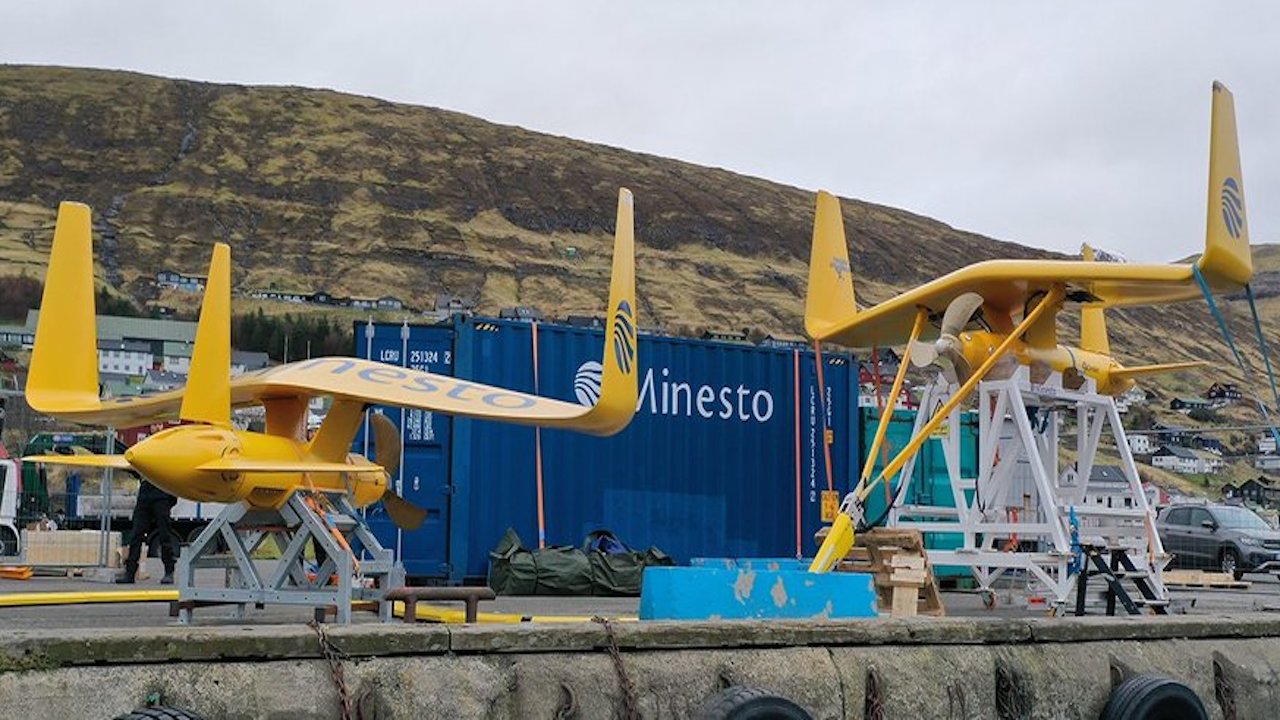

Tidal Turbine Was Designed to Harvest Tidal Energy Much More Cheaply than Barrage-Style Installations
The Swedish engineering firm Minesto, a spin-off of Saab, has developed a series of tidal turbines, or “sea dragons,” that resemble underwater aircraft. The company operates two of the winged machines in the waters of the Faroe Islands in the North Atlantic, where they generate electricity from ocean currents.
Read Also
- General Electric Renewable Is Manufacturing the Largest and Most Powerful Wind Turbine in the World to Be Installed at the Largest Offshore Wind Farm in 2023
- Giant Offshore Turbines Will Reduce the Cost of Wind Energy, Allowing Wind to Play a Larger Role in Renewable Energy Worldwide
- Blade-less Portable Wind Turbine for Urban Spaces Could Revolutionize Renewable Energy Generation Worldwide
- New Portable Wind Turbine Generates Energy Anywhere and Can Operate Alongside Solar Panels
- Blade-less Turbines Could Revolutionize Wind Farms and Change the World of Renewable Energy
The tidal turbines are anchored to the seabed by 40-meter metal cables. Their 16-foot (five-meter) wingspan allows them to move within the water at a speed greater than the tide, amplifying the amount of energy produced and generating enough electricity to power approximately 50 to 70 homes. This feature is what sets them apart from existing underwater turbine models. Watch the video below to learn about the Tidal Turbine.
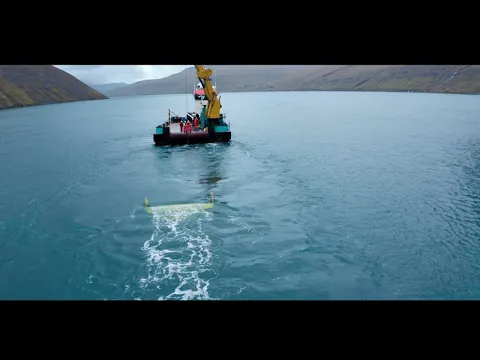

The principle is surprisingly similar to a wind turbine developed by Kitekraft. Similar to an aircraft, Minesto’s winged turbines generate thrust and electricity through the lift created by the water flow, as opposed to air.
-
After a Year of Success in Switzerland, Solar Railway Attracts Italy’s Interest for Clean Energy Transformation

-
Robots Clean Solar Panels in Desert Power Plants Without Water, Preventing Energy Losses
-
Brazil’s Offshore Wind Energy Potential Worth $1 Trillion Stalled by Long-Delayed Agreement

-
World’s Largest Engie Solar Plant in Brazil Highlights Billion-Dollar Energy Waste Issue: Company Considers Batteries and Bitcoin Mining to Avoid Wasting Production




Kitekraft’s machines, in turn, offer the benefit of being controllable during storms or extremely strong wind conditions to avoid damage to the systems. Both of the company’s systems can be deployed as fleets, with each of the machines spaced far enough apart to avoid collisions.
Turbines Will Be Able to Generate 1.2 Megawatts of Power, Meaning an Underwater Fleet Could Be Sufficient to Supply 25,000 Families in the Faroe Islands
Minesto’s tidal generators use an onboard computer to guide them to the prevailing current, making them as environmentally friendly as possible. Electricity is distributed through the mooring cable to a different submarine cable, which is connected to a management station near the coastal town of Vestmanna.
The two wings currently in use have contributed to the national grid of the Faroe Islands as part of a trial carried out last year. According to Minesto, the agency is currently engaged in new turbines with a wingspan of 39 feet (12 meters) and a moderate 16 feet (5 meters). They will be able to generate 1.2 megawatts of power, meaning an underwater fleet could be sufficient to supply half of the 50,000 families in the Faroe Islands. The project’s goals are to help the islands achieve the target of producing all their electricity from renewable sources by 2030.
Minesto’s project joins a roster of bold tidal turbine initiatives being developed to help governments worldwide meet their emission targets. Earlier this year, for example, the Scottish engineering agency Orbital Marine Power launched its 680 metric ton turbine, known as O2, which began sending power to the grid within the United Kingdom.