






 Portuguese
  Spanish


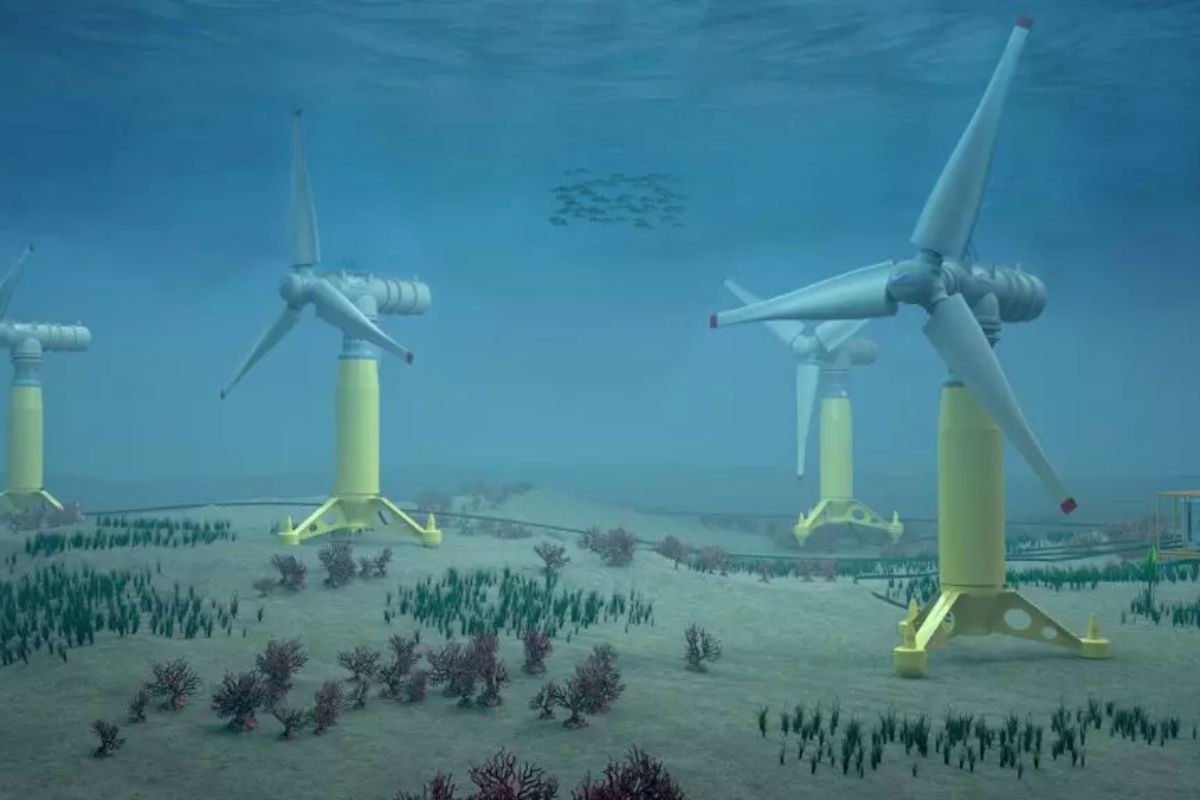


Developed by the Brazilian startup TidalWatt, the new subsea turbine is 60 times smaller than a wind turbine but has the same power and can generate up to 3 times more energy, supplying almost 23 thousand homes.
A Brazilian startup has developed a technology that promises to revolutionize clean energy generation in the country. TidalWatt has created a compact and powerful subsea turbine, designed to harness the constant force of marine currents. The innovation is so impressive that, according to the company, the equipment can produce three times more energy than a traditional wind turbine.
According to Maurício Queiroz, creator and CEO of the startup, the main advantage of the technology is its predictability. “When the energy source is predictable and stable, as is the case with the exclusive use of the ocean, we can affirm that this source provides energy security,” he explained.
What Is the Subsea Turbine from TidalWatt?
The subsea turbine from TidalWatt is a clean energy generator designed to be installed on the seabed or in rivers, harnessing the constant flow of water to generate electricity.
-
How to Prevent Brown Recluse Spider Bites: Common Hiding Spots and Free Tips to Reduce Risks

-
Natto: The Unusual Japanese Superfood Gaining Popularity on Social Media and Driving Record Exports
-
Brazilian Mayor Goes Undercover as Homeless for 24 Hours to Assess Public Services

-
15-Year-Old Entrepreneur Malu Lira Publishes 20 Children’s Books on Financial Education, Earns $500,000, and Expands Her Project to the Amazon Rainforest




The technology was developed by the Brazilian startup TidalWatt, under the leadership of its founder, Maurício Queiroz. The aim is to offer a more efficient, compact alternative with a lower environmental impact compared to other renewable energy sources.
How Does the Technology Work? 60 Times Smaller, Same Power
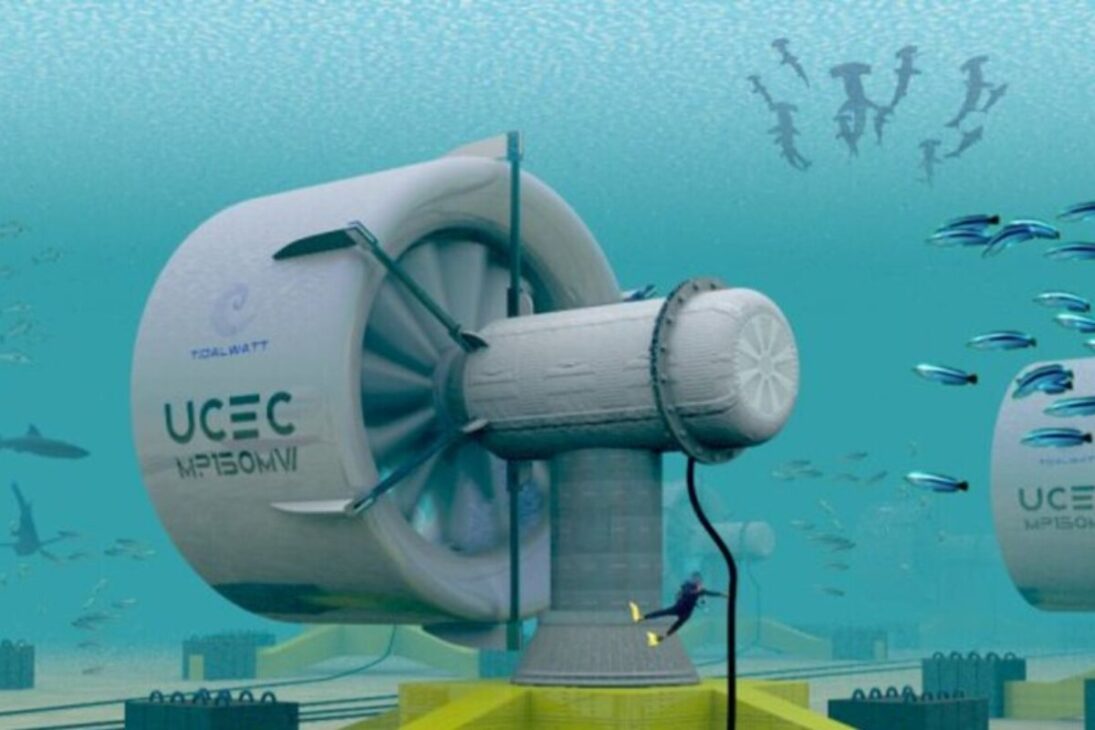
The great innovation of the Brazilian subsea turbine lies in its efficiency. According to Queiroz, a single turbine with only 3 meters in diameter can produce the same power as a gigantic wind turbine of 180 meters in diameter.
Both can generate about 5 megawatts (MW) of power. The difference is that TidalWatt’s turbine is 60 times smaller to deliver the same result, making it a much more compact and discreet solution.
The Generating Capacity: Energy for More Than 22,000 Houses
The generating capacity of the subsea turbine is one of its greatest assets. With a power of 5 MW, the company claims that the equipment has a capacity factor that varies between 70% and 95%.
This means it operates much more consistently than a wind turbine, which relies on intermittent winds. With this capacity, a single subsea turbine can supply power to about 22,800 families, based on the average energy consumption of Brazilian households.
The Advantages of the System: No Visual Impact and Easy Maintenance
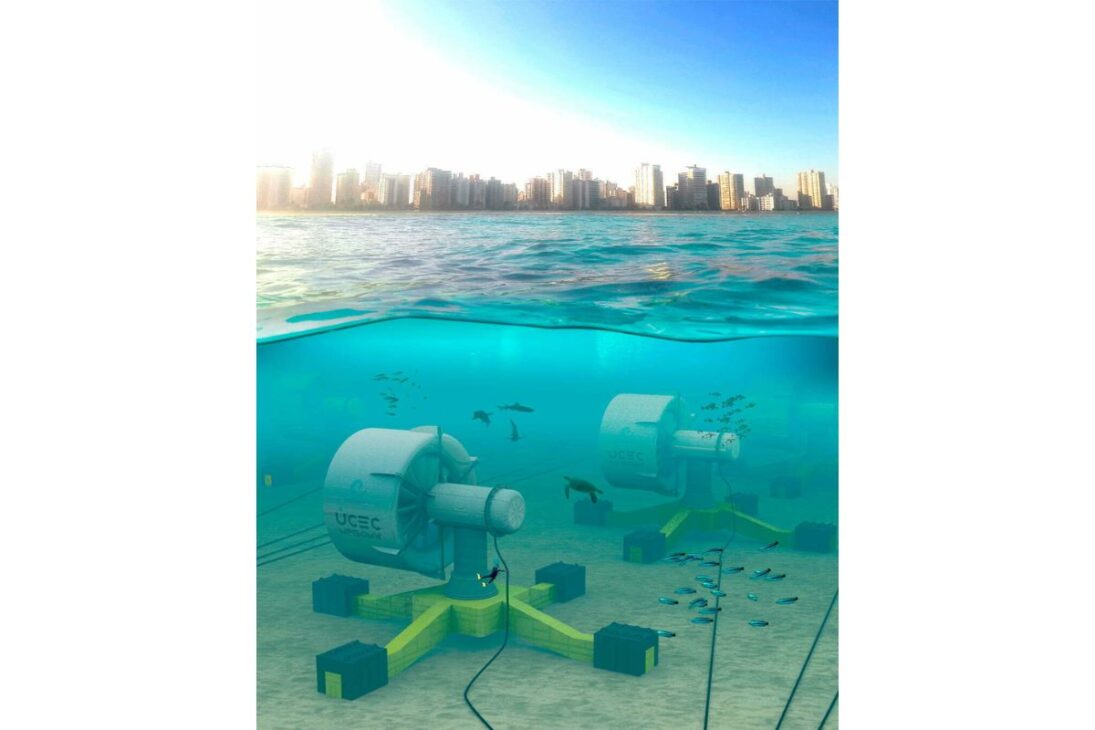
In addition to efficiency, TidalWatt’s system was created to be a sustainable solution with a low impact.
- No Visual or Sound Pollution: Being submerged, the turbine does not interfere with the landscape and generates no noise.
- Easy Maintenance: The structures are compact and easy to maintain.
- Flexibility: They can also be installed in rivers, without the major environmental damage caused by hydropower plants.
The Future of Tidal Energy in Brazil
TidalWatt’s technology positions Brazil at the forefront of tidal energy. The startup plans to install its generators in locations where the current speed exceeds 1 knot.
With the promise of clean, constant energy and low impact, the subsea turbine presents itself as an innovative and strategic solution for the future of energy security in the country.








A ideia é boa, sem dúvida, tanto que há protótipos instalados há décadas espalhados pelo mundo. Quanto à “densidade de potência” maior do que a das turbinas eólicas (Watts por metro quadrado de área de rotor), não poderia ser diferente: basta lembrar que a água do mar é quase 1000 vezes mais densa que o ar. Mas vale a pena tentar descobrir cenários nos quais essa tecnologia seja competitiva.