






 Portuguese
  Spanish
  4 min of reading
  0 comments


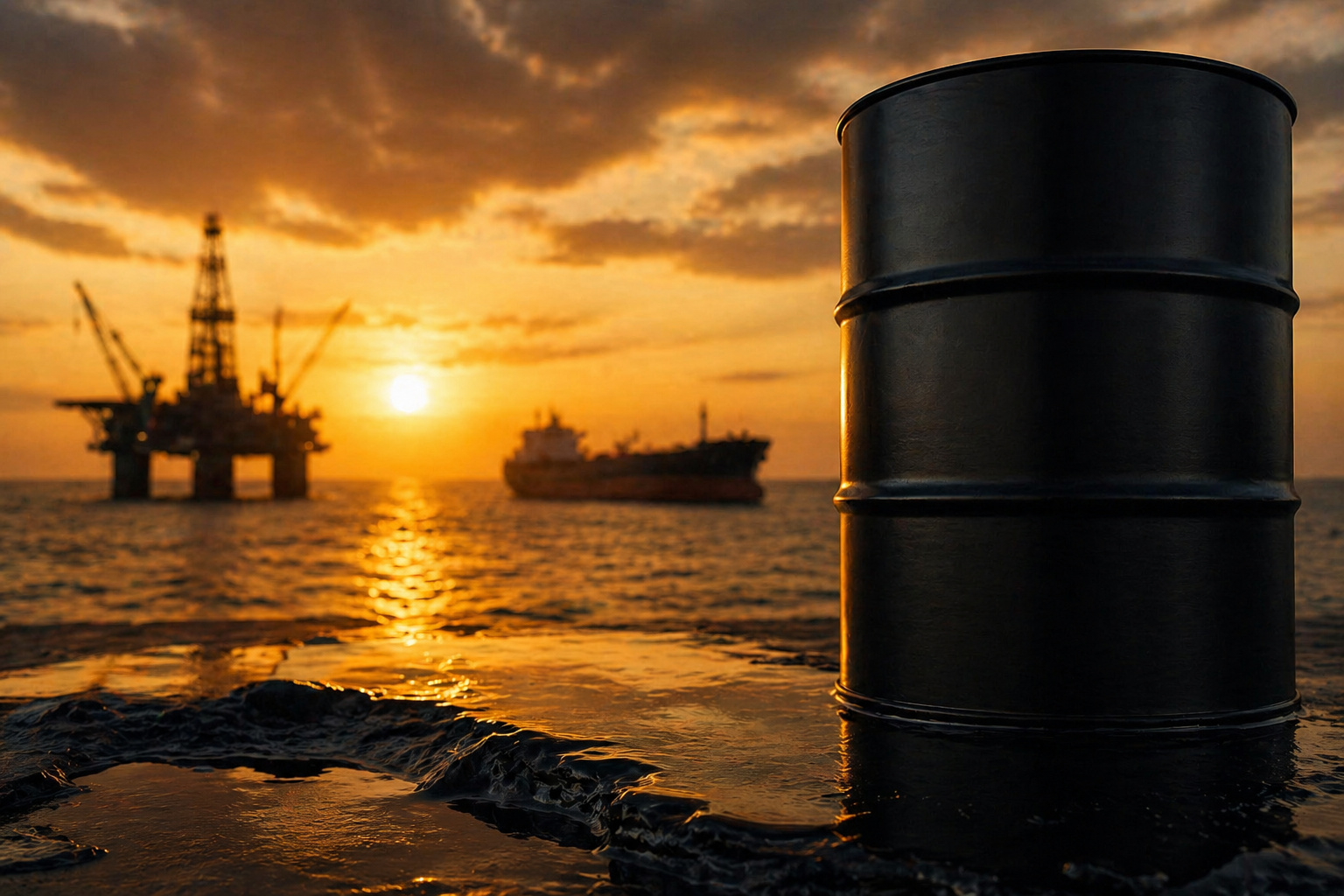
Oil is back in the global spotlight after two months of war between the United States and Iran. The conflict, which began with American bombings, continues to directly impact the international energy market.
In this context, the price of Brent oil surpassed the $111 per barrel mark. This movement reflects instability in the Middle East and concerns about the global supply of the commodity.
According to RTP, the barrel registered an increase of almost 3% around 12:20 PM (Lisbon time), reinforcing pressure on the markets.
-
Oil production grows in Rio, but reserve replacement raises a warning sign

-
Petrobras is expected to complete the drilling of the Morpho well in the Foz do Amazonas in August 2026, the first well in the Equatorial Margin, an oil frontier that the ANP estimates at more than 30 billion barrels and could redraw the map of Brazil.

-
Oil returns to the center of concerns with tension between the US and Iran

-
IEA reduces forecast for global oil demand in 2026 after impacts of the Middle East crisis
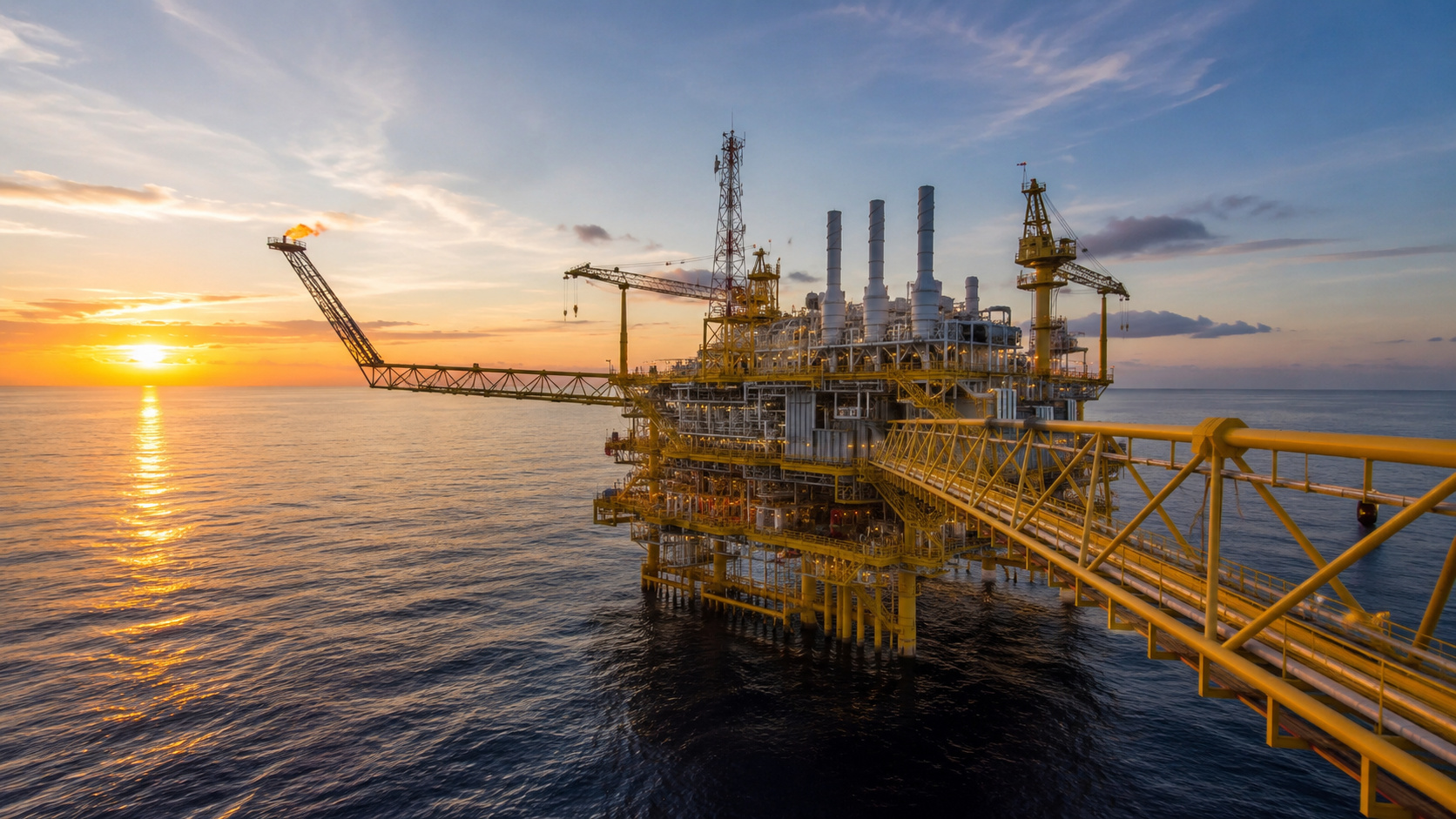


Conflict pressures global oil supply
The Middle East plays a central role in global oil production. Therefore, any conflict in the region generates an immediate impact on prices.
In the case of the war between the US and Iran, the risk of supply disruption increases uncertainty. As a result, investors react by raising commodity prices.
Furthermore, strategic transport routes, such as the Strait of Hormuz, remain under constant threat. This further intensifies the so-called “risk premium” in the market.
Thus, the price of oil rises not only due to actual supply but also due to future expectations.
History of tensions and impact on oil
The relationship between conflicts in the Middle East and oil is not new. Over the past decades, wars and political crises have already caused strong price fluctuations.
For example, during the Gulf War in the 1990s, the market saw significant increases due to fears of supply disruption.
Similarly, tensions involving Iran frequently generate instability. The country is one of the main oil producers and has great influence in the region.
Thus, the current scenario follows a historical pattern, in which geopolitical conflicts directly affect the energy market.
Political statements increase uncertainties
In addition to military confrontation, political statements also influence market behavior. Iran’s Foreign Minister, Abbas Araghchi, stated that the United States has not achieved its objectives.
According to the Iranian government, Washington is now seeking dialogue with Tehran. This change in stance may indicate an attempt to reduce tensions.
However, the market reacts with caution. Even with signs of negotiation, the risk of conflict escalation still remains.
Therefore, political statements increase the volatility of oil prices.

Oil and the role of the Strait of Hormuz
One of the most sensitive points of the conflict involves the Strait of Hormuz. This maritime route is responsible for transporting a large part of the world’s oil.
Any threat to the strait could compromise the global flow of the commodity. As a consequence, prices tend to rise rapidly.
In this scenario, producing and importing countries closely monitor the situation. The security of the route becomes a strategic priority.
Furthermore, the risk of blockades or attacks on ships increases tension in international markets.
Market and investor reaction
Financial markets react quickly to conflicts involving oil. Investors seek to anticipate possible scenarios and adjust their positions.
When there is a risk of reduced supply, prices rise. On the other hand, signs of negotiation can bring temporary relief.
In the current case, the combination of war and the possibility of dialogue creates an uncertain scenario. This increases volatility and makes predictions difficult.
Thus, oil behavior reflects both real factors and market expectations.
Global economic impacts
The increase in oil prices impacts various economies. Importing countries face higher costs, which can fuel inflation.
On the other hand, exporting countries can benefit from rising prices. However, instability also brings risks to economic growth.
Furthermore, sectors like transport and industry suffer from increased energy costs. This can affect production chains on a global scale.
Thus, oil continues to be a determining factor for the world economy.
Possible scenarios for oil
The future of oil will depend on the evolution of the conflict. If tensions increase, prices may continue to rise.
Conversely, diplomatic advances could stabilize the market and reduce pressure on prices.
According to specialists, the most likely scenario involves constant fluctuations as long as the conflict persists.
Additionally, decisions by major producers and organizations like OPEC also influence market balance.
Oil remains a geopolitical barometer
The war between the US and Iran reinforces oil’s role as an indicator of global geopolitics. Its fluctuations reflect not only supply and demand, but also conflicts and international relations.
In this context, monitoring oil behavior becomes essential for understanding the global economy.
At the same time, the current scenario shows how dependence on the commodity still impacts political and strategic decisions.
Thus, even with advances in renewable energy, oil remains one of the main elements of the international scene.


Scenario remains uncertain in the Middle East
After two months of conflict, the scenario is still marked by uncertainties. Although there are signs of possible dialogue, the situation remains unstable.
Meanwhile, oil prices remain sensitive to any change in the geopolitical context.
Therefore, the market will continue to monitor the developments of the war. Each new event can directly influence prices and the global economy.
Thus, oil maintains its central role as a strategic resource, connecting politics, economy, and international security.






Be the first to react!