






 Portuguese
  Spanish


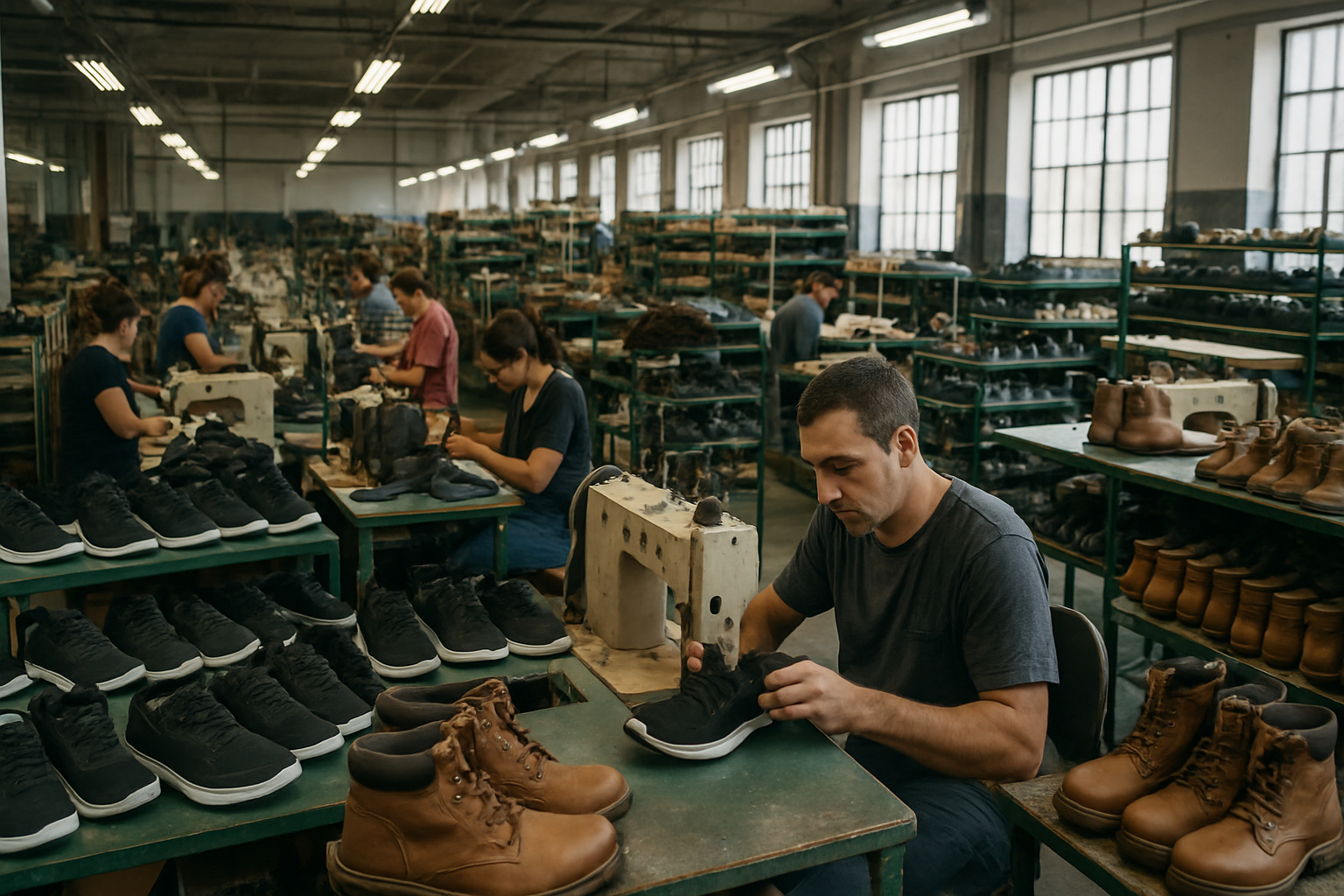
In Chapada, In The North Of Rio Grande Do Sul, The Closure Of The Footwear Industry Marks The End Of An Era And Exposes The Challenges Of Production After The Pandemic And Warmer Winters
Tomorrow, October 10, marks the end of an era for the municipality of Chapada, in the north of Rio Grande do Sul. After almost 14 years of operation, a traditional footwear factory from Rio Grande do Sul will permanently cease its production, shutting down machines and dismissing 135 employees. The decision was confirmed this week and will have a profound impact on the local economy of a town with just over 9,500 inhabitants.
Crises Accumulated Since The Pandemic
As reported by the GZH portal, the closure is not directly related to the so-called “Trump Tariff,” but to the difficulties accumulated since the pandemic. The footwear industry faces a series of obstacles that have worsened in recent years, such as high costs, a decline in demand, and increasingly mild winters — a factor that has significantly reduced the consumption of women’s boots in the domestic market.
The data illustrates the decline: before the health crisis, the average daily production was 7,500 pairs of footwear. In recent months, the volume has plummeted to 2,500 pairs, a drop of 66%. The number of employees has also shrunk from 320 to 135, a reduction of 58% in the workforce. The companies, which have Chinese shareholders, directed 80% of their sales to the state of São Paulo, one of the largest consumer hubs in the country.
-
Coca-Cola Shuts Down 100-Year-Old Factory in the U.S., Impacting 85 Workers and Shaking Local Community with Historic Consequences

-
Bianca Andrade Invests $30 Million of Her Own Money in Boca Rosa, Launches Over 100 Products in a Year, Aiming for $400 Million by 2026
-
Belo Horizonte Becomes First Brazilian City to Fund Housing, Utilities for 100 Homeless Families with $900,000 Initiative
-
Brazilian Joins Homeownership Consortium, Faces Decade of Dual Payments Totaling $141,000, Surpassing Traditional Mortgage


Social Impact And Return Of The Area To The City Hall
With the cessation of activities, the industrial area of 5,790 square meters will be returned to the city hall of Chapada. The space, which for more than a decade housed one of the main sources of income and jobs in the city, will now be allocated to new projects or to attract other companies interested in occupying the site.
According to manager Volmar Stürmer, all employees will receive their labor rights:
“We will continue producing until October 10. All employees will leave with their rights; the company has always been very correct, there were not many labor lawsuits in its nearly 14 years of operation,” he stated.
The statement reinforces the management’s commitment to responsibly end the cycle, without leaving legal issues or losses for employees.
A Reflection Of The Gaucho Economy And Changing Climate
In addition to the direct impacts on employment, the closure symbolizes a concerning trend for the gaucho footwear sector. With the rise in average temperatures in recent years, winter collections — traditionally the flagship of exports and national sales — have lost strength. Factories that relied on this niche have begun to face high inventories and reduced margins.
Despite the end of production in Chapada, the distribution center of the brand located in Campo Bom, in the Greater Porto Alegre region, will continue to operate normally, indicating that part of the commercial and logistical structure will remain active.
The crisis of the Chapada factory is not an isolated case, but a reflection of a sector that struggles to reinvent itself in the face of economic and climatic changes. And for a small town in the gaucho interior, the silence of the machines this Thursday will be a clear symbol of how global transformation arrives, sooner or later, at every corner.





-

-

-

-

-

-

68 people reacted to this.