






 Portuguese
  Spanish


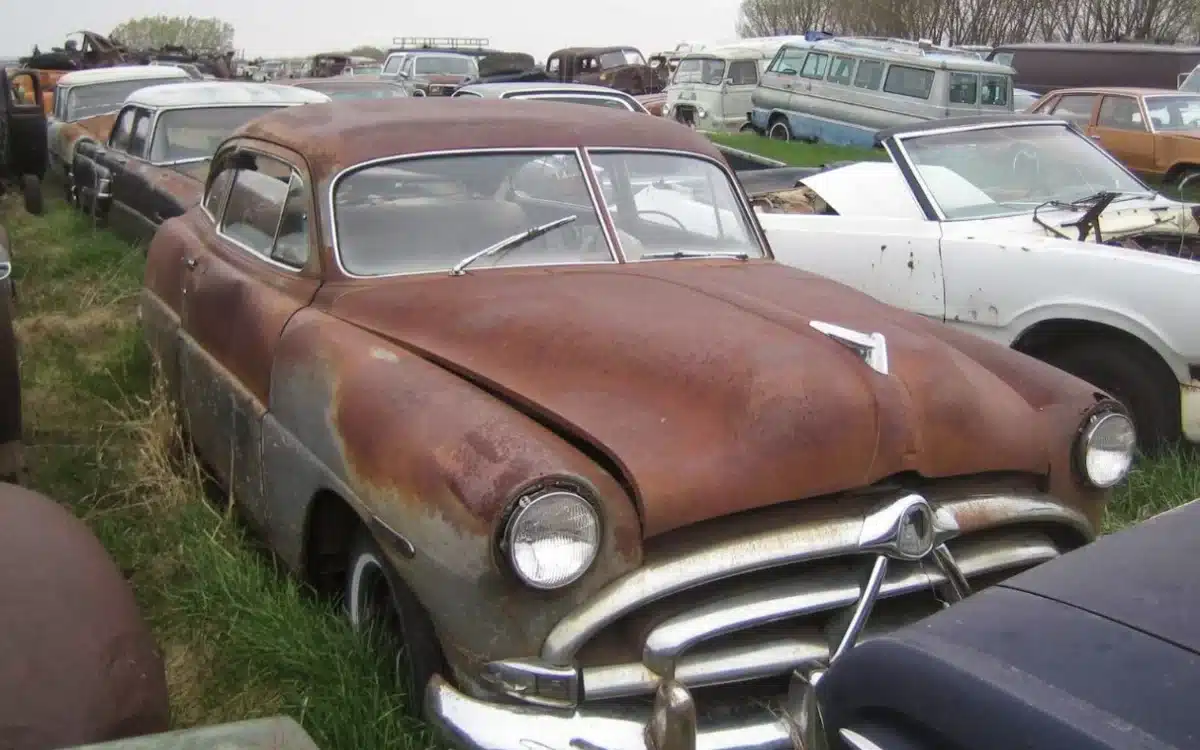


Rare Engines From The 1920s Discovered In A Junkyard In The United States, Revealing Historical Pieces That Shaped The Automotive Industry.
Among the vast landscapes of the American state of South Dakota, a 6-acre junkyard hides an automotive relic. The land, overgrown with vegetation, holds rare engines from the 1920s.
In an era dominated by electric vehicles, like the Tesla Model Y, the best-selling car of 2024, this junkyard offers a journey into the past, with cars that have survived for nearly a century.

How The Junkyard Is
The junkyard belongs to Oakleaf Old Cars, in the town of Hartford. The area houses thousands of vintage vehicles, from classics of the 1920s to striking sports cars from recent decades.
-
Rolls-Royce Turns Heads with 30-Inch Floating Wheels, 6.6-Liter V12 Engine, and 563 Horsepower

-
2019 Kia Sportage EX: A Spacious and Cost-Effective SUV with 2.0 Flex Engine and Panoramic Roof
-
Fiat Strada Becomes Top Seller in June, Surpassing Onix, Polo, Hilux, and T-Cross with 107 HP Engine and 732 km Range.

-
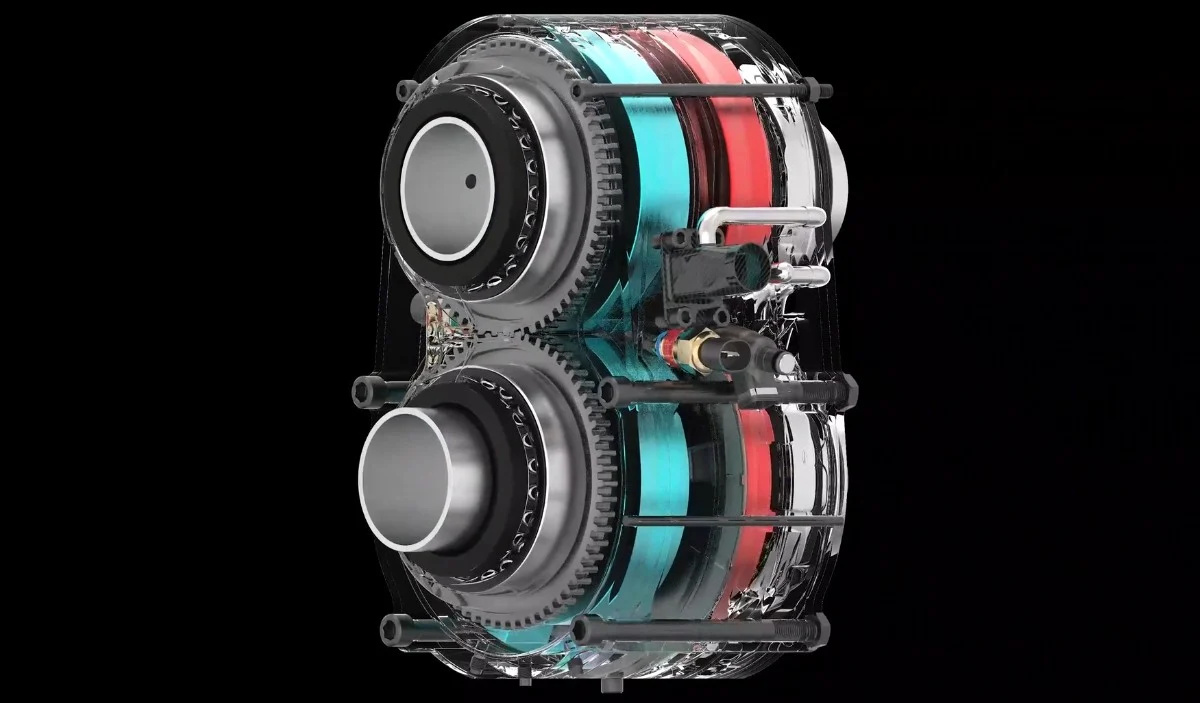
Suitcase-sized hydrogen engine spins at 25,000 rpm, nearly doubling the efficiency of conventional cars and replacing exhaust smoke with water vapor


The site attracts curious visitors, enthusiasts, and experts who see in the rusted carcasses not just scrap, but living pieces of American automotive history.
The history of the junkyard goes back to Donnas Oakleaf, a pioneer who installed the first car shredder in the state. For years, Donnas transformed thousands of vehicles into scrap aluminum.
However, some machines escaped. They were models he admired, carefully selected and kept. Donnas passed away in 1955, but his legacy remains. His children took over the junkyard and maintained the tradition of preserving vintage automobiles.

Engines From The 1920s
Among the highlights are engines from the 1920s, true rarities in the automotive scene. However, decades exposed to the South Dakota climate have taken their toll: many are unrecognizable, covered in rust and invaded by plants. Still, some models retain their original shapes and recapture the charm of times past.
One of these highlights is the 1940 Lincoln Zephyr, known for the slogan “New size, power, and beauty it brings to your field.” The Zephyr marked the transition to more aerodynamic and accessible cars, with its V12 engine and innovative design for the time. Today, even corroded, it holds its imposing presence in the junkyard.
Other finds amaze. A 1948 Buick, with its rounded lines, harks back to the golden age of the post-war era. The 1957 Cadillac Sedan DeVille, an icon of American luxury, rests among bushes growing around its body. Meanwhile, the 1958 DeSoto Firesweep, with its characteristic tail fins, is a portrait of the aesthetic obsession of the 1950s.

There are also sporty models. A 1964 Dodge Dart convertible and a Ford Mustang Mach 1, produced between 1971 and 1973, catch the eye even with the marks of time.
These cars, which once were symbols of power and freedom on American highways, now rest in silence under the open sky.

The preservation of this junkyard is, in a way, a tribute to automotive history. Each car tells a part of the industrial, cultural, and social evolution of the United States.
Even deteriorated, the vehicles of Oakleaf Old Cars continue to spark curiosity and admiration. Time may corrode them, but the history they represent remains alive in the memory of visitors who venture among their rusted rows.









Deberían de ser parte de un museo, claro, luego de arreglarlos y así ser parte de la evolución en el tiempo en la historia!!!
Foi-se o tempo, em que se faziam carros confortáveis, com bancos de molas, mais seguros e duráveis, que aguentavam trepidações e resistiam à ação do tempo.
Tá, a matéria é até interessante, mas quem foi o explorador,que encontrou tais carros?