Portuguese
  Spanish


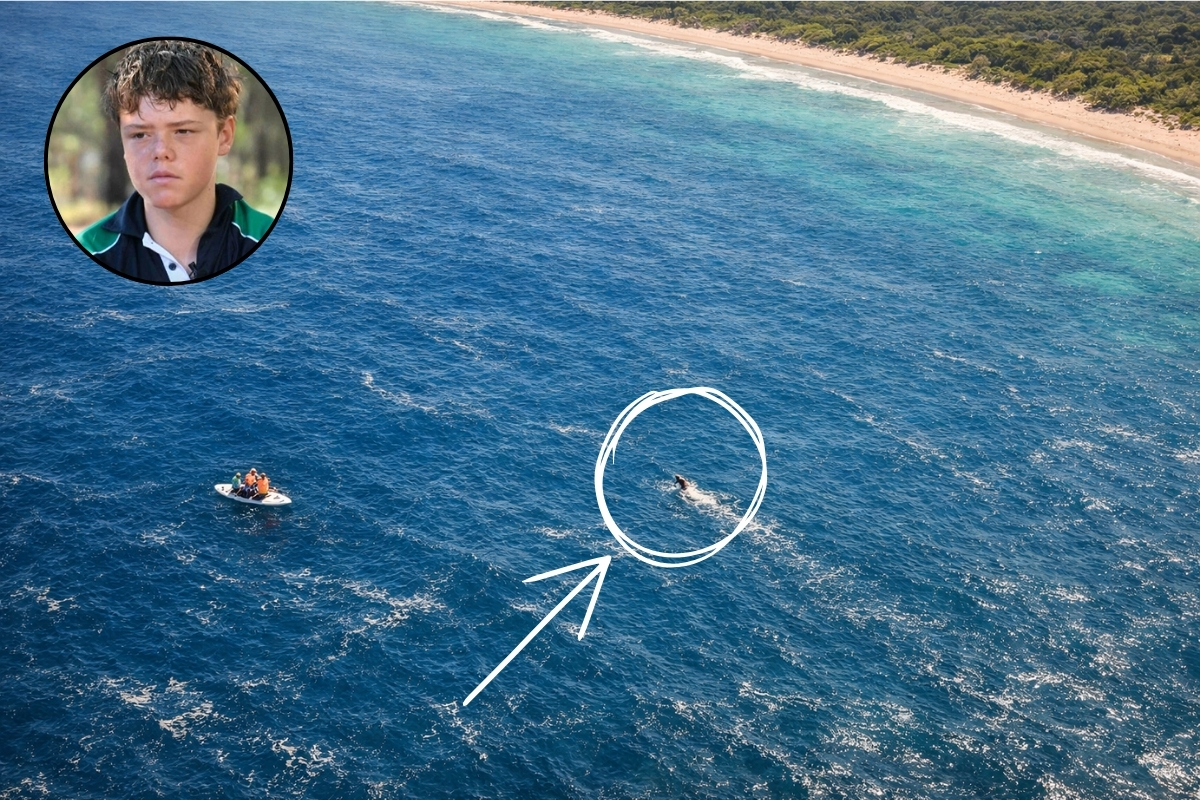


Teenager, 13 Years, Swam 4 Km in Quindalup, Triggered Air and Sea Rescue and Secured the Removal of His Mother and Two Siblings After 10 Hours at Sea
The morning of January 30, 2026 began as a summer outing and turned into a real alert from the sea. In Quindalup, in Geographe Bay, a family was pushed away from the shore by wind and current.
What held the outcome was a quick decision made under pressure. A 13-year-old boy left the waterboard, faced the waves, and raced against time to bring help.
Wind Changes the Game in Geographe Bay and the Family Loses Control
Joanne Appelbee, 47 years, entered the sea with Austin, 13, Beau, 12, and Grace, 8. The group was carrying an inflatable kayak and two paddleboards, planning to return in about an hour.
-
Brazilian Airport to Receive $2.8 Million Investment, Completion Expected Within a Year

-
UN Warns of AI’s Environmental Impact and Calls for Greater Corporate Transparency

-
Former Atacadão Employee Turns Online Cake-Baking Lessons into a Confectionery Brand with Factory, Store, Delivery, and Nearly $400,000 in Revenue
-
Brazilian Startup Sells Nearly 9 Million Surprise Bags of Near-Expiry Food, Prevents Thousands of Tons of Waste, Aiming for $42 Million Revenue by 2026




The scenario changed abruptly. The kayak capsized, began to fill with water, and the current started pulling everything out, as if the sea was closing off the return route.

The Toughest Order Sends Austin Toward the Coast
With the two youngest on a paddleboard, Joanne tried to tow the equipment and hold the position. The force of the sea was greater, and the distance increased by the minute.
The solution was to send the eldest son to seek help alone. Austin accepted immediately, sustained by the idea that every stroke could change the group’s fate.
4 Hours of Swimming, Life Jacket Abandoned and Total Focus on Survival
Austin tried to return using the inflatable kayak, but the boat was not performing and was heavy with water. He abandoned the kayak and started swimming, first with a life jacket.
After about 2 hours, he realized that the jacket was hindering his progress and continued without it. According to ABC News Australia, the national and digital public broadcaster, he alternated strokes and a survival swim for 4 km, in cold and choppy water.
The effort was mental and physical. To keep going, he repeated to himself that he needed to continue, held back by the image of his mother and siblings waiting in the sea.
Arrival on Land and 2 Km Run to Trigger Helicopters and Boats
When he reached the sand, he collapsed exhausted. Still, he gathered strength and ran 2 km down the beach to reach the family phone.
The emergency call was direct, requesting air and sea support. From that point on, the response became a coordinated operation, with a helicopter and boats sweeping the area like radar searching for the target.
Rescue at Dusk Finds Mother and Siblings 14 Km Offshore
While Austin fought toward the coast, Joanne, Beau, and Grace stayed together on a paddleboard, wearing life jackets and avoiding separation. The trio drifted for about 10 hours.
Around 8:30 PM, just after sunset, the helicopter located the three. They had been carried about 14 km offshore, and the rescue confirmed they were alive.
What remained was a harsh message about the open sea and its sudden changes. One step out of control turns into distance, and distance becomes a real risk in just a few hours.
The crossing of 4 km and the request for support in time changed the outcome. On the board of the South Pacific, an individual movement repositions the strategic reading of the coastline and pressures any sense of security.