






 Portuguese
  Spanish
  3 min of reading
  20 comments


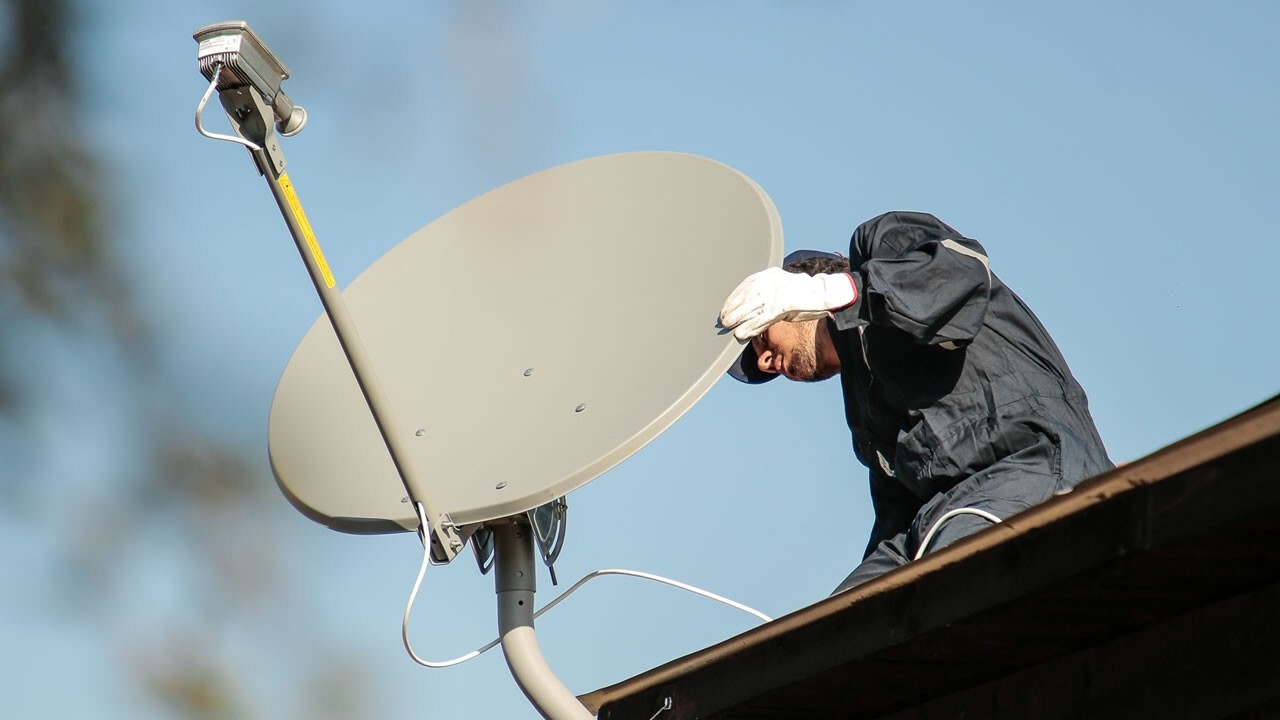


China Installs Its First Satellite Internet Base in Brazil with SpaceSail, Challenging Starlink and Promising to Revolutionize Connectivity Across South America
A new digital revolution is underway, and its epicenter may be Brazil. The Chinese company SpaceSail, based in Shanghai, has just begun operations in the country with the promise of delivering ultra-fast satellite internet to the most isolated corners of the national territory, directly challenging the empire of Elon Musk and his Starlink.
The arrival of the project marks the beginning of a billion-dollar competition in space for global connectivity leadership. According to experts, the competition between the United States and China in the orbital internet sector could completely redefine the way the world connects.
China Installs Its First Space Internet Base in Brazil
In an agreement signed with Telebras, Brazil’s state telecommunications company, SpaceSail begins to offer satellite communication and broadband services in areas without fiber optic infrastructure. The plan is ambitious: to launch 648 low Earth orbit (LEO) satellites this year and expand the constellation to 15,000 units by 2030, covering more than 30 countries, including much of South America.
-
Helicopter Drops 180 Tons of Sand and Gravel on Swedish River to Revive Ecosystem Damaged by Decades of Exploitation

-
Brazilian Company Launches Retro Smartphone with 48 MP Camera, T9 Keyboard, and Privacy Features for Social Media-Free Use

-
Self-Taught Chinese Farmer Builds 5-Ton Submarine from Scrap, Launches It in Anhui River
-
Invisible Induction Technology Enables Wireless Power for Blenders, Coffee Makers, and Air Fryers, Reducing Countertop Cables





The investment is enormous. In 2024, SpaceSail secured 6.7 billion yuan (approximately R$ 4.8 billion) in a funding round led by a Chinese state fund focused on strengthening space and industrial technologies.
According to Reuters, part of this funding will be allocated to the construction of control centers and ground antennas, and one of the first is already on Brazilian territory, solidifying the country as a launch and operation base for the Chinese network in the southern hemisphere.
A Worthy Rival to Starlink
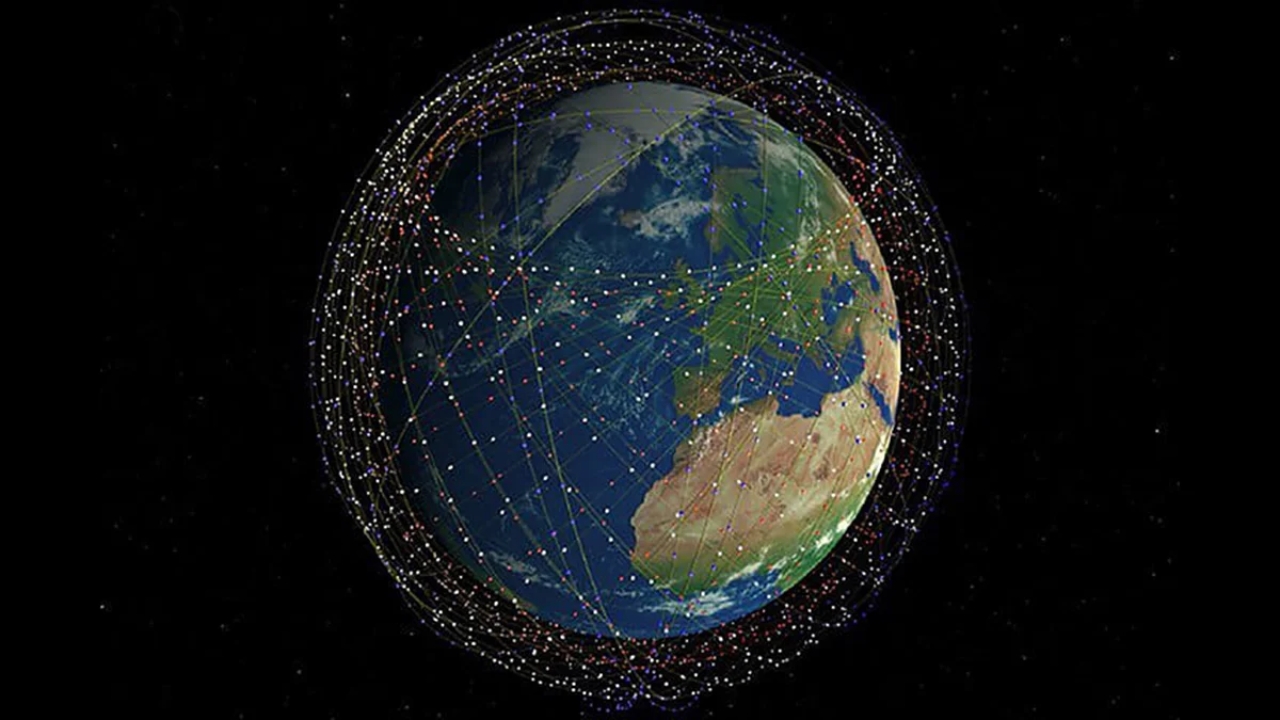
While Starlink currently operates around 7,000 LEO satellites and plans to reach 42,000 by the end of the decade, SpaceSail is following a similar path but with a strategic advantage: the direct support of the Chinese government.
The goal is to make China self-sufficient in space communications and reduce dependence on Western systems.
This race is not isolated. The country is also developing the Qianfan constellation, known as “Thousand Sails,” alongside three other parallel projects totaling more than 43,000 planned satellites.
The program is part of the national digital sovereignty project promoted by Beijing and has raised alerts among Western countries, who fear the expansion of the Chinese internet censorship model.
LEO Satellites: The Secret Behind Speed
SpaceSail uses low Earth orbit satellites, known as LEO (Low Earth Orbit), that operate between 500 and 2,000 km above the Earth, much closer to the planet than traditional satellites. This allows for higher connection speeds and lower latency, essential for live streaming, online gaming, and uninterrupted video calls.
This is the same technology used by Starlink, which currently leads the global rural and remote internet market. However, with the entry of the Chinese, the competitive landscape could change rapidly, bringing lower prices and expanded coverage in areas where the internet is still poor, such as in the Amazônia Legal, northeastern backlands, and mountainous regions of the Southeast.
Companies like OneWeb (with 630 satellites) and Amazon’s Project Kuiper (which anticipates 3,200 units) are also in the race, but they have not yet reached the scale and technological aggressiveness of the American and Chinese programs.
Brazil at the Center of a New Digital Space Race
With the installation of SpaceSail, Brazil positions itself as a pioneer in Chinese satellite internet outside of Asia. The expectation is that, in the coming years, the country will become a regional connectivity hub, exporting signals to Peru, Bolivia, and Paraguay, and strengthening Chinese presence in South American air and orbital space.
For millions of Brazilians living in areas without stable coverage, this competition could mean the end of the digital blackout. Experts see SpaceSail’s advancement as the beginning of a new era of accessible connectivity, capable of reducing inequalities and accelerating digital transformation across South America.
The battle is now for dominance of the sky, and Brazil has just become the main testing ground.





Qual será o custo mês
Estou só aguardando a chegada dessa concorrente para adquirir. Jamais vou ter produto de alguem que eu saiba ser adepto do nazismo.
A reportagem fala q a China financia a empresa, mais é notório os investimentos Americanos na Starlink e outras empresas de tecnologia para fins de controle de territórios.
O correto era o país adquirir tecnologia na área, mais os “patriotas” qdo tiveram no poder minaram as chances do país, vendendo nossas estatais para o capital internacional. O país sempre foi impedido de se desenvolver tecnologicamente! Como dizem: temos tudo aqui mais não conseguimos o desenvolvimento, está aí a resposta, sempre fomos impedidos!