Portuguese
  Spanish


Factory in Vinhedo Replaces Natural Gas with Renewable Fuel and Reinforces Commitment to Zero Emissions by 2030
The Unilever, in Vinhedo (SP), started in July 2025 the complete replacement of natural gas with biomethane.
This change guarantees an important step toward the goal of zero absolute Greenhouse Gas (GHG) emissions by 2030.
In partnership with Ultragaz, the annual supply of about 2 million m³ of biomethane prevents emissions of over 3 thousand tons of CO₂.
This initiative strengthens the energy transition of the national industry.
Biomethane Ensures Cleaner Operation
The decomposition of organic waste in landfills like the one in Caieiras, in Greater São Paulo, generates biomethane, as provided for in the signed agreement.
This production avoids the improper disposal of methane.
This gas is up to 80 times more harmful than CO₂.
The solution also reduces the environmental impacts of landfills.
The factory generates all the thermal energy necessary for the boiler with zero carbon emissions.
The partnership highlights the alignment of Unilever‘s global environmental goals.
The company is expanding decarbonization to other units in Brazil.
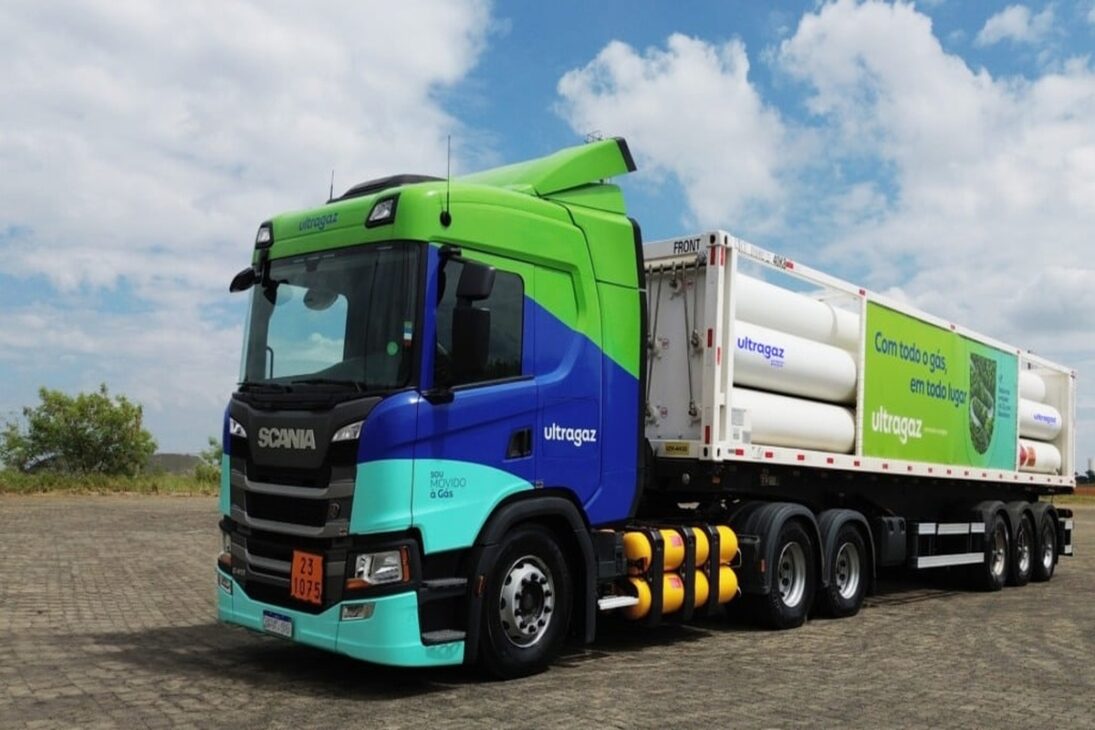
Trucks powered by biomethane transport the fuel to Vinhedo.
This eliminates the use of pipelines or diesel vehicles.
The entire process becomes more sustainable and efficient.
-
Green Roofs on Homes Gain Popularity for Reducing Heat, Noise, and Rain Impact in Brazil

-
Brazilian promises his children to save a river, creates an eco-barrier in his backyard, has already removed more than 40 tons of trash from the water, and even inspires the idea in other states of the country.

-
How a Brazilian company created a system that transforms broken pallets of any brand into new assets, recycles 80 tons of plastic per month, and found a profitable solution to a problem that challenges industries across the country.
-
Invasive bullfrog capable of devouring other amphibians and laying up to 20,000 eggs is found in Florianópolis, raising an alert about the threat to native fauna.


Other Units Strengthen Commitment
In 2023, Unilever’s largest food factory in Latin America, in Pouso Alegre (MG), became a reference by using a biodigester.
The equipment transforms production process waste into biogas.
All energy demand of the unit, which produces Hellmann’s mayonnaise, is supplied with renewable source.
In Indaiatuba (SP), since last year, the largest laundry detergent factory in the world is also investing in clean generation.
The unit uses certified eucalyptus in its own biomass plant.
This operation provides for lines such as Omo and Surf.
Together, these factories avoid the emission of more than 40 thousand tons of CO₂ per year.
This volume is equivalent to 72 thousand trips by car between Rio de Janeiro and São Paulo.
Efficient Logistics Reduces Environmental Impact
Another point highlighted by Fabio Rodrigues is the interchangeability of biomethane with natural gas.
This feature makes renewable fuel a strategic option.
It does not require drastic changes in the industrial structure.
Supply is facilitated by Ultragaz, responsible for the project and installation of the receiving center.
All transportation occurs with vehicles that use biomethane.
This reduces indirect emissions during distribution.
In addition to providing clean energy, biomethane helps mitigate environmental impacts of landfills.
The decomposition of waste produces methane.
This gas is captured and converted into fuel with 90% purity.
The process includes the removal of carbon dioxide.
Each cubic meter used in the factory in Vinhedo represents another step toward carbon-neutral processes.
The plant produces lines such as Dove, Comfort, and Omo Liquid Laundry Detergent.
Brazilian Industry Advances in Energy Transition
With the initiative in Vinhedo, therefore, Unilever reinforces its global commitment, furthermore, it takes concrete actions to address climate change.
The partnership with Ultragaz contributes to the decarbonization of factories and, therefore, supports the sustainability goal.
Thus, it also helps diversify the national energy matrix, in addition to encouraging new investments in the sector, strengthening the collective goal of zero emissions by 2030.