






 Portuguese
  Spanish


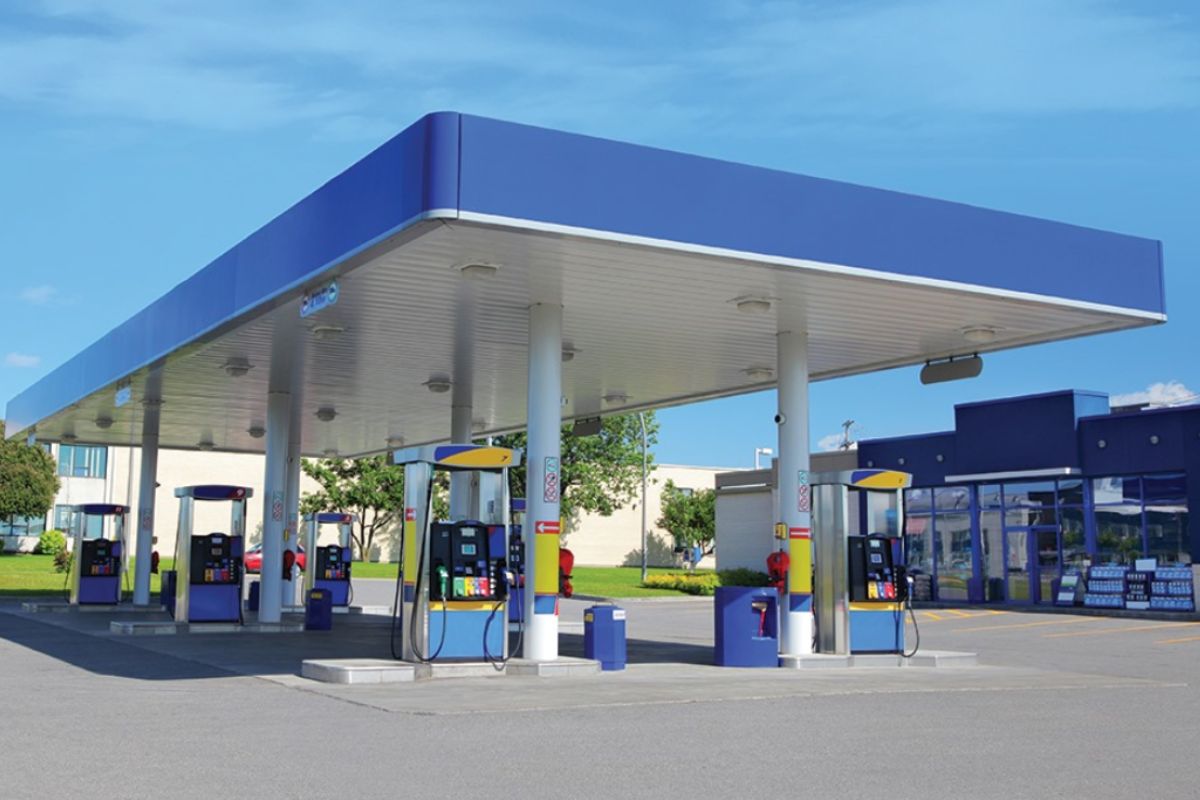

The Search for Savings at the Pump Leads Many Drivers to White Flag Gas Stations. But What Might Be Hidden Behind Apparently Lower Prices? Understand the Risks of Adulteration and the Damages That Can Cost You Dearly.
When filling up the tank, the temptation to choose white flag gasoline, often with more attractive prices, is understandable for the Brazilian consumer. However, this apparent savings may hide a significant and real danger to your car’s engine. The questionable quality and, mainly, the adulteration of fuel are growing concerns that can lead to considerable mechanical and financial losses.
This investigative article dives deep into the risks associated with white flag gas stations and others. We will explain how adulterated fuel can silently compromise vital components of the vehicle and guide you, the consumer, on how to protect yourself from fraud that turns cheap into a much larger expense.
White Flag Gas Stations: What Are They and How Do They Differ in the Market?
White flag gas stations are those that do not display the commercial brand of a specific distributor, which allows them the freedom to purchase fuel from different suppliers authorized by the National Agency of Petroleum, Natural Gas and Biofuels (ANP). This flexibility can result in more competitive prices.
-
Rolls-Royce Turns Heads with 30-Inch Floating Wheels, 6.6-Liter V12 Engine, and 563 Horsepower

-
2019 Kia Sportage EX: A Spacious and Cost-Effective SUV with 2.0 Flex Engine and Panoramic Roof
-
Fiat Strada Becomes Top Seller in June, Surpassing Onix, Polo, Hilux, and T-Cross with 107 HP Engine and 732 km Range.

-
Suitcase-sized hydrogen engine spins at 25,000 rpm, nearly doubling the efficiency of conventional cars and replacing exhaust smoke with water vapor


The main difference from branded stations is the absence of an exclusivity contract. The ANP requires that all stations clearly indicate on the pump the origin of the fuel sold, including CNPJ and name of the distributor. With the end of the “brand protection,” even branded stations can have “white pumps” selling fuel from other suppliers, requiring increased attention from consumers.
The Hidden Danger of Adulteration in White Flag Gasoline (and Others)
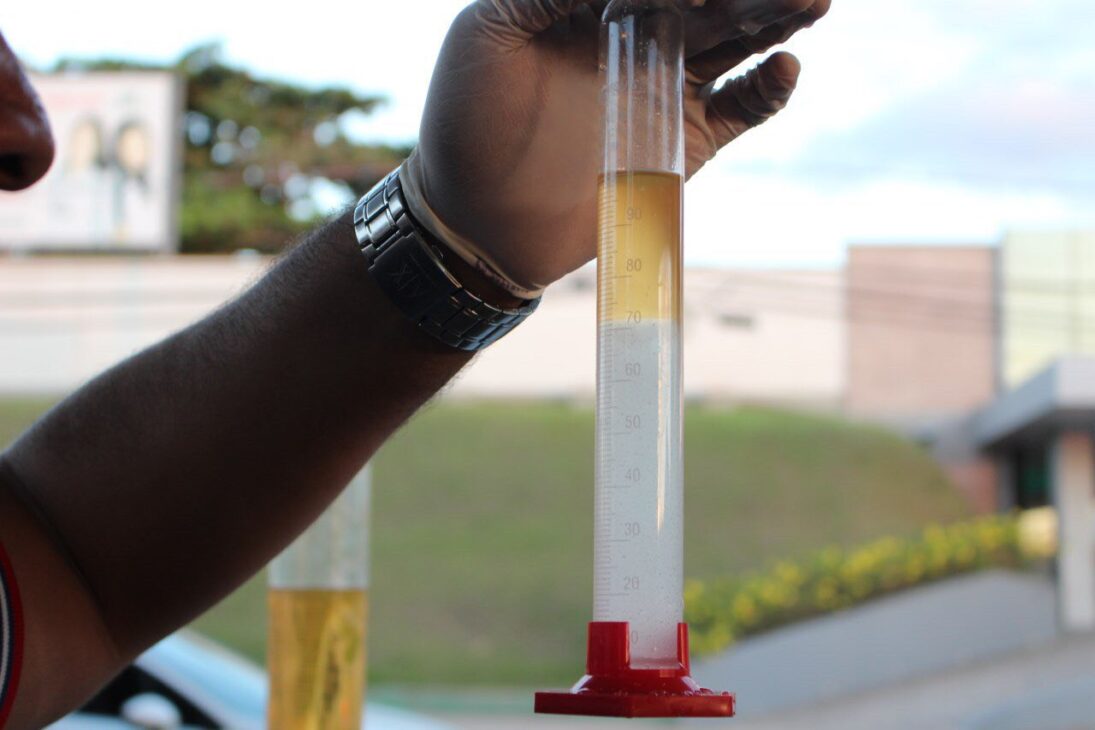
The adulteration of gasoline is a criminal practice aimed at increasing illicit profits. The most common forms include excess anhydrous ethanol, the addition of industrial solvents, water, methanol, or other unspecified hydrocarbons. These substances alter the properties of the fuel and are extremely harmful.
The impacts extend beyond mechanical damage, contributing to increased air pollution and public health risks. While white flag gasoline is not inherently of poor quality, the lesser attachment to a major distributor’s standard may, in unscrupulous establishments, facilitate the sale of adulterated products if the priority is only the low acquisition price.
How Adulterated Gasoline, Including That from White Flag Stations, Silently Destroys Your Vehicle
The use of adulterated gasoline causes progressive damage to the engine. Symptoms such as loss of power, increased consumption, difficulty starting, misfiring, irregular idling, and the check engine light on the dashboard are warning signs.
Vital components such as fuel injectors, fuel pump, catalytic converter, lambda sensor, spark plugs, pistons, and valves can be severely damaged. Contamination of the lubricating oil and internal carbonization of the engine are also common consequences. Recognizing these signs is crucial to prevent the use of poor quality white flag gasoline from leading to costly repairs.
Regulation and Quality Control of Fuels
The ANP is responsible for regulating and overseeing the quality of fuels. The agency establishes technical specifications and conducts inspections, being able to impose severe fines and even revoke the authorization of irregular stations. Traceability of fuel is a challenge, but identifying the distributor on the pump is mandatory.
The responsibility for quality is shared: the distributor must provide fuel within specifications, and the retail station must analyze it upon receipt and ensure its quality to the final consumer. The honesty of the station owner, whether white flag or not, is a determining factor.
How to Protect Yourself from Doubtful White Flag Gasoline and Assert Your Legal Rights


To protect yourself, consumers must be vigilant. Be wary of prices significantly below average, observe the appearance and smell of the fuel, and check the supplier’s identification on the pump. Always request the invoice, which is essential for any complaint.
You have the right to request a hydrometer test at the station to verify the quality of the gasoline. In case of suspicion or damage, document everything (invoices, technical report from the workshop), try to resolve it with the station, and if necessary, report to the ANP and Procon. Remember: when choosing where to refuel, do not prioritize only the price of white flag gasoline, but the trust in the establishment.









Engraçado fazendo comentário de postos bandeira branca, como se os postos de bandeira não adulterasse combustíveis.
Entendo que o problema não e a bandeira e sim donos de postos.
Sim..são postos do PCC..aprovados pelo governo..STf…
I was recommended this website by my cousin I am not sure whether this post is written by him as nobody else know such detailed about my trouble You are amazing Thanks