






 Portuguese
  Spanish
  3 min of reading
  0 comments



Imagine being able to understand how artificial intelligence is shaping our society, from linguistic nuances to ethical implications. The University of São Paulo (USP), through its Department of Computing and Mathematics (DCM) at the Faculty of Philosophy, Sciences and Letters of Ribeirão Preto (FFCLRP), offers a free course that explores exactly these topics. This course is a unique opportunity to dive into the fascinating world of AI and its intersections with mathematics, law, and language.
USP has opened registrations for a free course on artificial intelligence (AI), ethics, and information, aimed at undergraduate students in Law, Computing, and Mathematics.
The course is in-person and will take place on the Ribeirão Preto campus, in Room 500 (DCM Auditorium), always on a Thursday each month, from 10 am to 12 pm, between August 22 and November 21, 2024. Registrations must be completed online by July 29.
Professor Dionéia Motta Monte-Serrat, a postdoctoral researcher at DCM, is responsible for teaching the course. With extensive experience in the field, she promises to address crucial and contemporary topics, such as the characteristics of the linguistic-cognitive structure, the definition of artificial intelligence and its applications, and the impact of AI technologies on law and ethics.
-
Foresea completes Offshore Development Program with 34 trainees hired, partnership with Firjan SENAI, and technical training for offshore drilling.

-
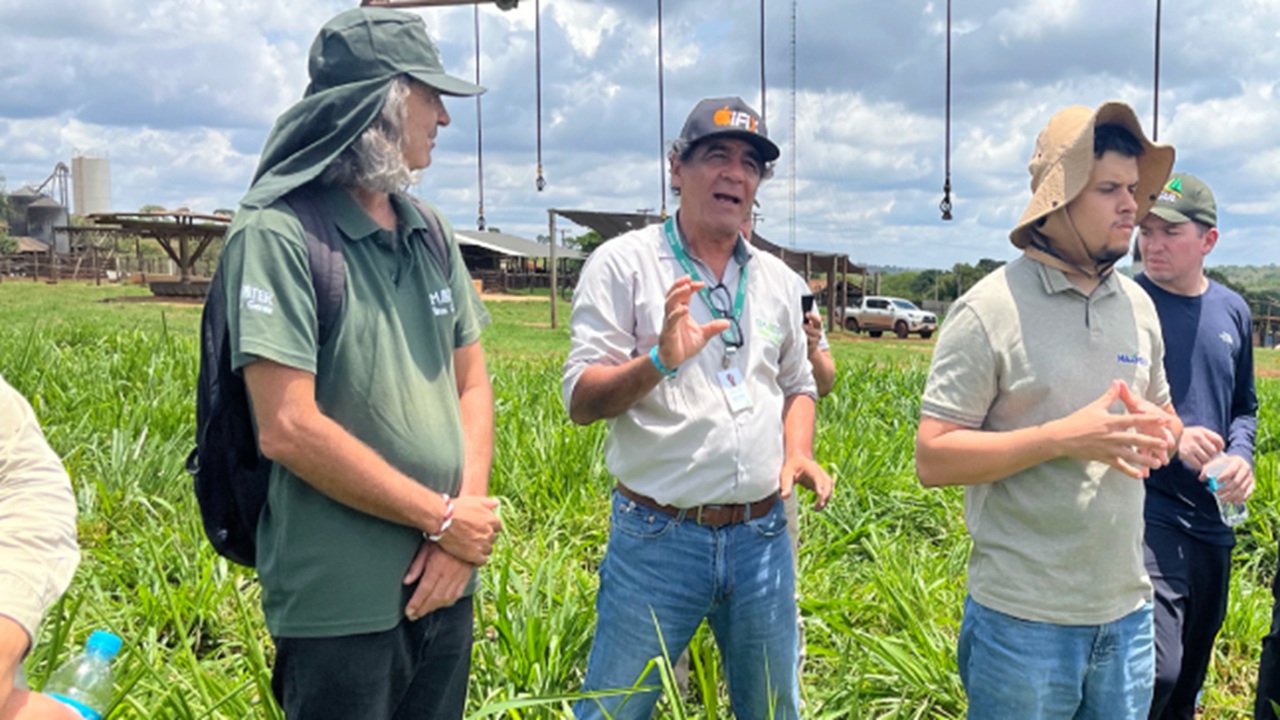
Free regenerative agriculture course open for registration until July 3, promising to prepare producers in Minas to reduce costs, restore soil, and tackle drought.

-
Federal Institute offers a new opportunity for free qualification for those who have completed high school: there are 30 open spots in free technical courses in Quality and Occupational Safety at IFSULDEMINAS.
-
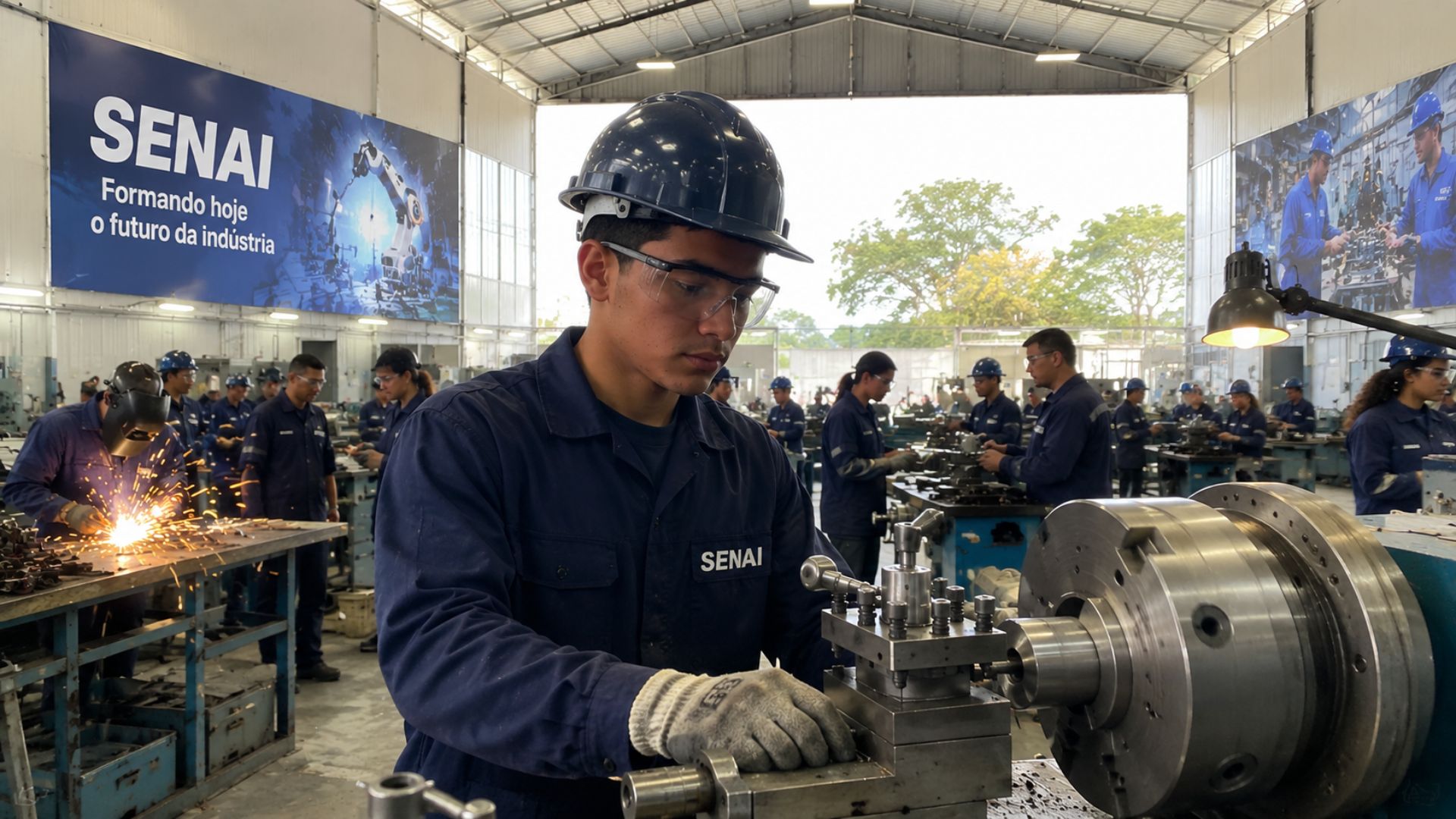
Senai opens 6,000 spots in free technical courses, offers assistance of up to R$ 800 per month, and reveals which industrial professions are among those most in need of qualified workers in the country.



According to the professor, the course is not just an introduction to the topic, but also a space to discuss complex and controversial issues related to technological advancement and its social implications.
Course Schedule:
August 22 – Characteristics of the Linguistic-Cognitive Structure: Understand how language and cognition interrelate, forming the basis for the understanding of AI systems.
- September 19 – What is Artificial Intelligence: A detailed approach to what constitutes artificial intelligence, its capabilities and limitations.
- October 24 – What is Information: Truth and Value versus the Discursive Layer of Language: An exploration of how information is processed and interpreted, focusing on the difference between truth and value.
- November 21 – Law and Artificial Intelligence under Sustainable Ethics: Discussion on the legal and ethical implications of AI, focusing on how current legislations adapt or fail to keep up with rapid technological development.
As disclosed by USP, the course aims to provide a deep and critical understanding of artificial intelligence technologies, addressing their theoretical and practical bases, as well as their ethical implications.
The initiative is particularly relevant at a time when AI is increasingly present in our lives, influencing everything from communication to legal decisions.
Furthermore, the course offers a platform for debates and reflections on how AI can be developed and used in an ethical and responsible manner.
According to Professor Monte-Serrat, “it is essential that future professionals in law, computing, and mathematics understand the complexities and responsibilities associated with the use of AI, especially in terms of ethics and human rights”.
To enroll, interested individuals must access USP’s website and complete the online registration form by July 29. Spots are limited, so it is recommended that interested individuals register as soon as possible to secure their participation.
Do you think artificial intelligence can be developed ethically and sustainably? What are the biggest challenges you see in this field?









Be the first to react!