






 Portuguese
  Spanish
  3 min of reading
  0 comments



Central Bank Adopts New Stricter Rules for PIX: Security Measures That May Displease Some Users
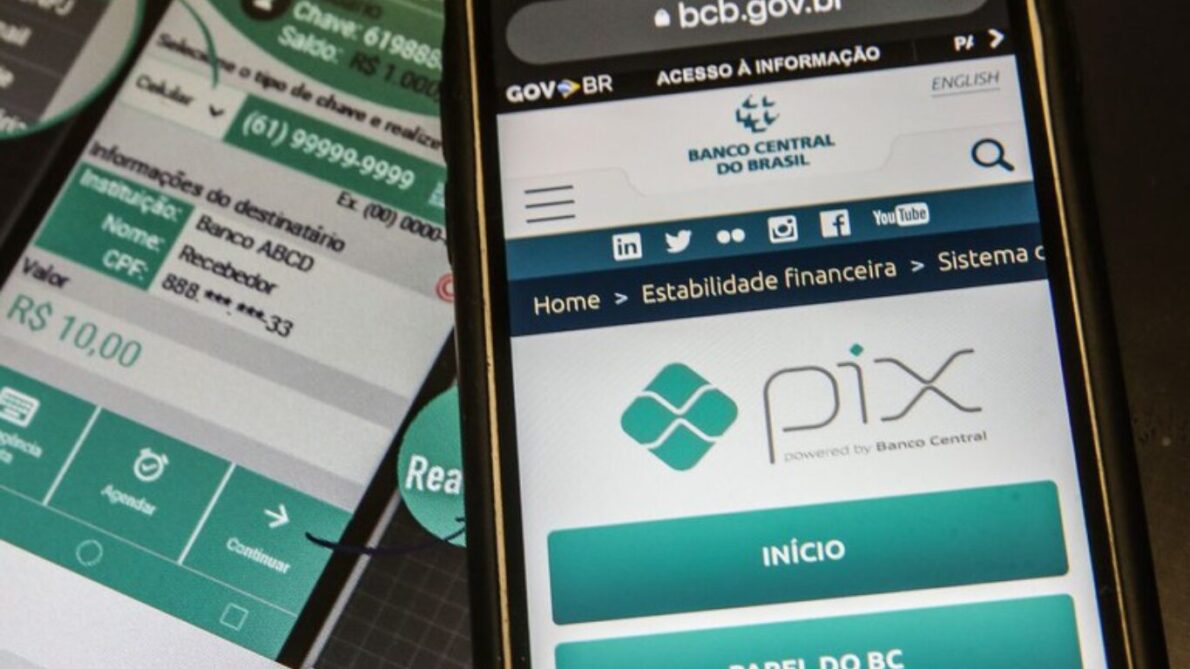
The Central Bank announced new guidelines for the instant payment system PIX, which will come into effect on November 1, 2024. This update aims to enhance the security of transactions and protect users against fraud, responding to a growing need for greater protection in the digital environment, according to the website fdr.
New Features and Security Measures
The main change affects the use of PIX on mobile devices and computers that have not yet been registered with the bank. Under the new rule, transactions made from unregistered devices will have a maximum limit of R$ 200 per operation. Additionally, if you change your phone, the total value of transactions made on the first day will be limited to R$ 1,000. These measures aim to hinder criminal actions, making it more difficult for fraudsters to make payments from devices not belonging to legitimate users.
Objectives of the New Rules
Strengthening Security: The Central Bank seeks to increase the security of PIX transactions and protect users from fraud. With these new rules, a significant reduction in the ability of fraudsters to carry out fraudulent transactions is expected.
-
Coal mine purchased for $2 million in Wyoming, the Brook Mine holds rare earth elements and critical minerals estimated at up to $37 billion, in an asset that the US is competing for with China.

-
In the year Brazil won the World Cup, gasoline cost R$ 1.77, the cheapest car was worth R$ 13,000, there were no flex-fuel cars, SUVs were rare, and no Chinese brand sold a single vehicle in the country.
-
Neighboring Balneário Camboriú will receive a R$ 1 billion airport with 225 hangars, an area of 2.2 million m², a technology park, and an export zone that promises to transform the economy and generate thousands of jobs.
-
After investing R$ 5,000 in fried chicken in his backyard, a Brazilian transformed two fryers and a freezer into a network with 115 sales points, presence in up to 17 states, and revenue exceeding R$ 115 million per year.



Fraud Intelligence: Financial institutions will be required to implement more advanced tools to identify and monitor suspicious transactions. This includes the use of information shared by the Central Bank to detect patterns and anomalous behaviors.
New Requirements for Banks
Customer Education: Banks will have to provide educational materials for their customers, with guidance on how to protect themselves against fraud. This step is crucial to ensure that users are aware of the best practices to keep their information secure.
Continuous Monitoring: Financial institutions will also need to regularly check if customers have any fraud alerts registered with the Central Bank. This will help ensure that accounts are protected and that any signs of suspicious activities are identified quickly.
What Does This Mean for Users?
The main change for users will be the need for extra care with their devices. The recommendation is to avoid making payments from unregistered devices to ensure that their transactions are secure and not targeted by fraudsters. Stay alert to the new rules and make good use of the tools offered by banks to protect against potential threats.
The new guidelines from the Central Bank are a direct response to the growing concern over digital security and aim to create a safer environment for all PIX users. With these changes, the instant payment system becomes even more robust against fraud and abuse, providing greater peace of mind for its users.


Be the first to react!