Portuguese
  Spanish


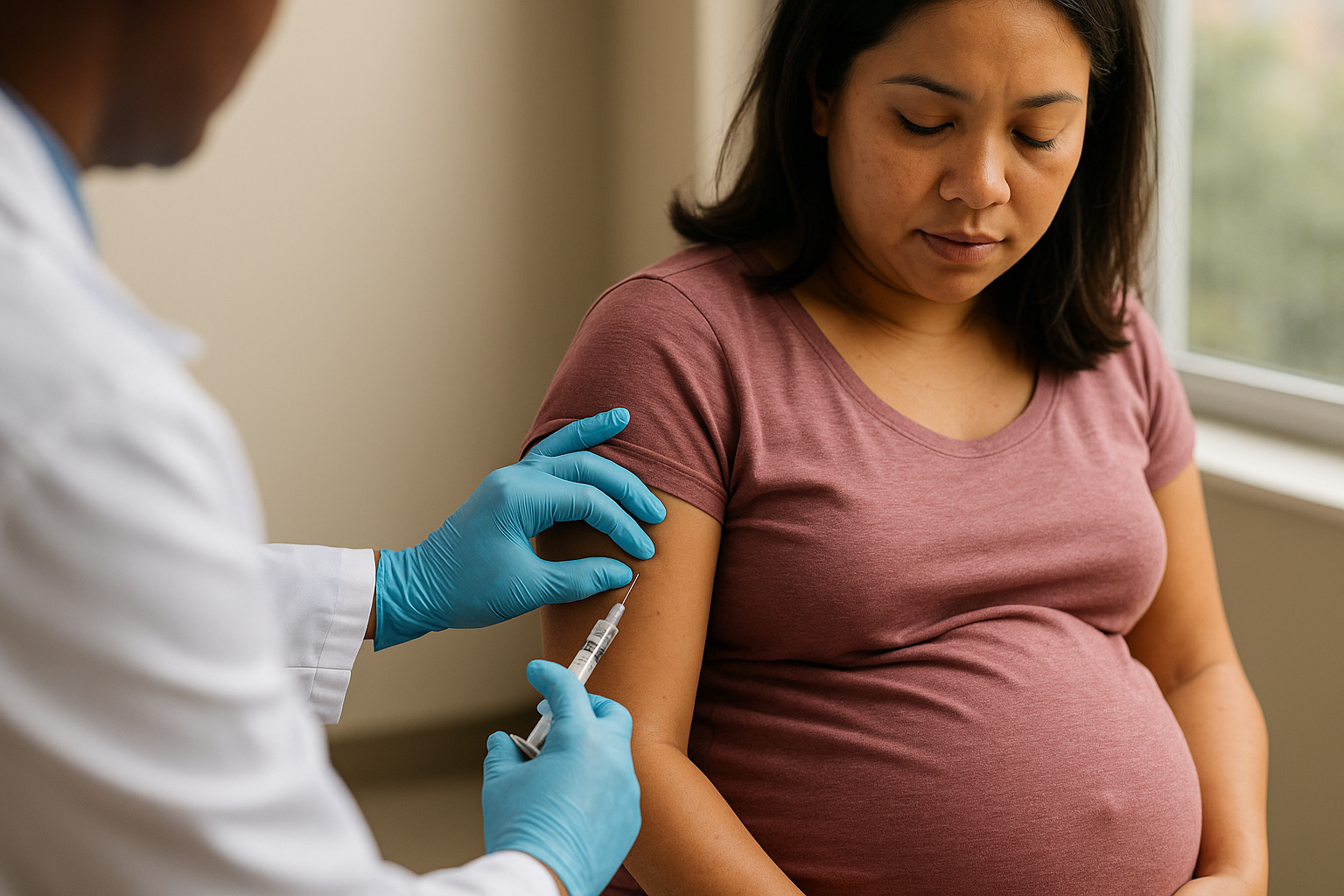


Immunization in Pregnant Women Beginning at 28 Weeks Aims to Reduce Bronchiolitis and Severe Cases of SRAG Among Newborns Across the Country
Brazil began, in November 2025, a broad national mobilization to administer the new vaccine against respiratory syncytial virus (RSV), as announced by the Ministry of Health. Additionally, the government stated that 1.8 million doses have already been acquired and distributed to the states, with an investment of R$ 1.17 billion to combat bronchiolitis in babies. The start of administration was scheduled for December 2025, exclusively for pregnant women from the 28th week, ensuring initial protection for babies still in the womb.
National Vaccination Strategy to Reduce Bronchiolitis in Newborns
The strategy was organized to reach 80% of the target audience, according to the Ministry of Health, and therefore, protect babies even before birth. Moreover, the ministry emphasized that the immunization of pregnant women contributes to a significant reduction in hospitalizations due to bronchiolitis, especially during periods of higher viral circulation. Thus, prenatal vaccination has become a priority, as it allows newborns to face RSV in their first months of life with greater security.
SRAG Scenario Caused by RSV in Brazil in 2025
On November 15, 2025, official data indicated 43.1 thousand cases of Severe Acute Respiratory Syndrome (SARS) related to RSV. Furthermore, the Ministry of Health highlighted that more than 82% of the occurrences occurred in children up to two years, which reinforced the urgency of vaccination. Thus, the initiative was built to reduce severe complications, hospitalizations, and hospital overload in pediatric units across the country, always in a coordinated manner as planned by the Ministry.
-
Steel Sphere Cylinder Achieves 14% Damping in Tests, Functions Without Sensors or Electricity, and Can Reduce Vibrations in Skyscrapers, Bridges, and Sensitive Equipment with US Patent Registered

-
Artist’s 15-Meter Lighthouse in the Mojave Desert, 160 km from the Sea, Intrigues Visitors with 19 km Range After Years of Bureaucracy

-
Bluetti AC70 Solar-Powered Station: Powers Fridge and Wi-Fi During Blackouts, Delivers 1,000W, 3,000 Charge Cycles, Priced at $900
-
Enormous Black Hole Phoenix A* Challenges Scientific Understanding with Mass of 100 Billion Suns, Surpassing Famous TON 618 in One of the Largest Known Galaxy Clusters


Brazilian Production and Technology Transfer Agreement
The acquisition of the vaccine was ensured through a technology transfer agreement between the Butantan Institute and an international laboratory, as informed by the federal government. Thus, the country expanded its future production capacity of the immunizer. Furthermore, the Ministry reported that there is a forecast for the purchase of 4.2 million additional doses by 2027, always with the aim of ensuring continuous supply and expanded coverage in the coming years.
Direct Impact of Immunization on the Brazilian Health System
The Ministry of Health highlighted that vaccination during pregnancy tends to strengthen the protection of babies against severe forms of bronchiolitis. Therefore, the measure alleviates the health system by reducing hospitalizations and frequent respiratory complications during the neonatal period. Nevertheless, authorities stressed that the results depend on national adherence and maintaining coverage above the officially established targets.
Technical Understanding of Authorities on the Decision for Prenatal Vaccination
Experts explained that prenatal vaccination follows international protocols. The strategy ensures the transfer of antibodies before birth. This transfer protects babies in the first months of life. The Ministry emphasized that the measure reduces seasonal bronchiolitis outbreaks. This policy reinforces prevention and improves the care response.
Change in Approach to the Prevention of Respiratory Diseases in Babies
With the combination of national distribution, focus on pregnant women, and expanded coverage targets, the new vaccine transforms the way the country confronts RSV. Thus, Brazil adopts a proactive preventive approach, always based on official data and aligned with experts’ recommendations. According to the Ministry of Health, this strategy marks an important change, as it protects babies from intrauterine life and significantly reduces respiratory risks in the first weeks of life.