Portuguese
  Spanish


7.2 Km Section Will Be Duplicated by November 2026 with Investments of R$ 9.4 Million. The Federal Government’s Project Promises to Alleviate Congestion, Reduce Accidents, and Boost Local Trade — the Start of a Larger Restructuring of the Corridor.
Imagine a highway so congested that during rush hour, it looks more like an open-air parking lot than a functioning road. This is the routine on BR-324, the main link between Salvador and the interior of Bahia. With thousands of vehicles — from cars to trucks and buses — it has become synonymous with slow traffic, potholes, and accidents. Now, the federal government is taking a historic step: the duplication of the urban section in Feira de Santana is finally getting off the ground.
Why was this section chosen?
The 7.2 km segment between QUM 512.50 and QUM 519.70, within the urban area of Feira, was prioritized for several reasons:
-
Rolls-Royce Turns Heads with 30-Inch Floating Wheels, 6.6-Liter V12 Engine, and 563 Horsepower

-
2019 Kia Sportage EX: A Spacious and Cost-Effective SUV with 2.0 Flex Engine and Panoramic Roof
-
Fiat Strada Becomes Top Seller in June, Surpassing Onix, Polo, Hilux, and T-Cross with 107 HP Engine and 732 km Range.

-
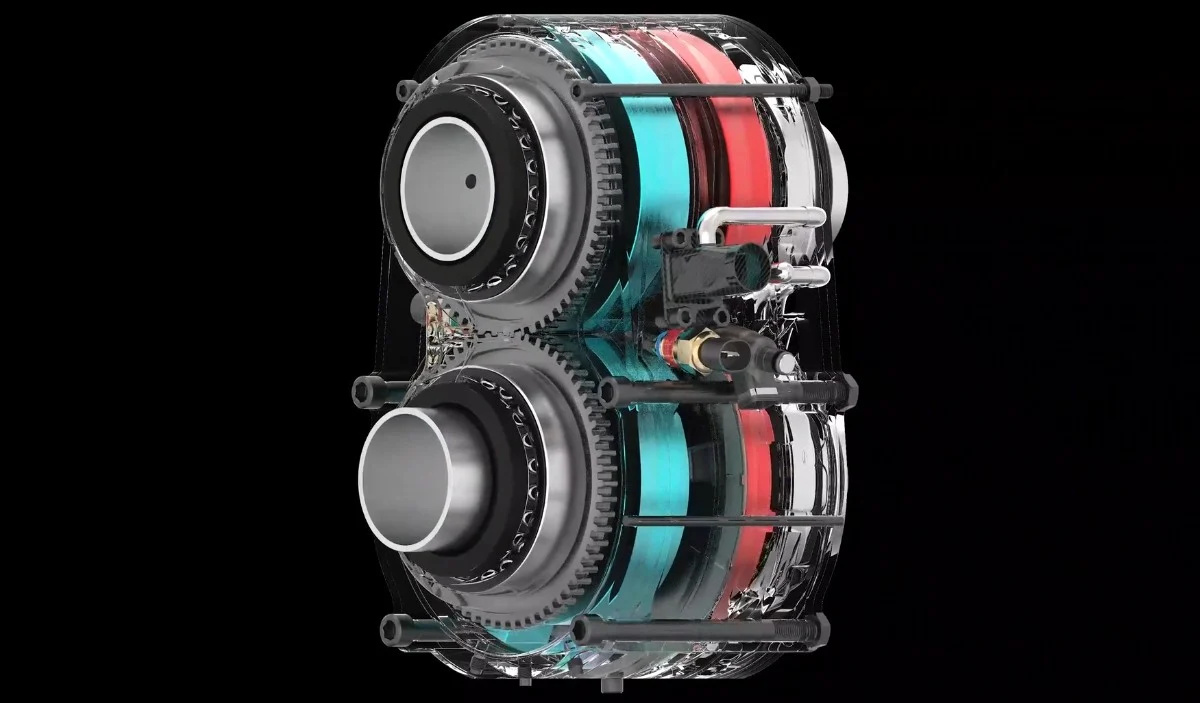
Suitcase-sized hydrogen engine spins at 25,000 rpm, nearly doubling the efficiency of conventional cars and replacing exhaust smoke with water vapor


- Gateway in and out of the hinterland, connecting Salvador and other states in the Northeast;
- Passing point for trucks carrying fruits, rural producers, students, and workers;
- Daily congestion, especially during peak hours;
- High risk of accidents: rear-end collisions, pedestrian accidents, and frequent fatalities.
Local data indicate that a six-hour trip — for example, from Juazeiro to Salvador — has the section in Feira consuming precious hours, leading to cargo delays, higher freight costs, and economic impact.
How Will the Project Be Divided?
CSS Construtora SA won the bid in May 2025, and the contract calls for completion by November 2026, with three executive phases:
1. Mobilization and Preparation of the Site
- Survey, expropriations, and site structuring.
2. Duplication Execution
- Lanes Expansion: new lane in each direction;
- Special pavement to endure heavy traffic;
- Traffic devices: turnarounds, controlled access, drainage, and barriers;
- Complete signage (signs and reflective paint).
3. Finishing, Testing, and Delivery
- Technical tests, evaluation of safety devices, final clearance for traffic.
Expected Impacts
| Benefit | Expected Result |
| Traffic Flow | Reduction in congestion |
| Safety | Lower risk of collisions and pedestrian accidents |
| Time and Cost Savings | Fewer lost hours, more efficient freight |
| Job Creation | Hiring hundreds of workers |
| Quality of Life | Improvement in mobility for students and ambulances |
For the 600,000 residents of Feira de Santana, the duplication means more than just less traffic. Ambulances and emergency services will circulate faster; local trade — especially wholesalers — will benefit from quicker deliveries; and rural producers will have cheaper and more timely freight.
What About the Rest of BR-324 and BR-16?
The Ministry of Transport’s package includes R$ 500 million for improvements on various stretches of BR-324 and BR-16 in Bahia. In addition to Feira, stretches between Simões Filho–Amélia Rodrigues and Feira–Técnico Grosso are planned soon — the duplication could be just the beginning of a modern logistics corridor.
What Needs to Happen?
Despite the excitement, the population asks: will the project really be completed? Lack of funding, bureaucracy, and obstacles have already halted similar projects in the past. The key will be political pressure, oversight, and community involvement to maintain the project’s pace and ensure delivery.
Which highway in Brazil do you think deserves duplication?