





 Portuguese
  English
  Spanish
  4 min of reading
  0 comments


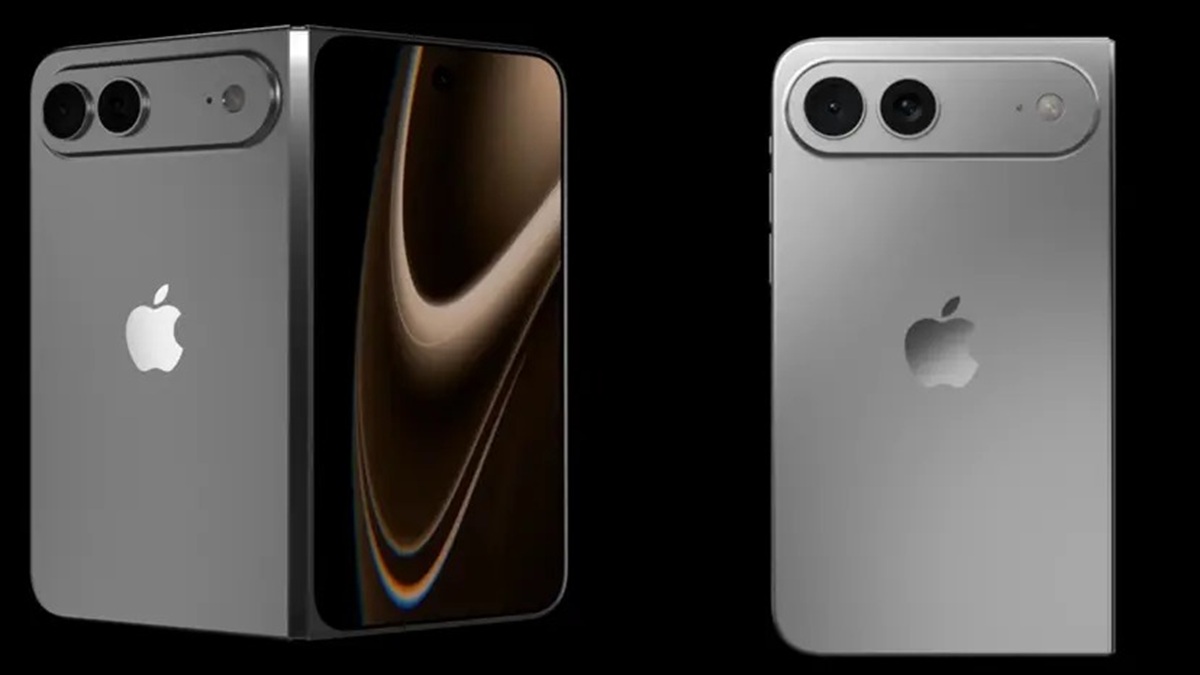
The Leak Released on Christmas Eve Details the Alleged Apple Foldable iPhone, with 5.5 and 7.8-Inch Screens, 9 mm Thickness, Possible Absence of Crease, Touch ID on the Side Button, and Estimated Launch for 2026
Leaks released on Christmas Eve indicate that Apple is preparing a foldable iPhone, expected to launch in Fall 2026, with 5.5 and 7.8-inch screens, 9 mm thickness, and an estimated price of up to US$ 2,500.
Leak Exposes Unannounced Hardware
The new leak emerged after the publication of a video by YouTuber Jon Prosser, who claims to have access to complete renderings of Apple’s first foldable iPhone.
According to Prosser, the device would be launched alongside the iPhone 18 Pro line, marking the most radical redesign of the iPhone in over a decade.
-
Lunar meteorite found in the desert bears marks of 3 impacts and reveals a colossal asteroid collision that melted part of the Moon 3.5 billion years ago, at the same time life was beginning to emerge on Earth.

-
A giant parrot that doesn’t fly, weighs up to 4 kg, and smells like honey almost disappeared from the planet, but an extreme program in New Zealand used predator-free islands, genetics, fake eggs, and a controlled diet to save the kakapo from extinction.

-
Flush system promises to save up to 50% of water in the bathroom by replacing traditional parts with a simple tilting tank, without a button, without a seal in the drain, and with an adjustment from 1 to 6 liters per use.
-
Archaeologists descend a forgotten staircase in Aswan, Egypt, and find a huge limestone sarcophagus beneath the Aga Khan necropolis, with hieroglyphs, mummies, and signs of a cemetery used for centuries.



The context of the leak is sensitive, as Apple sued Prosser earlier this year for disclosing information related to iOS 26, escalating the conflict between the company and the content creator.
This time, the focus is not on software but on hardware that Apple never publicly confirmed, raising the impact and reach of the disclosed information.
Book-Style Design and Dimensions Revealed
The images show a foldable phone in a book format, wider than it is tall when closed, resembling a thick iPhone, and looking like a tablet when opened.
The outer screen would be 5.5 inches, with a camera embedded in the panel, while the inside would feature a 7.8-inch foldable screen, also with an integrated camera.
On the back, the design includes two cameras arranged in an elongated module, with a separate LED flash, following the recent minimalist direction adopted by Apple.
Prosser claims that the device would be 9 mm thick when closed, with each half measuring about 4.5 mm, making it thinner than the iPhone Air.
These dimensions coincide with some previous reports from the supply chain, although they diverge from others, without official confirmation from Apple so far.
The Promise to Eliminate the Screen Crease
One of the most sensitive points in foldable devices is the visible crease on the inner screen, a problem that no manufacturer has been able to completely eliminate so far.
Companies like Samsung have reduced the effect, while Google has shown advancements, but the crease remains perceptible at different levels.
Prosser claims that Apple has overcome this limitation by using a metal plate under the screen, capable of evenly distributing the stress of the fold.
The structure would also include a liquid metal hinge, designed to support the panel and reduce deformations associated with repeated use.
Despite this, experts point out that OLED panels tend to warp with continuous folds, making the claim technically plausible, but still subject to skepticism.
The rendered images show a screen without imperfections, but renderings do not guarantee performance in actual production, where industrial limitations often arise.
High Price and Strategic Choices
Prosser estimates that the foldable iPhone will cost between US$ 2,000 and US$ 2,500, positioning the device among the most expensive smartphones ever sold.
Apple plans to offer only two color options, black and white, suggesting a production control-focused strategy rather than broad customization.
According to the leak, the device would drop Face ID, bringing back Touch ID integrated into the power button, prioritizing reliability in a foldable body.
Internally, the device would use Apple’s second-generation C2 modem, along with high-density batteries and a thinner display driver.
These components would help maintain a slim profile, although they raise concerns about battery life, durability, and thermal performance in such a compact format.
Market, Risks, and Expectations
Even with advanced engineering, the commercial success of the foldable iPhone remains uncertain, as foldable devices continue to be a restricted niche.
Concerns about durability and high prices limit mass adoption, despite the interest generated by design innovations and new formats.
Apple faced a similar situation with the iPhone Air, which impressed critics but had weak commercial performance due to technical choices questioned by consumers.
A foldable iPhone is likely to dominate headlines and generate global attention, but only sales will indicate if the product achieves sustained relevance.
Until an official launch, Apple is once again dealing with leaks that anticipate its future, exposing strategic decisions even before it can present them.





-

1 person reacted to this.