Portuguese
  Spanish


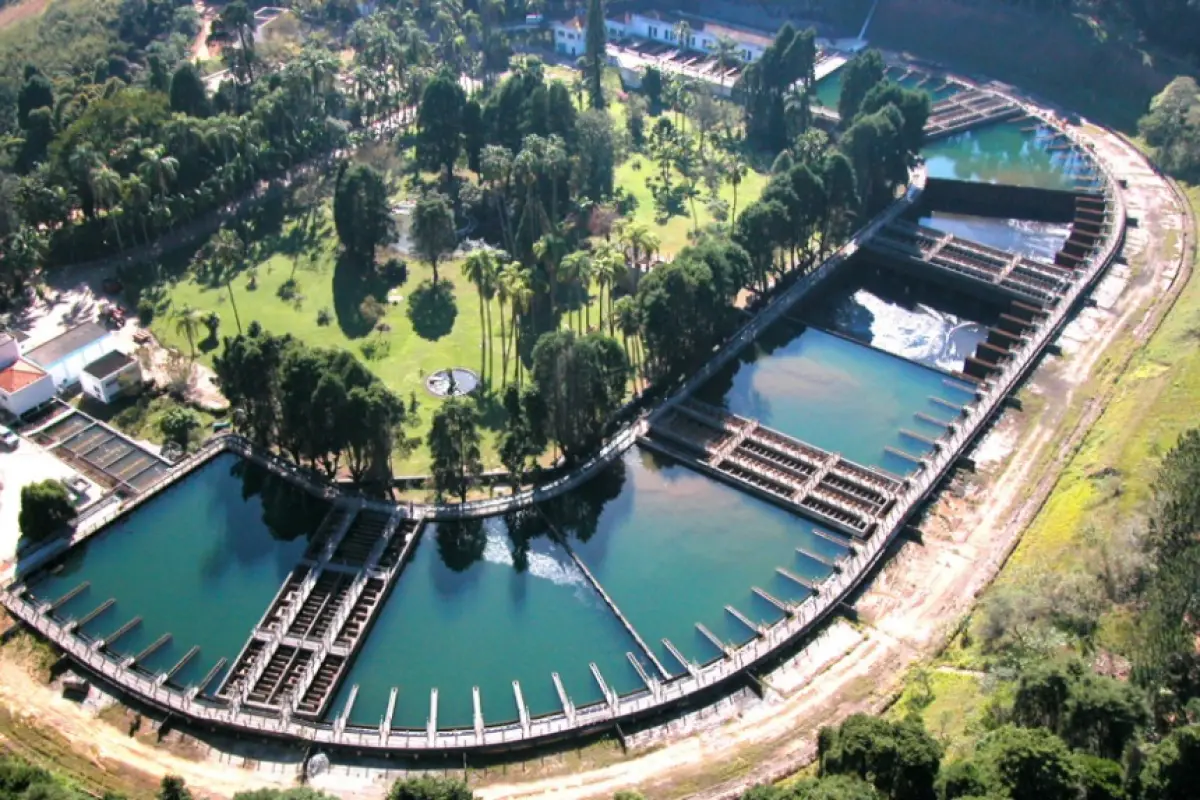

According to the Secretary of Infrastructure, Environment and Logistics of the State, Natália Resende, the government of São Paulo is studying the adoption of a privatization model for Sabesp (São Paulo Basic Sanitation Company) that is similar to the sale of Eletrobras.
“We have the feeling of Eletrobras based on everything we have followed, with the peculiarity that is sanitation in Brazil. The particularity of the water sector starts even in terms of competence,” says the secretary in an interview with the newspaper Estadão, published this Monday (01/23).
This de-statization format being analyzed will allow the State to participate in decisions, even without share control – but having veto power.
“What we can do is dilute these shares in the logic of Eletrobras, that is, increase the amount of shares of the private sector while maintaining what we call a golden share, for example, which means: in strategic decisions, the State retains voting power,” she declared.
-
China wants to impress the world once again with a mega canal featuring giant locks, deep waters, and space for the largest ships, in a project aimed at shortening journeys, reducing queues, and rivaling the Panama Canal in global trade.

-
Brazil saved US$ 32.4 billion in 2025 by switching from fossil to renewable energy and only ranked behind China and the United States on the IRENA global podium.

-
A company from SC that moves R$ 125 billion in agribusiness is integrated into an international group, maintains its headquarters and jobs in Chapecó, and is preparing to expand software for cooperatives, grain companies, and industries while targeting new markets without leaving the western region of Santa Catarina.
-
Portugal “hides” gold reserves of 382 tons valued at 47 billion euros in an armored building, and the story involves gold from colonial Brazil, Nazi Germany, and a fortune that once amounted to 866 tons.




According to Resende, the initiative is part of attracting private capital, despite maintaining state ownership, due to being a company of “great value.”
According to her, the service can improve the expansion of coverage areas. The Sabesp is also responsible for water supply, sewage collection, and treatment, in most of the State.
On January 3 of this year, São Paulo Governor Tarcísio de Freitas had already mentioned Eletrobras as an “adhesive and suitable” model for privatizing Sabesp.
Founded in 1973 during the term of former Governor Laudo Natel, Sabesp is a mixed-economy company and publicly traded. The São Paulo government is the majority shareholder with 50.3¢.
This company has been listed on the B3 (São Paulo Stock Exchange) and on the NYSE (New York Stock Exchange) since mid-2002.
The Sabesp states that it is responsible for supplying water to more than 28 million people. In addition to all this, 25 million are covered by sewage collection.
These company responsibilities include the de-pollution of rivers in the State, a demand from the former population. Over 25 years, plans for cleaning only the Pinheiros River under PSDB governments totaled more than R$ 28.5 billion by May 2021. This process has not yet been concluded.
On the first trading session of the year, shares of the Sabesp on the last B3 fell about 6.49%, with some stocks quoted at R$ 53.45. The next quarterly results are expected to be released in March, specifically on the 23rd.
The government of President Jair Bolsonaro completed the privatization process of Eletrobras on July 9, 2022. With the end of the bookbuilding, the company’s Executive Board established a price of about R$ 42 per share.