Portuguese
  Spanish


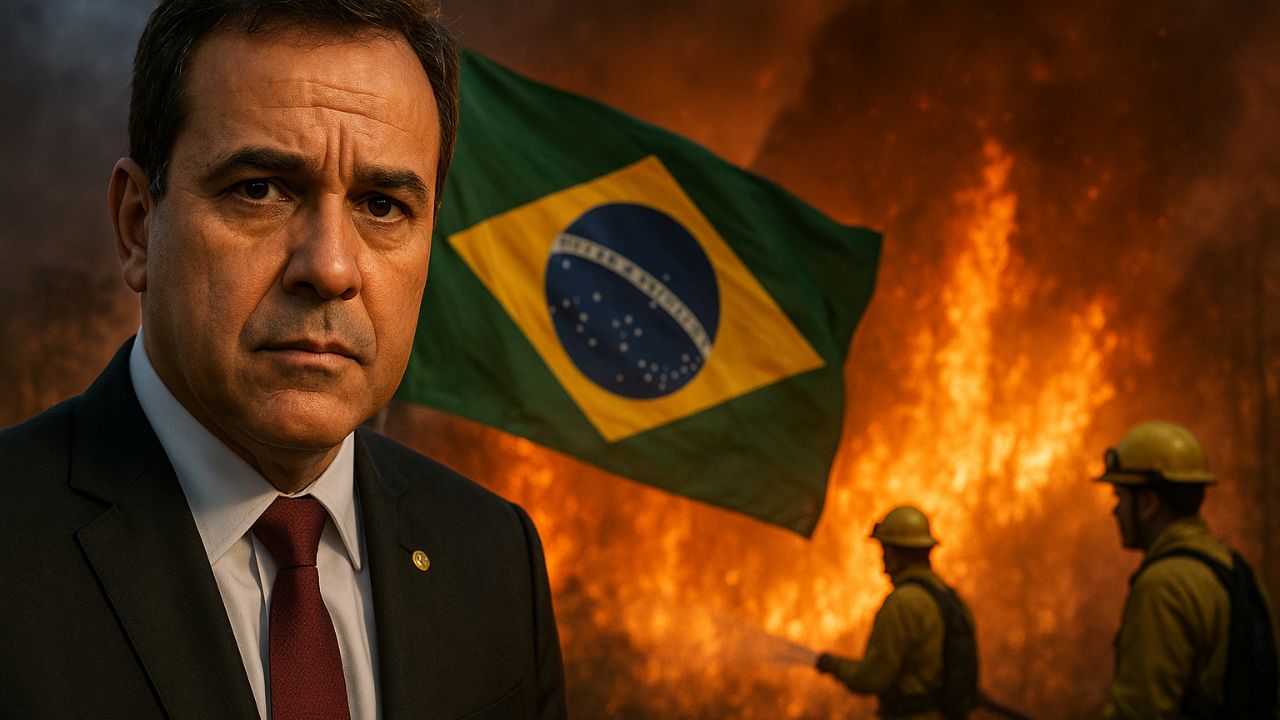

While Global Powers Define Their Future With Detailed Reports, Senate Debate Reveals That The Country Limits Itself To Defense Guidelines, Risking Its Position In The International Scenario.
A debate held by the Committee on Foreign Relations (CRE) of the Federal Senate, reported by the Senate Agency, exposed a critical vulnerability in the conduct of foreign policy and national development: Brazil Does Not Have A Unified Strategic Plan To Guide Its Actions In The Medium And Long Term. This absence directly contrasts with the practice of nations such as the United States, China, India, Japan, and European Powers, which regularly publish official documents to guide their positioning in the world.
The discussion, proposed by Senator Nelsinho Trad (PSD-MS), pointed out that in a scenario of weakened multilateralism and increasing geopolitical tension, the lack of a State vision leaves the country at a disadvantage. Experts and parliamentarians present at the public hearing agreed that Brazil operates reactively, “putting out fires”, rather than following a clear path to achieve its goals of sovereignty, development, and security as provided for in the Constitution.
The Absence Of A National Document
The central point of the debate, as detailed by the Senate Agency, was the analysis presented by Rubens Barbosa, former ambassador of Brazil in London and Washington and current president of the Institute of International Relations and Foreign Trade (Irice). He highlighted that while other nations produce complex reports about their goals and strategies, Brazil Is Restricted To Sectoral Documents, Such As Those On Defense, which are insufficient to encompass the complexity of current challenges.
-
European Parliament Approves Digital Euro, Aiming to Challenge Visa and Mastercard’s Dominance and Transform Payments Across Europe by 2029

-
Israel finds Hezbollah militarized tunnel over 200 meters long under village, with 4 missile launch shafts, 12 chambers, anti-tank missiles, drones, and weapons depots at a depth of 25 meters.

-
Ukraine launches largest drone attack on Moscow since 2022, Russia claims to have intercepted nearly 200 aircraft near the capital, Kapotnya refinery targeted again, and offensive reignites alert about war reaching the Russian energy heart just a few kilometers from the Kremlin.

-
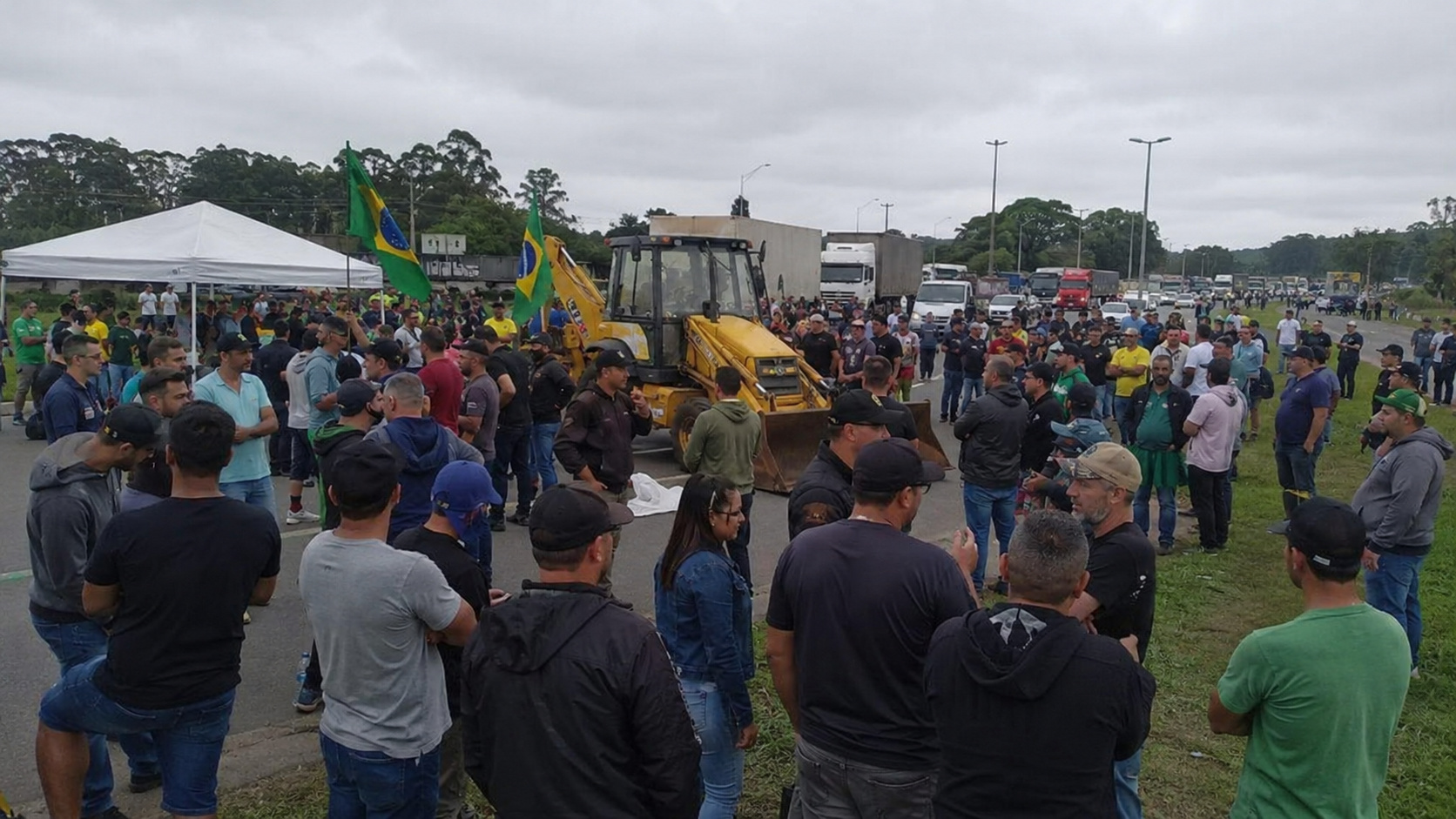
Truck drivers, freight, and fines from 2022 take center stage in politics: Chamber approves MP with amnesty, mandatory tracking by CIOT, million-dollar penalties, and new minimum wage for those who spend more than 24 hours on the road.


According to Barbosa, the motivation for this discussion is the “true law of the jungle” that prevails in the global order, marked by pandemics, wars, and the political use of economic sanctions. “Brazil Does Not Have A Document That Reflects Internal And External Priorities And Aspirations”, he stated, explaining that the study prepared by his institute, entitled An Strategy For Brazil, serves as a “provocation” to stimulate a Realistic And Unconstrained Debate About The Place That Brazil Should Occupy In The World.
The Pillars For A State Project
During the hearing, senators pointed out what could be the central axes of a possible project for the State for Brazil. Senator Astronaut Marcos Pontes (PL-SP) argued that investment in science, technology, and quality education is the “common recipe” of all developed countries. “Brazil needs to have long-term goals. It Is Not A Question Of Government, It Is A Question Of State”, emphasized Pontes, connecting the need for a unified strategy to technological advancement and innovation.
For his part, Senator Chico Rodrigues (PSB-RR) recalled that Brazil’s strategic position is intrinsically linked to its role as a global provider of food. He cited impressive data, such as the fact that Brazilian agribusiness feeds almost 800 million people daily and that the country has the largest cattle herd in the world. This strength, he said, is a strategic asset that needs to be integrated into a broader vision, protecting the sector and enhancing its reach.
Navigating The New Geopolitical Order
The complexity of the international scenario, marked by rivalry between the United States and China, was another highlighted theme. Senator Hamilton Mourão (Republicanos-RS) noted that Brazil is “caught in the middle of this conflict” and needs balance to preserve its historical relations, such as the friendship of over 200 years with Americans, without neglecting the commercial importance of China. The absence of a clear strategy, according to him, makes the country more susceptible to external pressures.
This view was reinforced by Senator Tereza Cristina (PP-MS), who criticized the lack of continuity in Brazilian foreign policies. “We cannot live by putting out fires. Political polarization leaves fundamental issues in the shadows”, she declared, citing examples like the loss of prominence in South America and the abandonment of an active policy with Africa. According to the Senate Agency, the senator concluded that the lack of State projects that transcend government cycles causes Brazil to miss numerous opportunities.
A Call To Action
The consensus formed in the debate of the Committee On Foreign Relations is that the reactive and fragmented approach is no longer sufficient to safeguard Brazil’s interests in a changing world. The call for a national strategic plan reflects the urgency to define priorities, align internal and external policies, and ultimately build a vision for the future that is resilient To Government Changes And Capable Of Positioning The Country As A Relevant And Sovereign Actor In The 21st Century.
Does The Lack Of A Unified Strategic Plan Harm Brazil The Most In The Global Scenario? Which Sector Do You Believe Would Benefit Most From A Long-Term Vision: Technology, Agribusiness, Or Foreign Relations? Leave Your Opinion In The Comments, We Want To Hear From Those Who Live This In Practice.