






 Portuguese
  Spanish


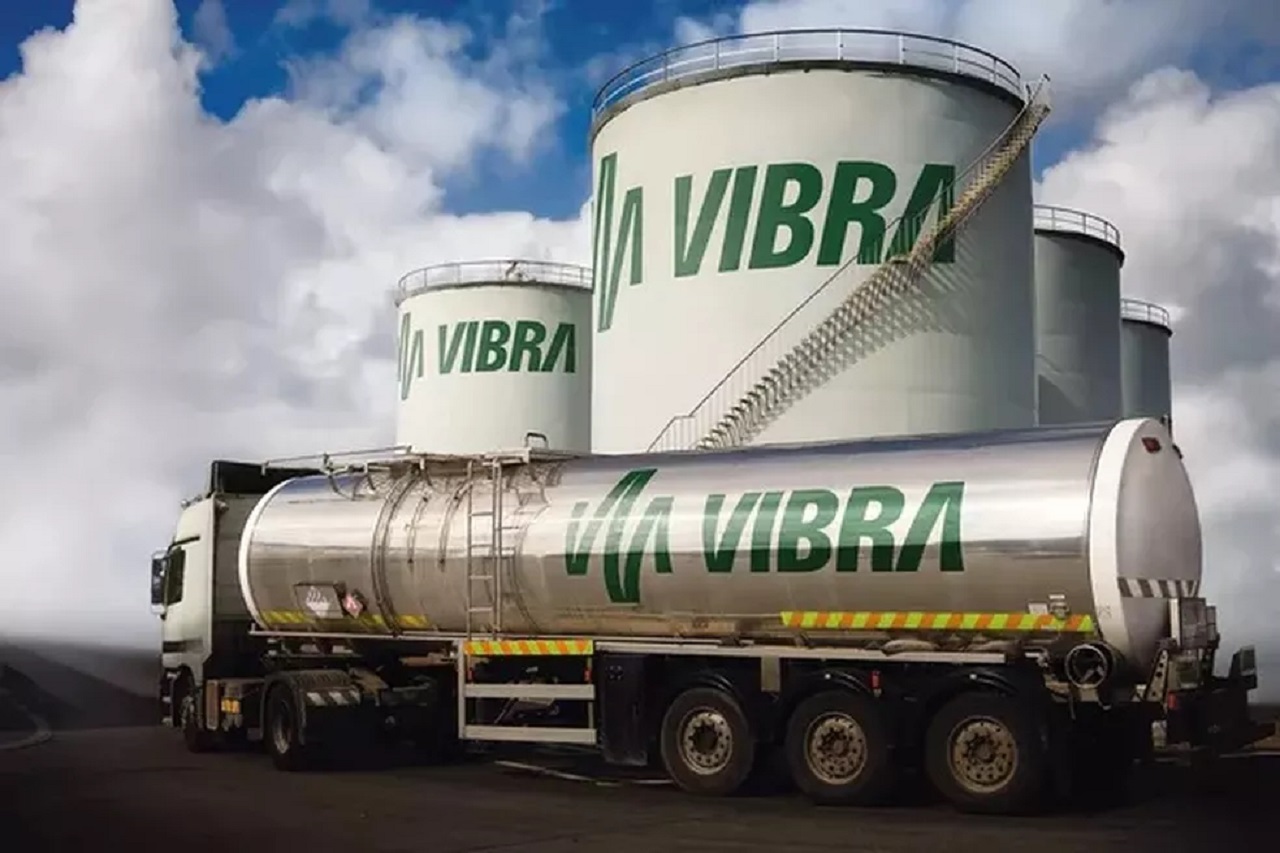

Vibra Energia Is Making New Investments Focused on Expanding Its Presence in the Renewable Energy and Clean Fuels Market.
In Brazil, there are more than 40,000 gas stations spread across the country, and the existence of these establishments seems incompatible with the technologies of a near future, where consumers will have the autonomy to refuel their vehicles at renewable energy points such as shopping centers, in the garages of their offices, or even at home. For Vibra Energia, responsible for more than 8,000 gas stations, the result is to invest in clean energy and fuels at conventional stations.
A Large Portion of Vibra Energia’s Revenue Comes from the Old Gas Station Network
The company’s investment plan is not as simple as just installing electric charging points at gas stations, although this is already being done at 300 charging stations spread across eight states in the country. Vibra Energia, the name given to the former BR Distribuidora after privatization, aims to be a multi-energy platform. Currently, about R$ 6 out of every R$ 10 generated by the former BR comes from the gas station network.
The remainder comes from direct fuel sales to companies. The new business segment has an even smaller share. However, the company’s expectation is that, in the near future, the participation of the latter group will increase. According to Vibra’s CFO, André Natal, in an interview, the fuel business will continue to be important, but the company seeks to transition to clean fuels.
-
Brazil’s Offshore Wind Energy Potential Worth $1 Trillion Stalled by Long-Delayed Agreement

-
World’s Largest Engie Solar Plant in Brazil Highlights Billion-Dollar Energy Waste Issue: Company Considers Batteries and Bitcoin Mining to Avoid Wasting Production

-
Air Products Cancels $2.9 Billion Clean Hydrogen Megaproject in Louisiana, Shuts Down Arizona Unit, Highlighting High Costs of U.S. Energy Transition
-
Over 60 Tractors Take to the Streets in Lopera as Solar Parks Compete with Olive Groves, Affecting 13,000 to 100,000 Trees According to Conflicting Reports


Through partnerships and acquisitions, the former BR Distribuidora has made investments in ethanol, biofuels, and renewable energy. First of all, it must be stated that the plan is not solely tied to the commitment to a more sustainable future.
Investments in Renewable Energy and Clean Fuels Will Increase EBITDA
Vibra Energia understands that the customers who currently purchase fuel will be the same ones who will need other sources of renewable energy in the near future, and meeting that decades-long demand will be essential for maintaining results. According to the company’s calculations, investments made in new businesses will increase EBITDA by 50% by 2027.
A significant step forward was taken last year with the acquisition of 50% of Comerc for R$ 3.25 billion.
Comerc is one of the largest sellers of energy in the free market, thus serving as a supplier of renewable energy to companies. A large portion of this electricity is generated by solar and wind energy projects developed by the trading company itself.
Vibra Forms Partnership with Copersucar
According to Wilson Ferreira Junior, CEO of Vibra Energia, the partnership strengthens the company’s position as a multi-energy platform. The free market is the one most likely to expand, and Comerc has the competitive advantage of selling renewable energy.
The executive is expected to remain in charge of Vibra Energia until September, when he will assume the presidency of Eletrobras. Under Ferreira Junior’s leadership, the company has also developed a joint venture with Copersucar for the sale of clean fuels, such as ethanol. Previously, BR stations were supplied with the product purchased directly from the mills.
Currently, all ethanol generated by Copersucar goes to the joint venture with Vibra, with the goal of soon supplying not only the network’s gas stations but also other clients. Although ethanol is already known to Vibra, due to its experience with the stations, the goal now is to deal with the acquisition of 50% of ZEG Biogás, a company that produces and sells biofuels.


