






 Portuguese
  Spanish
  3 min of reading


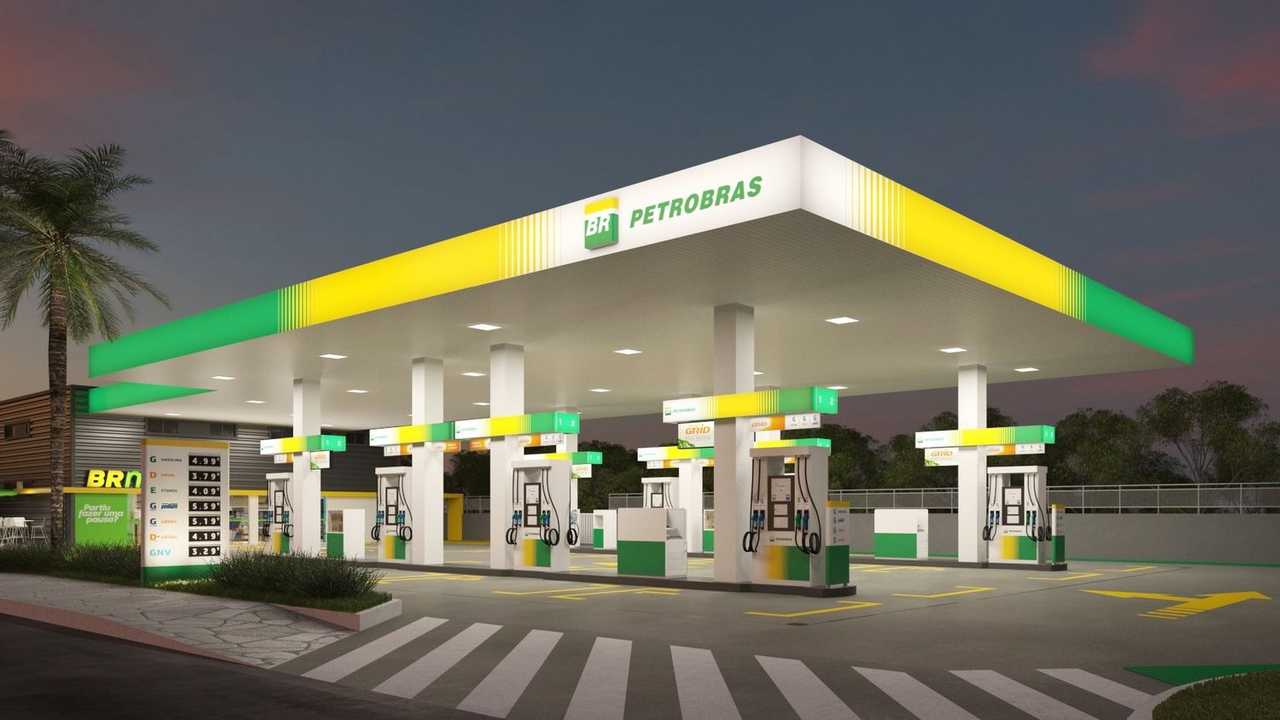
The Fuel Distributor, Vibra, Is Launching A New Generation Of Biofuel At Petrobras Stations In The State Of Paraná. Thus, The Petrobras Grid Ethanol Promises Lower Costs, Greater Cleanliness, Savings, And Provides More Protection.
Vibra, the leader in the fuel distribution market and the largest multi-energy company in the country, announces the launch of a new generation of biofuel for January at Petrobras Stations located in Paraná. The new technology of Petrobras Grid Ethanol brings changes that will complement Petrobras Grid and Petrobras Podium gasoline, launched in February 2022.
After Various Tests, Petrobras Stations In Paraná Will Receive The New Biofuel Produced With Technology That Promises Protection, Cleanliness, And Cost-Effectiveness For Engine Maintenance
The new biofuel produced by Vibra in partnership with BASF (a German company), Petrobras Grid Ethanol, consists of Tecno 3, a technology that features innovative additives selected to enhance the unusual properties of traditional ethanol.
This technology promotes cleanliness, protection, and savings, resulting in lower maintenance costs for engines, in addition to including more advanced friction modifiers, detergents, and anticorrosives.
-
Brazilian scientists are simultaneously advancing two research projects on clean hydrogen and driving solutions that could transform the energy matrix, enhance industrial competitiveness, and accelerate large-scale emission reduction targets.

-
Advancement in renewable energy: A R$ 150 million project launched by Petrobras and Finep aims to create state-of-the-art electrolyzers for green hydrogen, strengthening national research and preparing Brazil to compete in a billion-dollar energy market.
-
Illiterate or semi-literate grandmothers were trained to repair solar systems, open rural workshops, and light up homes that still depended on kerosene.
-
US$ 7 billion, green hydrogen, and steel with up to 95% less CO₂: the first green steel plant on the planet emerges in Sweden and targets Brazil as the next chapter




Developed during 2021 and tested in laboratories in Germany, the blend of additives used in the production of the new generation Petrobras Grid Ethanol was designed to be used exclusively in Brazil.
To meet the technical specifications of ANP and arrive at the ideal formula that would meet engine usage requirements, many hours of work were dedicated.
“In developing this new generation of Petrobras Grid Ethanol, we were concerned about creating a solution aimed exclusively at the Brazilian market. We worked hard on the evolution of the product to suit our reality, making significant composition changes to ensure the delivery of the quality of fuel at Petrobras Stations, which is already widely recognized,” says Vibra’s Senior Brand and Product Analyst, Eduardo Alcazar.
Through detergent tests conducted on engines, it was proven that the new formula used in the creation of the ethanol reduces the formation of deposit residues and removes existing ones.
It is generally normal for common fuels to generate deposits in parts of the engine, especially the valves, and the additive technology minimizes this problem. In the tests conducted for the new generation of Petrobras Grid Ethanol, a reduction of about 52% in these deposits was observed.
With the tests, it was possible to confirm what previous studies had already indicated: that common ethanol, like other fuels, also forms deposits on the intake valves and in the injectors.
“This is due to the fact that regardless of the fuel, there is a mist of lubricant circulating into the combustion chamber that contributes to these deposits,” highlights Alcazar.
The Petrobras Grid Ethanol Produced By Vibra Has Been Highly Tested And Can Present Several Factors That Demonstrate The Quality Of The Biofuel Compared To Common Ethanol
High corrosion protection is one of the highly relevant attributes of the new Ethanol Grid.
During the tests, common ethanol was responsible for 25% to 50% of rust on the specimen body, while the new product achieved 100% protection capability.
Regarding wear tests, the new technology reached a reduction of up to 36% in wear between metal parts compared to common ethanol.
Friction also reduces when compared to common ethanol, reaching less than 40% friction, proving an increase in the lubricity of this ethanol.
All the factors mentioned above generate greater efficiency in vehicle performance, as well as savings in maintenance and product yield.





Be the first to react!