






 Portuguese
  Spanish


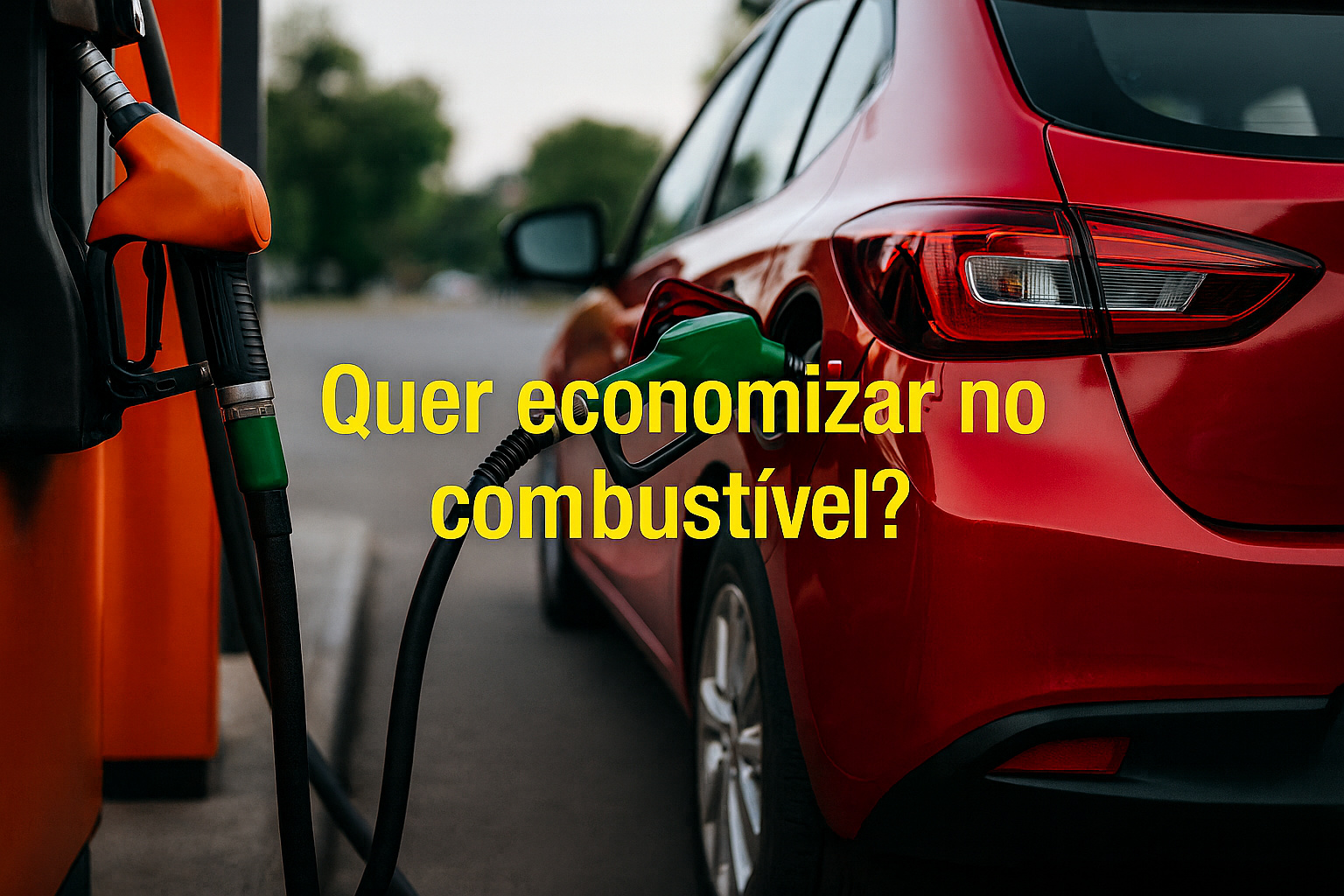
From Popular Car to Corporate Fleet: Discover Which Innovations Are Truly Reducing Fuel Consumption in the Country
In Brazil, where fuel prices still weigh heavily on the budgets of families and businesses, the search for solutions that offer real fuel savings has become a necessity rather than just a trend. Amid promises and advertisements, many technologies have emerged with the promise of reducing costs, but few deliver consistent results.
That’s why it’s essential to understand which technologies really work and are making an impact in the daily lives of Brazilian drivers and fleet managers.
The good news is that advancements in automotive technology and intelligent monitoring systems have enabled concrete reductions in consumption, especially in urban and logistical scenarios. This technological revolution, once limited to premium vehicles, is beginning to become accessible to the general public.
The Importance Of Efficiency In Fuel Use
Fuel savings is not just a matter of financial savings. It is directly linked to sustainability, the reduction of carbon emissions, and vehicle performance.
Every liter saved means less environmental impact and a longer engine lifespan. That’s why large companies and even app drivers are embracing technological solutions that optimize consumption.
-
Controversial 6-day Workweek Elimination in Brazil Faces Economic Criticism Over Productivity Claims

-
Itaú to Refund Customers After 14 Years of Unauthorized Credit Card Charges; Agreement Includes No Interest or Adjustments, Deadline by 2028, with Potential Impact of Up to $6.5 Billion

-
Brazilian Company Grows from Bartering Soap for Food to Producing 30 Million Units Monthly, Challenges Global Giants with $100 Million Revenue and Expands into Premium Cosmetics
-
Petrobras and Engeko’s New Investment Plan Promises Billions and Thousands of Jobs, Capturing Market Attention


In Brazil, transportation and logistics companies report reductions of up to 15% in fuel consumption after implementing telematics and driving analysis technologies.This shows that technology plays a decisive role not only in cost control but also in productivity and safety.
However, the same principle can be applied to ordinary drivers. Technological adjustments that once required large investments are now also reaching passenger cars, with real results.
Technologies That Truly Reduce Consumption
One of the most well-known and proven effective innovations is the Start-Stop system, found in various car models sold in Brazil. This technology automatically shuts off the engine when the car stops at traffic lights or in traffic jams and restarts it as soon as the driver engages the clutch or accelerator. In urban trips, it can represent a fuel savings of up to 10%, depending on traffic conditions.
Moreover, telematics systems have proven to be one of the most efficient resources for controlling consumption. They monitor driving style, average speed, sudden accelerations, and engine idling, providing accurate data for route corrections and driver behavior. In corporate fleets, this technology can mean savings of thousands of reais monthly.
In the national automotive sector, Brazilian researchers and engineers are also innovating. An example is the development of a patented national technology capable of reducing consumption by up to 12%, as well as prolonging engine life and reducing pollutant emissions. This solution has attracted attention from the urban transportation sector and promises to expand into the light vehicle market.
Another relevant advancement is the use of route optimization software, especially among transportation and delivery companies. By employing algorithms that cross-reference traffic data, cargo weight, and travel time, it is possible to reduce unnecessary trips and increase refueling efficiency.
When Technology Pays Off And When It Does Not
Not every technological innovation brings immediate returns. It is important to assess the profile of the driver or the company before investing. For example, for those who drive little, the savings may take months to offset the cost of installing an intelligent system. However, for those who depend on the vehicle daily, the return is likely to be quick and significant.
In urban cars, simple technologies such as Start-Stop, the use of low rolling resistance tires, and monitoring tire pressure already make a difference. On the other hand, more advanced systems like telematics and fuel analysis sensors are more suitable for corporate fleets or transport companies.
Beyond technology, the human factor remains essential. Changes in behavior while driving, such as avoiding unnecessary accelerations, keeping up with maintenance, and planning routes are also part of the practices that promote real fuel savings.
The Future Of Fuel Economy In Brazil
The trend is that the use of automotive technology will become increasingly integrated into vehicle management and maintenance systems. Intelligent sensors, 5G connectivity, and artificial intelligence are being incorporated into cars and trucks to predict failures and optimize energy use.
Moreover, the expansion of hybrid and electric cars reinforces a gradual transition movement in Brazil. Although these models still represent a small slice of the market, they have already demonstrated significant reductions in fossil fuel consumption and lower operating costs.
In the meantime, technological solutions applied to conventional vehicles continue to serve as an important bridge between the present and the future of sustainable mobility.
Have you ever stopped to think about how much you could save with the smart use of technology in your car?
Leave your opinion in the comments.




Be the first to react!