






 Portuguese
  Spanish


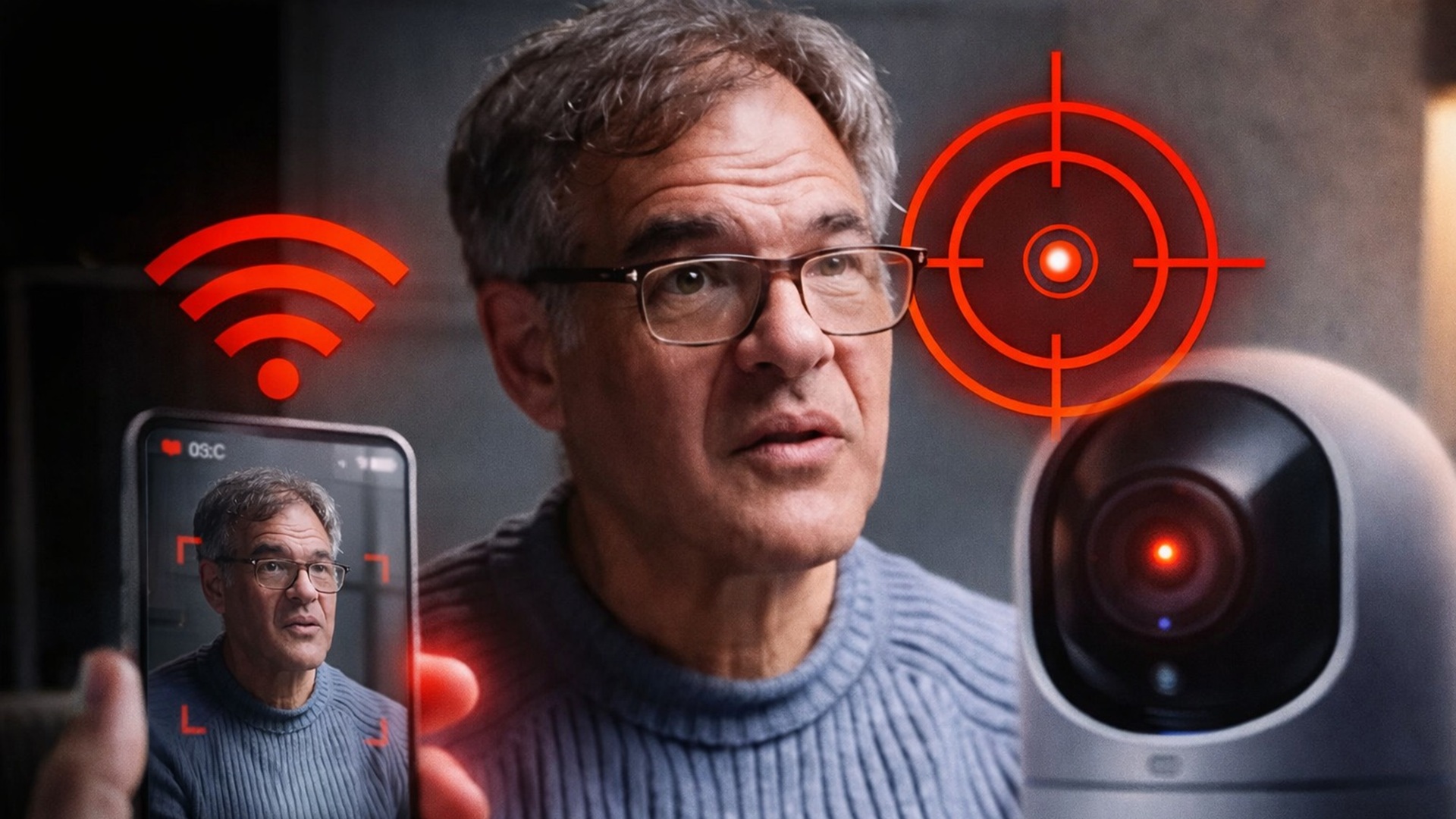
John Kiriakou Statements in International Podcast Reignite Debate on Digital Surveillance by Detailing Capabilities Attributed to Intelligence Agencies to Remotely Access Phones, Smart TVs and Vehicle Systems, Including Environmental Listening and Technical Control, Based on Professional Experiences and Classified Documents Made Public
The revelation from a former CIA agent has reignited the debate over digital surveillance by claiming that phones, smart TVs, and even cars can be used as instruments for listening and remote control by intelligence services, according to reports made in a recent interview on an international podcast.
Revelations from a Former CIA Spy About Surveillance on Personal Devices
During his participation in the podcast The Diary of a CEO, former agent CIA John Kiriakou stated that current technological devices are not secure and can be accessed by various intelligence agencies around the world.
According to him, phones, smart TVs, and other connected devices are potential targets for constant surveillance.
-
Brazilian Student Wins Global Science Fair in the U.S. with Sound Wave Method to Alter Alzheimer’s-Linked Genes

-
Bosch Unveils Revolutionary 2.3 kg Hub Motor for E-Bikes with 45 Nm Torque and 400 Watts Power, Eliminating Resistance Above 25 km/h in Historic Shift for German Manufacturer
-
Brazilian Engineer Develops Marine Bacteria from Ubatuba into a Mini Power Plant Generating 227 mW per Square Meter, Cleans Air by Capturing CO₂ and Releasing Oxygen
-
Trump Signs Orders to Develop Quantum Computer and Bolster U.S. Systems Against Encryption-Breaking Attacks


Kiriakou declared that not only would U.S. agencies have this capability. He explicitly cited intelligence services from countries such as United Kingdom, France, Germany, Canada, Australia, New Zealand, Russia, China, Israel, and Iran, stating that all possess technical means to invade electronic devices.
Professional Background and Conviction of John Kiriakou
The former CIA spy served as an intelligence analyst and operations officer at the agency’s Counterterrorism Center.
He also held the position of senior investigator for the U.S. Senate Foreign Relations Committee, according to his own account presented during the interview.
In 2012, at the age of 61, Kiriakou became the only CIA member convicted for publicly exposing the agency’s enhanced interrogation program.
The conviction came after leaking classified documents to a journalist, involving practices such as simulated drowning.
Imprisonment and Restriction of Liberty Period
Between February 2013 and February 2015, Kiriakou served time at the Federal Correctional Institution in Pennsylvania. After that period, he remained under house arrest for an additional three months, completing his sentence related to the case.
During the conversation on the podcast, host Steven Bartlett directly questioned about the digital security of modern devices. The question addressed the common perception that smartphones and other personal devices would be protected against external intrusions.
Technical Capabilities Revealed and the Vault 7 Case
In response, the former CIA spy mentioned the so-called “Vault 7 Revelations,” which occurred in 2017.
According to him, a disgruntled CIA software engineer passed on tens of thousands of pages of top-secret documents to WikiLeaks, which published the material under that designation.
Among the described capabilities, Kiriakou stated that the CIA can remotely turn a smart TV’s speaker into a functioning microphone, even when the device is turned off.
According to him, the device would continue capturing audio from the environment and transmitting information.
Remote Control of Vehicles and Associated Risks
Another point highlighted was the possibility of taking control of the computerized systems of vehicles.
According to the former agent, this technology would allow for direct interference in driving, causing collisions or fatal accidents remotely, something he described as technology already known internally.
Kiriakou stated that these capabilities existed when he was hired by the CIA back in the 1980s, emphasizing that they are old resources widely disseminated among global intelligence agencies.
In the end, the former CIA spy reiterated that everyday technological devices may be listening to personal interactions, reinforcing the need for caution in using these tools in the modern world.





Be the first to react!