Portuguese
  Spanish


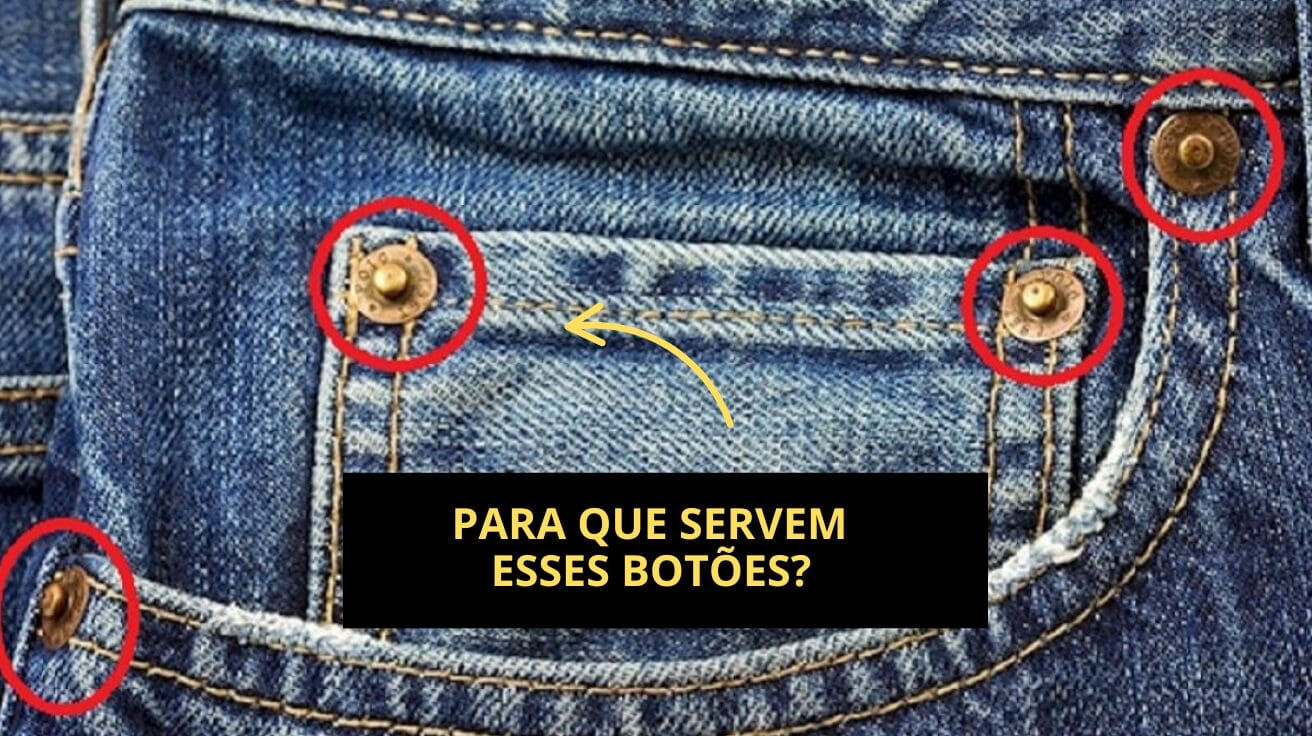

Discover the Surprising Origin of the Small Metal Buttons That Reinforce Jeans, Which Go Far Beyond Aesthetics and Carry a History of Innovation, Resistance, and Tradition That Transformed a Functional Piece Into an Icon of Global Fashion.
The small metal buttons that reinforce the pockets of jeans have a fascinating history that dates back nearly 150 years.
Although they may seem like merely an aesthetic detail, these buttons were created to ensure the durability and strength of the garment, especially at a time when jeans were heavy workwear.
According to historical records, the origin of metal buttons on jeans emerged in 1873, when pants were still made to withstand the extreme demands of miners, farmers, and laborers.
-
Teen from Brazil Turns School Snack Sales into Million-Dollar Confectionery Business Projected to Earn Nearly $1.9 Million in 2024

-
Why Do Electrical Outlets and Switches Turn Yellow? Understanding the Impact of Light, Temperature, and Materials on Color Change
-
Former Brazilian laborer and ice cream vendor turns struggling company into $16.5 billion giant with 90,000 employees.

-
New Cyclone Expected to Hit Brazil, Changing Weather Within 72 Hours


At that time, the seams of the pockets on denim pants often tore, as these points were subjected to great tension from constant use and the carrying of tools and objects.
A tailor, who catered to this working population, noticed that the rips and wear in the pants were a constant problem and sought a simple yet revolutionary solution.
He decided to attach small copper rivets to the corners of the pockets, where the fabric endured the most pressure.
This idea, according to historical accounts, was so effective that businessman Levi Strauss, who sold jeans at the time, patented the innovation and popularized it in his garments.
These metal buttons began to reinforce the most vulnerable areas of jeans, preventing rips and considerably increasing the lifespan of the pants in heavy work environments.
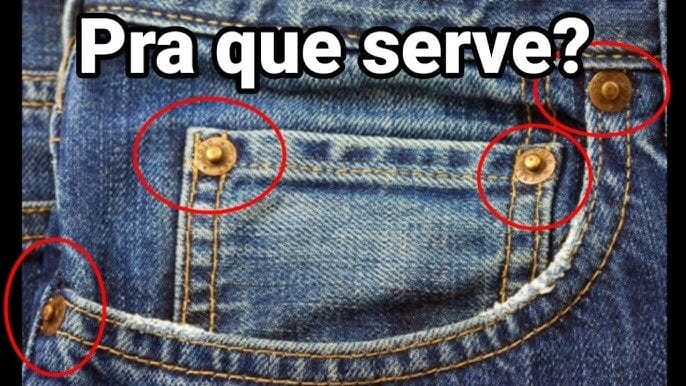
Jeans: From Workwear to Fashion Icon
Over time, jeans ceased to be an exclusive garment for manual labor and gained prominence in urban fashion, especially from the 20th century onward.
The fabric began to be adopted by young people, artists, and celebrities, transforming into an icon of style and culture.
Despite changes in sewing techniques, the emergence of new fabrics, and mass production, metal buttons have remained in the design as a symbol of resistance, tradition, and brand authenticity.
Today, even though the practical need for these buttons has diminished with technological advancements, they remain present to evoke the robust origins of jeans and maintain their visual identity.
In addition to providing structural reinforcement, these buttons carry a historical narrative that connects the present to the past, reminding us of jeans’ essential role in the revolution of fashion and workwear.
The Importance of Rivets for Jeans Durability
It is interesting to note that metal rivets, which may seem like a simple detail, were responsible for making jeans a much more durable garment, adapted to withstand the harshest conditions.
Furthermore, this simple solution had a direct impact on the textile industry and the way clothes are conceived to this day.
According to fashion and clothing history experts, the use of these buttons represents one of the first initiatives of functional design in the clothing industry, combining practicality and style.
Jeans, which originated as a necessity for workers, have become synonymous with freedom, rebellion, and popular culture worldwide, and the small metal buttons are a fundamental part of that journey.
In recent decades, the popularization of jeans has also brought variations in style and finishing of garments, including the placement of rivets in different locations, such as back pockets and even decorative details, maintaining visual and symbolic appeal.
Additionally, famous brands rely on the authenticity of these details to strengthen their market positioning, emphasizing that each button carries a story of innovation and resistance.
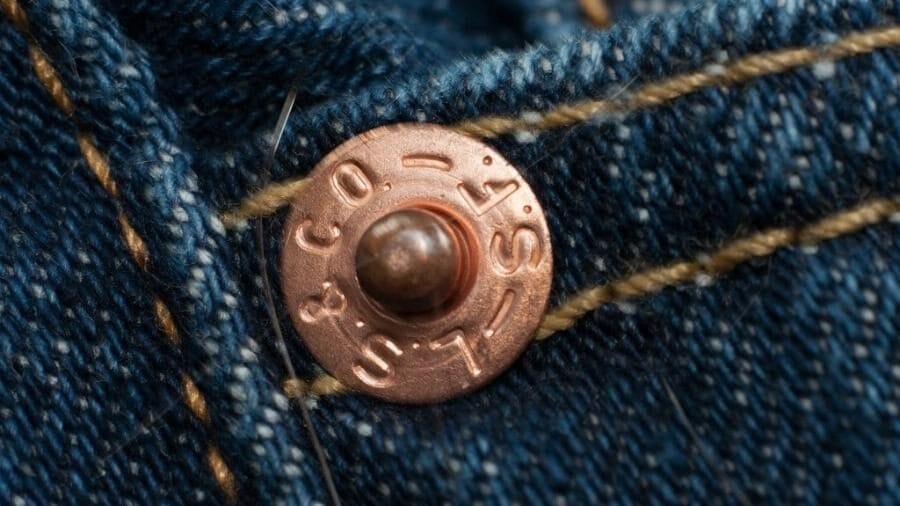
Jeans in Brazil and the Evolution of Metal Buttons
In Brazil, for example, jeans have carved out a special place in national fashion, being used on various occasions and styles, from casual to sophisticated.
Even though technology now allows for the use of more durable fabrics and more advanced sewing methods, the classic metal button remains an iconic, timeless, and globally recognized element.
Another curious fact is that, although the buttons were originally made of copper, different metals are now used, such as aluminum and metal alloys that combine durability and lightness, maintaining the original function with a modern touch.
The jeans we buy in stores also undergo rigorous quality testing to ensure that these structural details fulfill their purpose, even if the garment is used for purely aesthetic purposes.
According to specialists, jeans are the most democratic piece of clothing in the world, adapting to different cultures, ages, and styles, and the metal buttons are an element that unites all these variations.


A Simple Detail That Makes All the Difference
In summary, what may seem like just a small visual detail is, in fact, an ingenious solution that revolutionized the way we wear durable clothing.
Did you have any idea about how much history and innovation these small buttons carry?
They are a clear example of how something simple can make all the difference, combining functionality and style, and remaining relevant for nearly 150 years.
What is your opinion on the importance of small details in the clothes we wear every day? Do they make a difference for you?