Portuguese
  Spanish


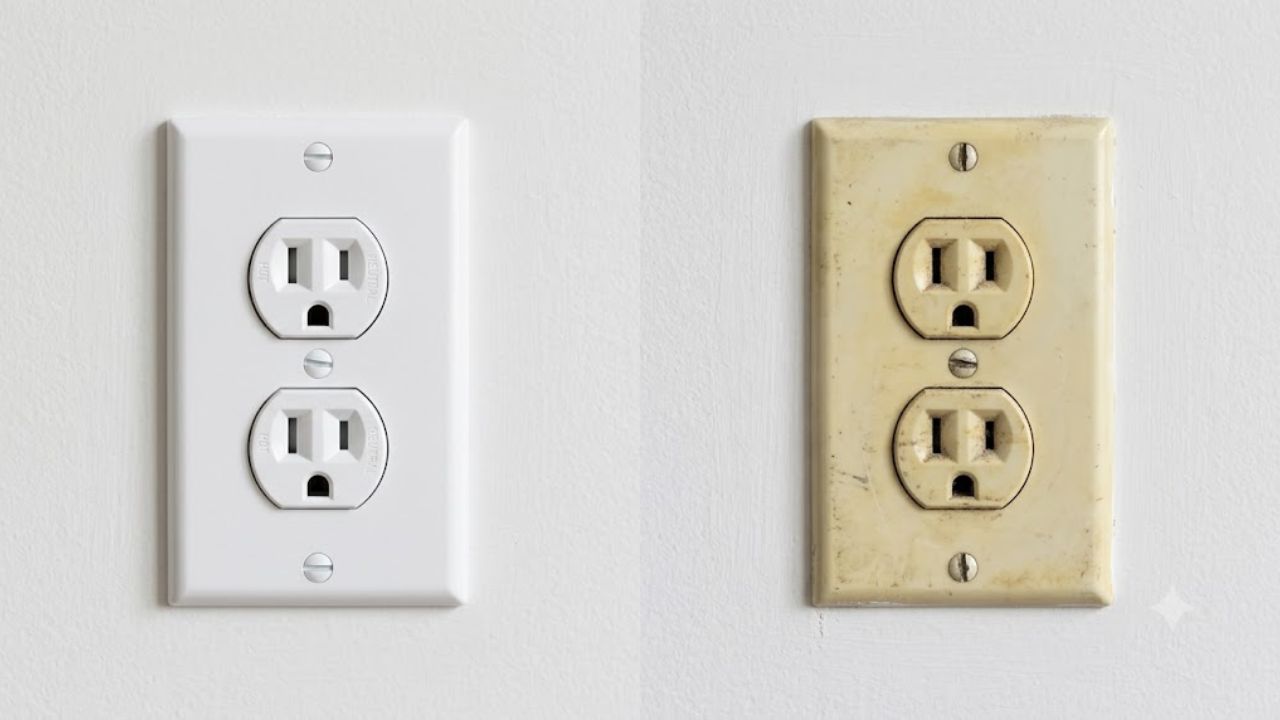
Yellowed outlets are the result of chemical reactions caused by UV light. Learn which factors accelerate the wear of outlets and switches.
The appearance of outlets and switches can change significantly over time, especially in environments with greater exposure to light and weather conditions. The appearance of yellowish stains on these components is a common phenomenon and is directly linked to the degradation of the plastic used in their manufacture. The alteration occurs due to chemical reactions that modify the structure of the material, mainly affecting light-colored pieces.
Although many people associate the problem only with the natural aging of the products, specialists point out that factors such as ultraviolet radiation, heat, humidity, and contact with certain substances can accelerate this process. As a result, outlets and switches may lose their original appearance in a shorter period than expected.
Why do outlets turn yellow?
The main cause of outlet yellowing is continuous exposure to ultraviolet (UV) rays, present in both sunlight and some artificial light sources.
-
Former Brazilian laborer and ice cream vendor turns struggling company into $16.5 billion giant with 90,000 employees.

-
New Cyclone Expected to Hit Brazil, Changing Weather Within 72 Hours
-
Brazilian School Network Turns 7 Tons of Recyclables into 43 Wheelchairs, Aiming to Break Record by 2026
-
194-Year-Old Giant Tortoise, World’s Oldest Living Land Animal, Honored by Guinness for Birth Predating Victorian Era, Eiffel Tower, and Tower Bridge



When this radiation hits the plastic surface, a chemical alteration occurs in the polymers that make up the material. The molecular bonds begin to break, giving rise to new compounds that change the original color of the piece.
Over time, this transformation becomes visible, especially on white or very light-colored surfaces, where the color change stands out more easily.
How radiation affects switches
Switches follow the same process observed in outlets. Frequent exposure to light causes the gradual degradation of the pigments and additives present in the plastic.
Even while reflecting a large portion of visible light, white materials remain vulnerable to the action of UV radiation. This effect promotes surface oxidation and contributes to the appearance of a yellowish tint.
On the other hand, models with darker pigmentation tend to show greater visual resistance to the phenomenon, as the intense coloration helps to slow down the effects caused by light exposure.
Factors that accelerate yellowing
In addition to ultraviolet radiation, other conditions can intensify the aesthetic wear of electrical components.
Among the main factors are:
- Constant exposure to sunlight;
- Environments with high temperatures;
- Places with high humidity;
- Frequent contact with chemicals;
- Accumulation of dust and dirt on surfaces;
- Use of abrasive substances during cleaning.
The combination of these elements can accelerate the deterioration of plastic and reduce the visual durability of outlets and switches.
Yellowed outlets appear more in hot and humid places
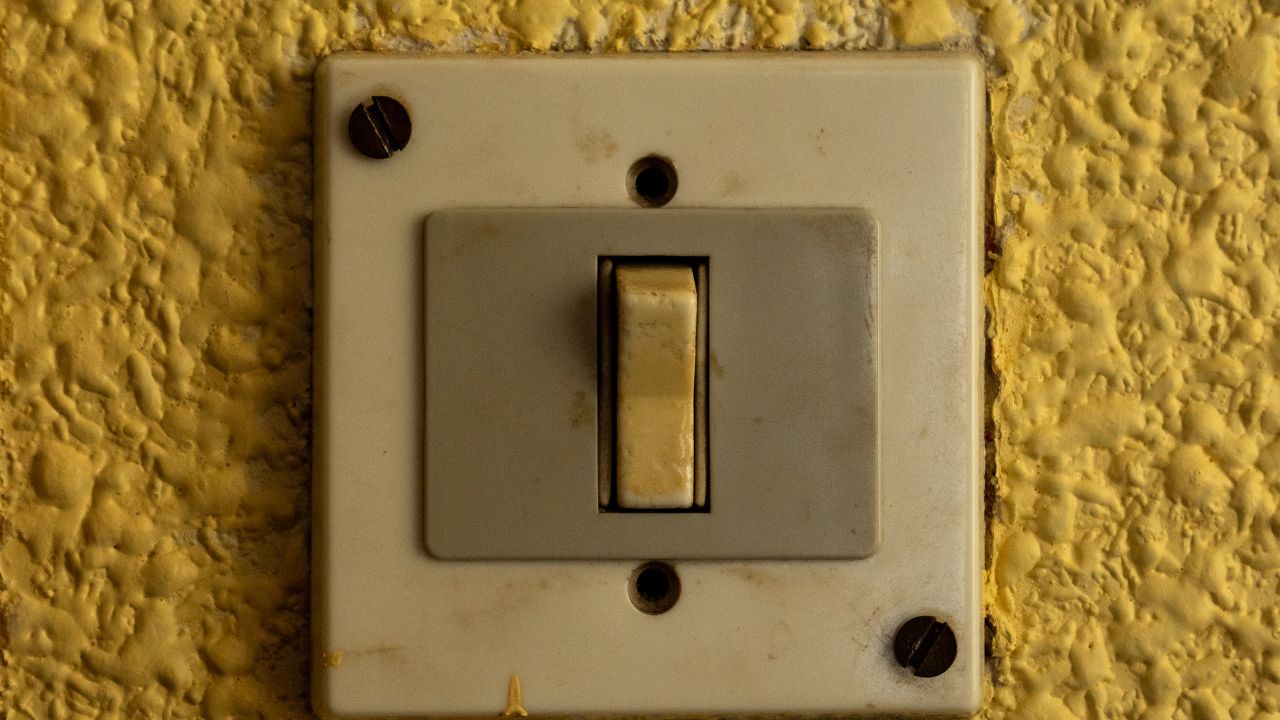
Temperature has a direct influence on the speed of chemical reactions that occur in plastic. The higher the heat, the faster the degradation of polymers occurs.
Humidity also contributes to the problem. In places where there is a constant presence of vapor or high humidity, the material tends to wear out more quickly.
For this reason, environments such as bathrooms, service areas, and outdoor spaces tend to show a greater propensity for the appearance of yellowed outlets and visually worn switches.
Chemicals can also harm the material
Another relevant factor is contact with chemical substances present in cleaning products and everyday use. Components such as chlorine, soap, oils, and abrasive agents can compromise the natural protection of plastic against ultraviolet radiation.
When this protective layer is weakened, the surface becomes more vulnerable to changes caused by light. Additionally, residues accumulated over time can contribute to the gradual wear of the external structure of the components.
What happens to the plastic during the process?
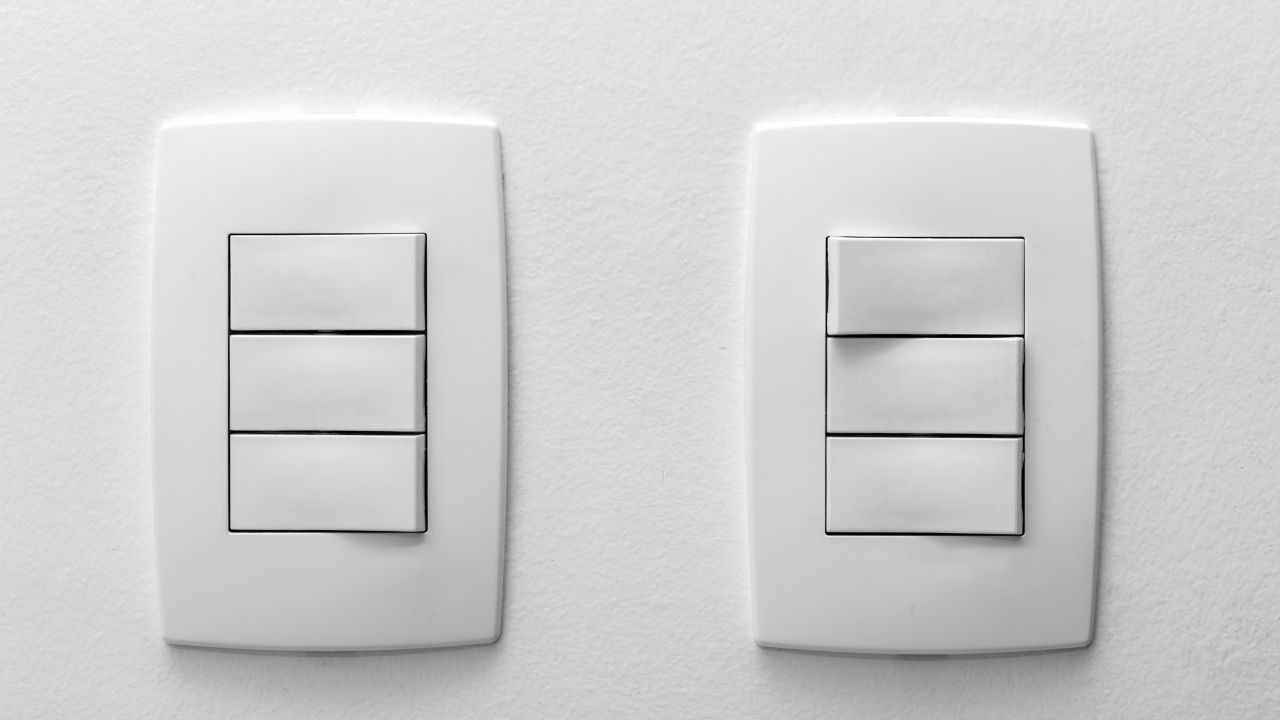
The yellowing is not just an aesthetic issue. It represents a chemical transformation in the material’s composition. During exposure to UV rays, the chemical bonds of the plastic undergo changes and start to form new compounds.
This change modifies the original structure of the piece and causes the color change observed in outlets and switches. The phenomenon is considered natural in plastic materials subjected to long periods of exposure to light and environmental conditions.
Understanding the main reasons for the problem
The factors most associated with the appearance of yellowed components are:
- UV radiation from the sun or artificial sources;
- Oxidation of plastic polymers;
- High temperatures;
- Constant humidity;
- Contact with chemical products;
- Accumulation of dirt on the surface.
The combination of these conditions accelerates the degradation of the material and favors the appearance of the yellowish coloration.
With information from WEG