Portuguese
  Spanish


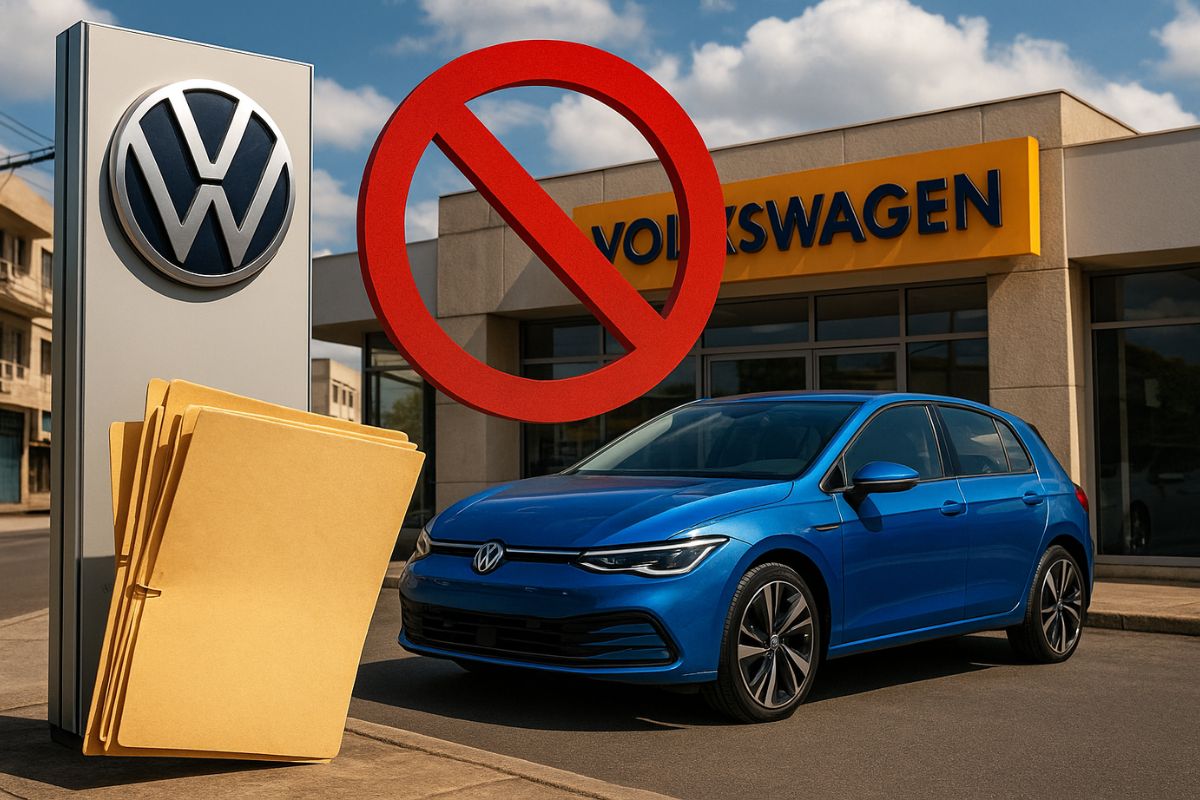

German Brand Confirms Strategic Change and Bets on the Return of Classic Names to Increase Emotional Connection with Consumers.
Volkswagen Will Retire its recent tradition of naming electric cars with the “ID” acronym and plans to return to using iconic names like Polo, as confirmed by the brand’s CEO, Thomas Schäfer. During an internal meeting, the executive stated that “iconic names should not die,” reinforcing the idea of resurrecting historic names that have marked generations of customers.
The change comes after internal recognition that the naming with acronyms, such as ID.3 or ID.4, has not fully won over consumers. The expectation is that the next compact electric model, which had been informally called “ID.2,” will receive a new official name before the IAA Mobility Show in September of this year. One of the most likely names is indeed “Polo,” a famous hatchback that already has a loyal fan base.
Why Did Volkswagen Decide to Retire the “ID” Names?
According to Volkswagen’s global head, Thomas Schäfer, the main reason for abandoning the “ID” acronym is the lack of emotional connection with customers. For automotive economics experts like Helena Wisbert from the University of Applied Sciences Ostwestfalen, the names “ID” have always sounded too technical, distancing consumers who value the tradition and reliability associated with the brand’s more well-known designations.
-
2027 Toyota Corolla Cross Unveiled: New Design, Enhanced Fuel Efficiency, Reduced Maintenance Costs, Advanced Technology, Connected Services, and Up to 10-Year Warranty

-
Fiat Cronos Precision 2018: Affordable Sedan with Spacious Trunk and Reliable Maintenance
-
Volkswagen to Cut Production by 1 Million Cars by 2030, Reducing Jobs and Platforms, Focusing on More Profitable Models

-
Toyota Launches First 100% Electric Car in Brazil: bZ4X with 343 HP, All-Wheel Drive, 361 km Range, Priced at $419,990 BRL, Limited to 99 Units



Stefan Reindl from the Automotive Economics Institute adds that “an electric Polo is much clearer, more emotional, and true to Volkswagen’s identity than an ID.2,” indicating that this change could have positive effects on public perception.
Where and When Will the Change Be Applied?
The first model to inaugurate this new naming phase will be the successor to the current ID.2all concept. Volkswagen will reveal the official name of the new electric vehicle before the International IAA Mobility Show, which will take place in September 2025 in Germany. From this launch onwards, all new electric vehicles are expected to follow the trend of abandoning the term “ID” and adopting traditional names.
How Much Can This Impact Sales?
Experts believe that the recovery of classic names can significantly improve Volkswagen’s sales, especially in markets where consumers value tradition and trust. Familiar names like Polo, Golf, or Passat already have established recognition, which may facilitate the purchasing decision for consumers less familiar with electric models.
The move also aligns with trends already adopted by other major brands in the market, such as Renault and Mercedes-Benz, which have been betting on nostalgia and strong historical identity as a competitive differential.
Is It Worth Betting on Tradition?
For experts, resurrecting traditional names represents a valuable competitive advantage. Today’s consumers have shown a strong preference for brands and models that convey trust and familiarity. Therefore, this bet by Volkswagen may be a very wise strategic decision to solidify the transition to a fully electric line in the coming years.
Do you agree with Volkswagen’s decision to retire the “ID” names? Do you think the return of classic names like the Polo can positively impact electric sales? Share your opinion in the comments—we want to hear from those living it in practice!