Portuguese
  Spanish


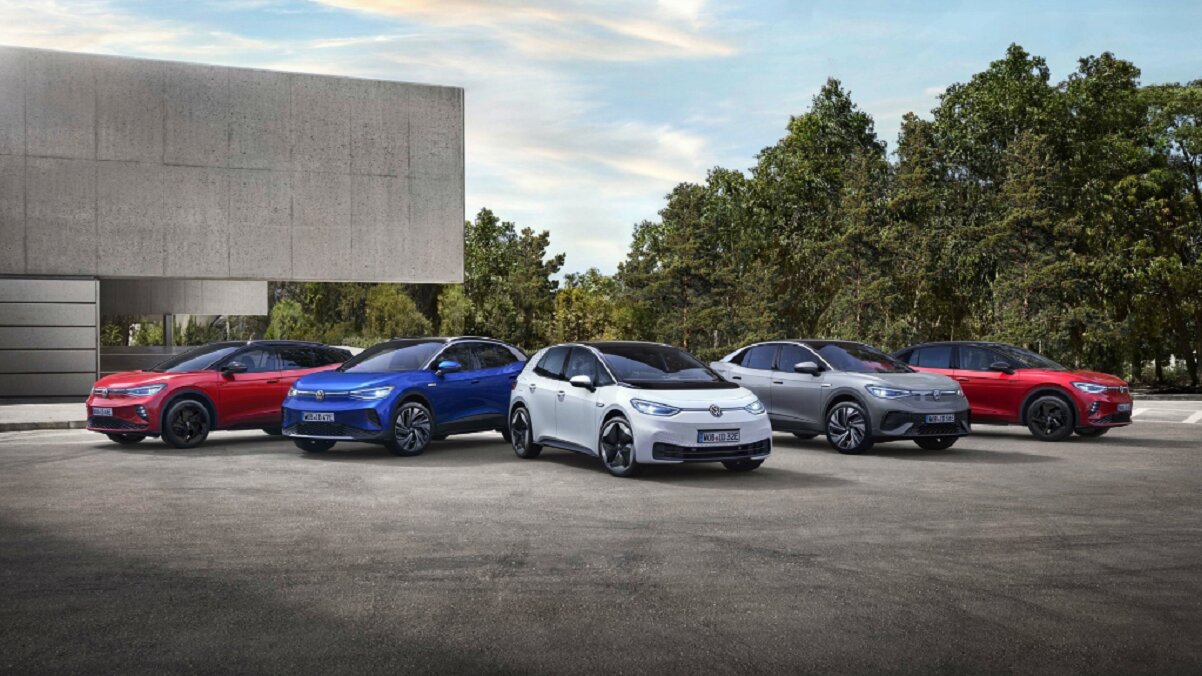

Beyond the Electrification of ID Model Vehicles, Volkswagen is Now Investing in Sustainability Inside Its Products. The Company is Using Coatings Made from Recycled Materials for the Interior of Its Electric Vehicles Around the World.
Aiming for an even more sustainable future for its operations, Volkswagen has announced another ESG initiative this Tuesday (02/28). The company is adopting the use of recycled materials for the interior lining of its electric vehicles, applying sustainability throughout the production process. The ID vehicles will ensure even greater environmental commitment over the coming months, enhancing the company’s green initiative in the global market.
Volkswagen ID Electric Vehicles to Feature Interior Linings Made from Recycled Materials in New Sustainability Initiative
The Volkswagen ID family, comprised of increasingly cleaner electric vehicles, is set to become fully sustainable.
The automotive company has launched a new initiative to ensure even greater environmental commitment in the production process of its vehicles: the use of recycled materials in the interior lining.
-
End of an era in Brazil: beloved sedan by Brazilians is discontinued despite having a 2.0 engine with 151 hp, CVT transmission, 466-liter trunk, and up to 650 km of range.

-
New Law Proposal in Brazil Could Heavily Penalize Drivers: Dangerous Overtaking May Become a Serious Offense with Fines Increased Tenfold and a 12-Month License Suspension; Update on 2026 Progress

-
Electric Revolution: Watts W125 Motorcycle Offers 160 km Range, 90 km/h Speed, and Affordable Price Starting at $3,000
-
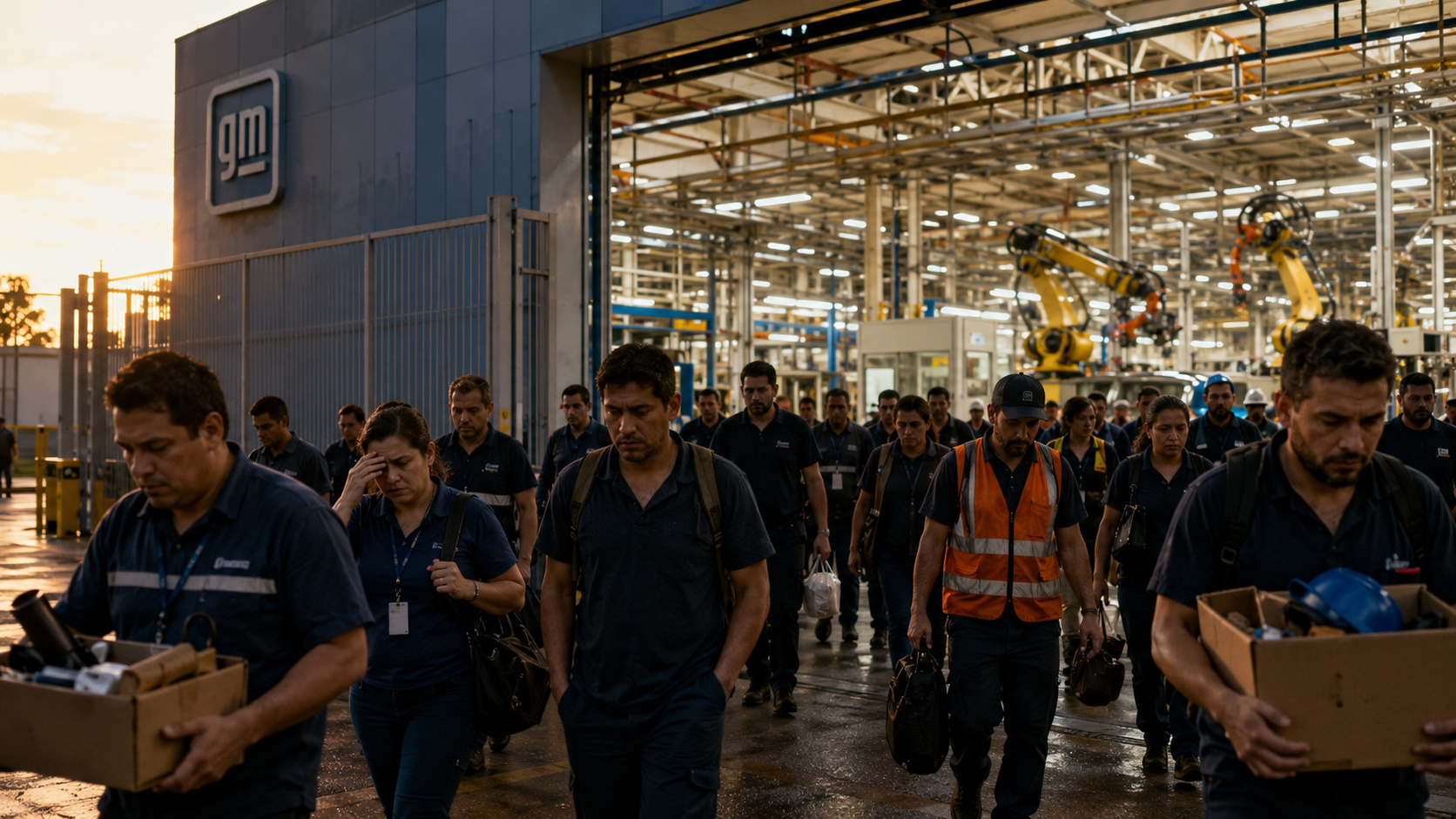
General Motors Replaces Over a Thousand Workers with 50 Cobots at Electric Vehicle Plant, UAW Union Criticizes Move Amid Industry’s Automation Push


The electric vehicle models ID.3, ID.4, ID.5, and ID.7 will feature the company’s latest technology, previously used in the ID. Buzz.
This involves Seaqual yarn as material for seat coverings. It contains 10% marine litter collected and 90% recycled PES yarn (PET bottles).
This way, the use of recycled materials in production ensures a 32% reduction in CO2 emissions compared to other conventional materials.
Additionally, the entire ceiling and floor surface of Volkswagen’s ID electric vehicles will be lined with recycled polyester. They will also be found in the insulating layer of the carpet, as well as the underbody lining and the wheel arch linings of the wheels.
Volkswagen has already been adopting sustainability practices, such as replacing chrome in the production of electric vehicles, as this is a harmful process to the environment.
Now, with the use of recycled materials in the production chain of the ID models, it ensures an even greater step toward a more sustainable future.
The recycling innovations used in the ID Buzz will be gradually implemented in the other models in the company’s ID line, enhancing its sustainability.
Learn More About the ID.3 and ID.4
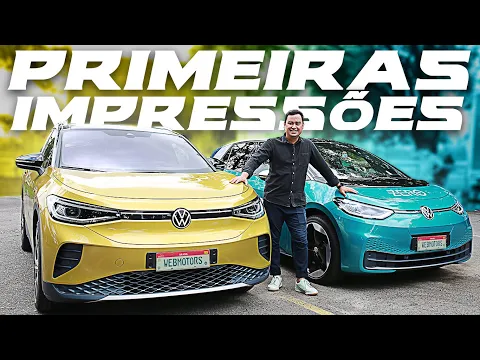

Volkswagen Strengthens Environmental Commitment with the Use of Recycled Materials in the Interior Lining of ID Electric Vehicles
Recycled materials are those that go through reuse processes for new applications in the production line of various products, including vehicles.
The automotive sector remains one of the major polluters across all segments of the global market. However, companies like Volkswagen are investing in new sustainability initiatives to change this scenario.
In addition to always offering the same characteristics as conventional materials, the use of recycled materials in ID electric vehicles reinforces the company’s commitment to a more sustainable future.
Silke Bagschik, head of Volkswagen’s electric mobility product line, highlighted the importance of investments in sustainability.
“Through the widespread use of recycled materials and leather-free interiors in ID models, we are enhancing the ecological balance of our vehicles — with high demands for haptics and long-term quality. Feedback from our customers confirms that we will continue to expand these sustainable approaches in the future,” she said.