






 Portuguese
  Spanish
  4 min of reading
  0 comments


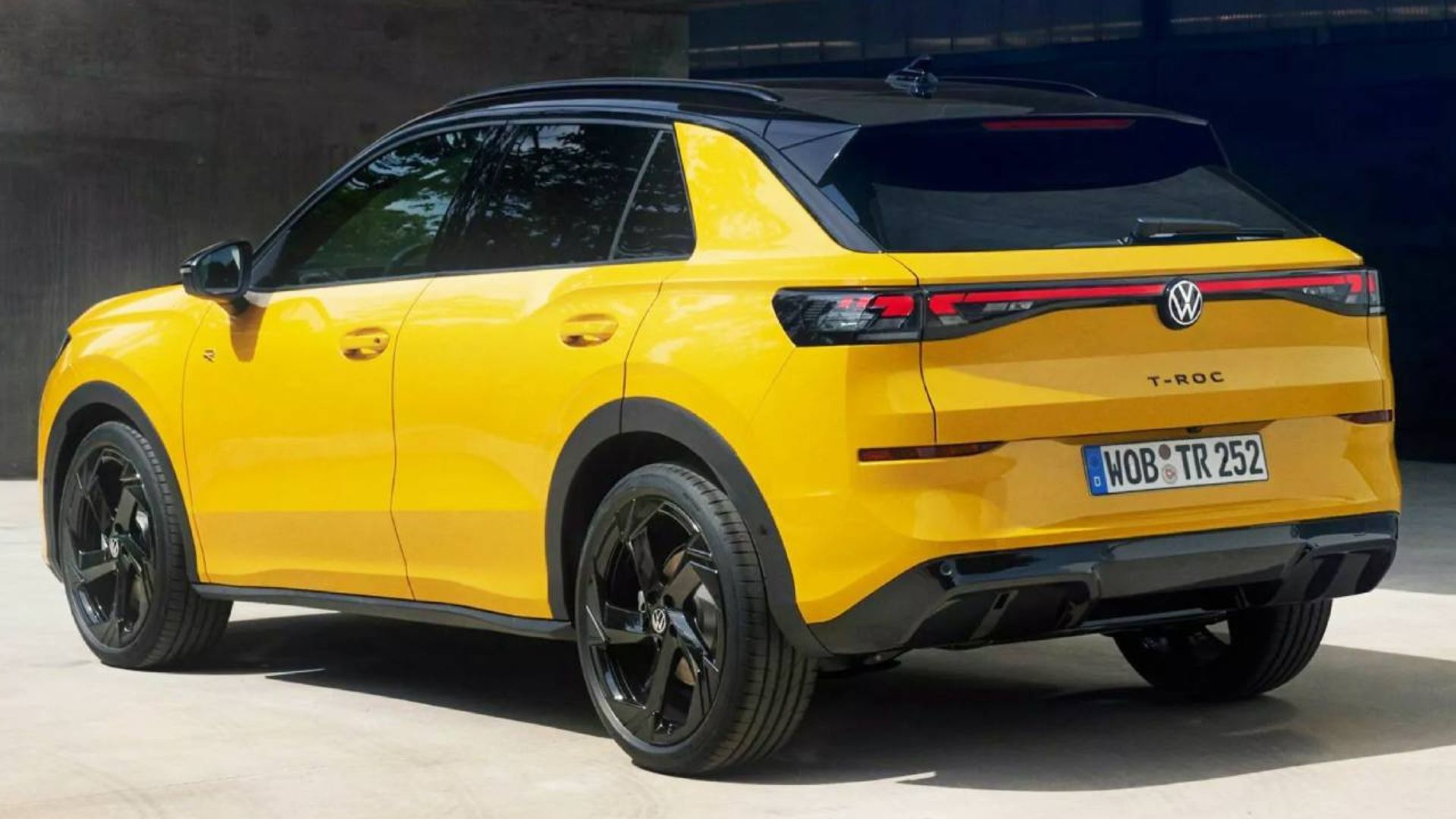
New European SUV from Volkswagen Launches Generation Focused on Electrification, More Interior Space, Advanced Driver Assistance Package, and Sporty Design, While Anticipating Technical and Technological Paths That Should Influence Future Releases of the Brand in the Brazilian Market.
Volkswagen has started orders for the new generation of the T-Roc in the United Kingdom, with prices starting at £31,620.
In addition to the visual renewal, the SUV arrives in the European market bringing technologies such as a parking assistant with mobile remote control and an expanded trunk for 475 liters, reinforcing its practical proposition.
At this initial moment, the range is offered exclusively with the 1.5 eTSI mild-hybrid engine with 48 volts, available in two power calibrations.
-
New Honda HooRide 125 scooter debuts in China with ADV styling, 17-inch wheels, TFT panel, Smart Key, and fuel consumption of up to 47.17 km/l, aiming to resemble an urban X-ADV with a 125 engine, CVT transmission, and an economical proposal for cities.

-
Volkswagen focuses on ethanol and tests a Saveiro 100% alcohol-powered with a recalibrated engine; the project may ensure tax reduction, targets corporate fleets, and revives technology that lost ground since the arrival of flex-fuel vehicles in 2003.

-
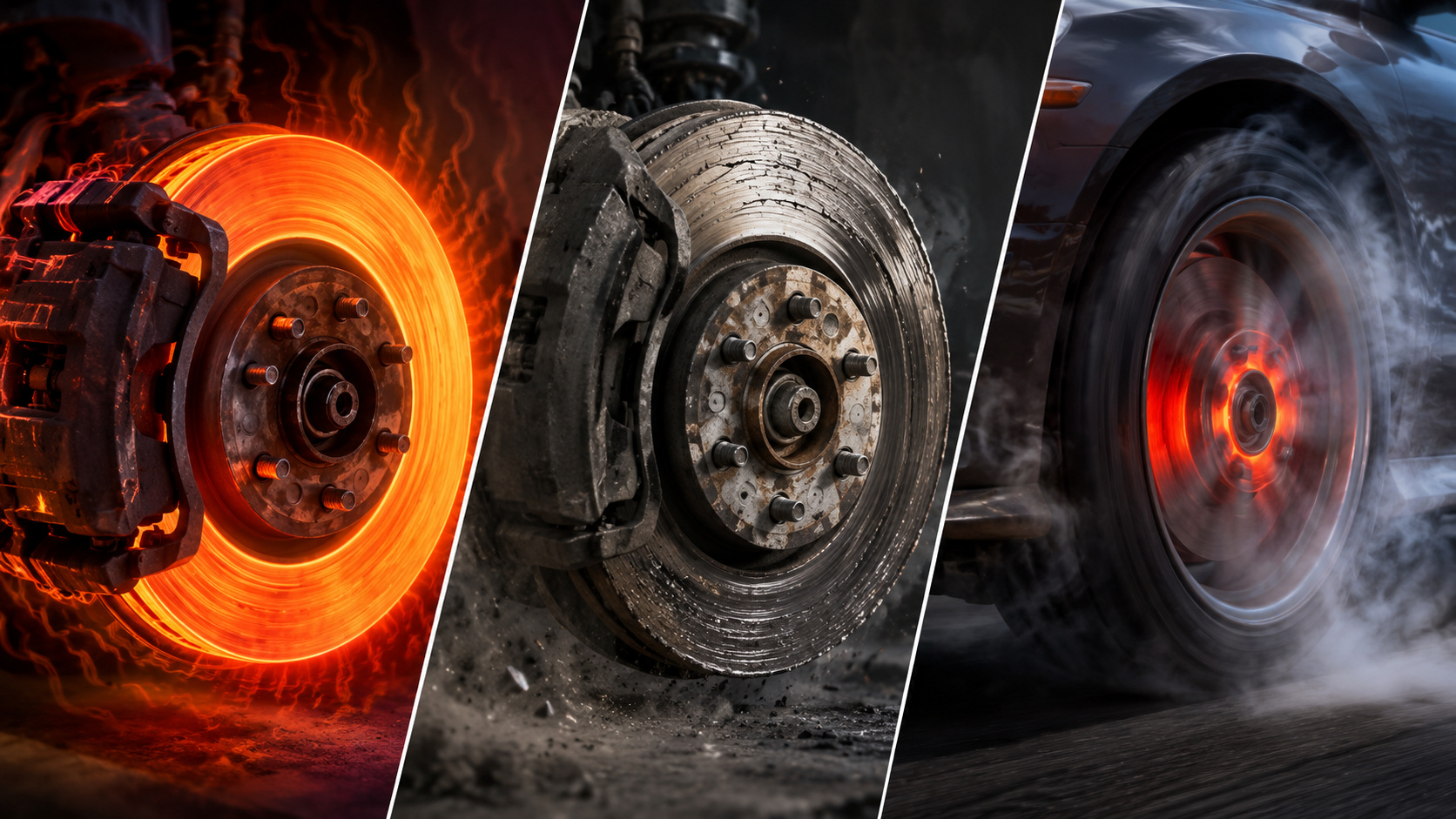
Keeping your foot lightly on the brake pedal while driving may seem harmless, but mechanics warn: this habit generates constant heat, wears out the pads too quickly, and can warp the discs, making braking expensive and dangerous.

-
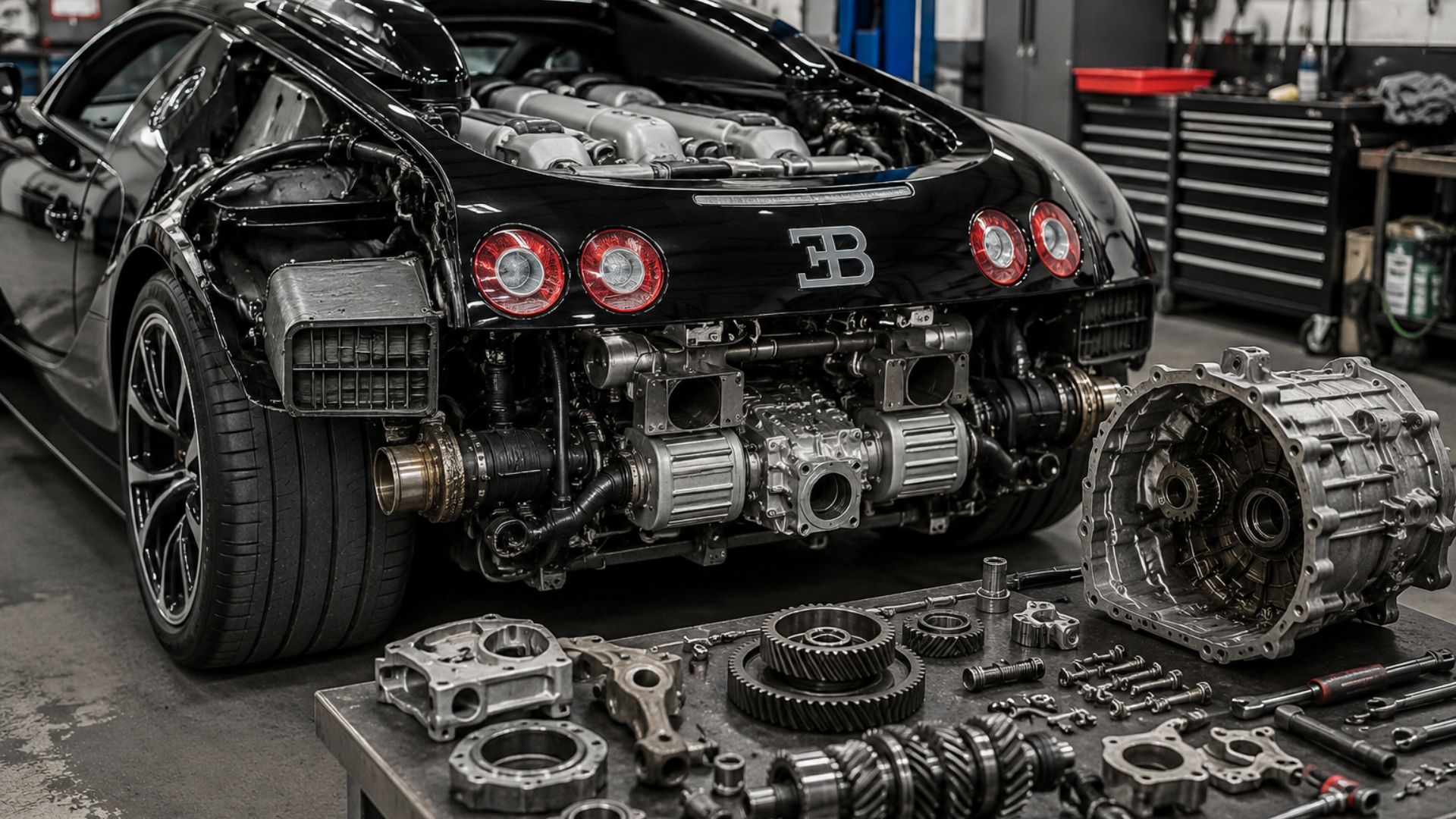
The YouTuber Mark McCann bought a Bugatti Veyron for almost $1.2 million, but discovered that the supercar’s gearbox is so damaged that even Bugatti itself won’t accept to repair it, and the repair could cost a fortune.


Another central point of the renewal is the adoption of the MQB Evo platform, the brand’s latest technical base, already prepared to receive different levels of electrification.
Positioning of the Volkswagen T-Roc 2026 in the Global Line
Within Volkswagen’s European range, the T-Roc occupies an intermediary space between the T-Cross and the Tiguan.
As a result, the model begins to concentrate a more robust package of content, finish, and connectivity, in addition to expanding the offer of advanced driver assistance systems.
In the British market, the line starts with the Life version, advances to the Style, and reaches the R-Line, which concentrates the most sporty visual proposal.
Despite the name, the R-Line prioritizes aesthetic identity and differentiated finish, without mechanical changes aimed at performance.
The presence of the MQB Evo platform also allows accommodating current mild electrification and paves the way for more advanced hybrid versions in the model’s lifecycle.
Larger Trunk and Focus on Family Use

One of the most objective advances of the new T-Roc appears in the cargo capacity.
According to Volkswagen, the trunk has grown 30 liters compared to the previous generation, reaching 475 liters with the rear seats in the normal position.
This volume helps position the SUV as a family-use option, even while maintaining a sportier design in the higher versions.
In Brazil, the comparison with the Nivus is recurrent, but the European T-Roc presents different stature, proposal, and positioning.
So far, Volkswagen has not confirmed the sale of the T-Roc 2026 in the Brazilian market.
Technical Interior with 12.9-Inch Center
Inside, the T-Roc 2026 follows the latest standard adopted by Volkswagen in Europe.
The set includes a 10-inch digital instrument panel and a 12.9-inch multimedia center, forming the core of the digital environment.
As an option, the SUV can receive a head-up display, which projects information directly into the driver’s field of vision.
The connectivity package includes wireless charging for smartphones, while more complete versions offer seats with massage function.
These items are primarily concentrated in the mid and high configurations of the line.
Matrix Headlights and New Light Signature
Externally, the new T-Roc adopts a more striking light signature.

Among the options are the Matrix IQ.Light headlights, which are part of the brand’s advanced lighting strategy.
This package includes a Volkswagen logo illuminated at the front and a light strip connecting the headlights.
At the rear, all versions come with a continuous LED light bar, accompanied by the illuminated logo.
The set reinforces the visual identity of the SUV, especially during night driving.
Remote Parking Assistant and Semi-Autonomous Driving
Among the technological highlights, the Park Assist Pro stands out for automating maneuvers.
The system is capable of memorizing parking routes and executing them automatically at distances of up to 50 meters.
In addition, it allows controlling the entry and exit from the spot remotely via smartphone, without the driver being inside the car.
Another available feature is the Travel Assist, aimed at highway use.
This system reacts to variations in the speed limit and assists in automatic lane changes, according to the vehicle’s configuration.
There is also an exit alert, which warns occupants about the approach of vehicles or bicycles before opening the doors.
1.5 eTSI Mild-Hybrid Engine with 48 Volts

At the European launch, the T-Roc is offered exclusively with the 1.5 eTSI engine.
The set utilizes 48-volt mild-hybrid technology, which combines an internal combustion engine and an auxiliary electrical system.
The declared powers are 116 hp and 150 hp, always associated with the seven-speed dual-clutch automated transmission in the United Kingdom.
The system features a belt-driven starter generator, auxiliary battery, and dedicated electronics to support electric operation.
Volkswagen has also confirmed that the model will later receive two full hybrid options.
Connections with Volkswagen’s Strategy in Brazil
In Brazil, the 1.5 TSI Evo2 engine is identified as a central part of the brand’s technological update strategy.
Production is scheduled for the factory in São Carlos, in the interior of São Paulo, as a replacement for the current 1.4 TSI.
This engine is pointed out as the basis for future flex hybrids, aligned with efficiency and emissions requirements.
In structural terms, the evolution of the MQB platform seen in the European T-Roc is considered a reference for regional projects.
Still, there is no official confirmation regarding timelines, models, or specific dates for the Brazilian market.
With the T-Roc 2026 debuting in Europe with mild electrification, more space, and advanced assistance systems, which of these solutions will Volkswagen be able to incorporate into the next SUVs produced in Brazil without compromising the price positioning?





-

-

-

-

-

-

29 people reacted to this.