






 Portuguese
  Spanish


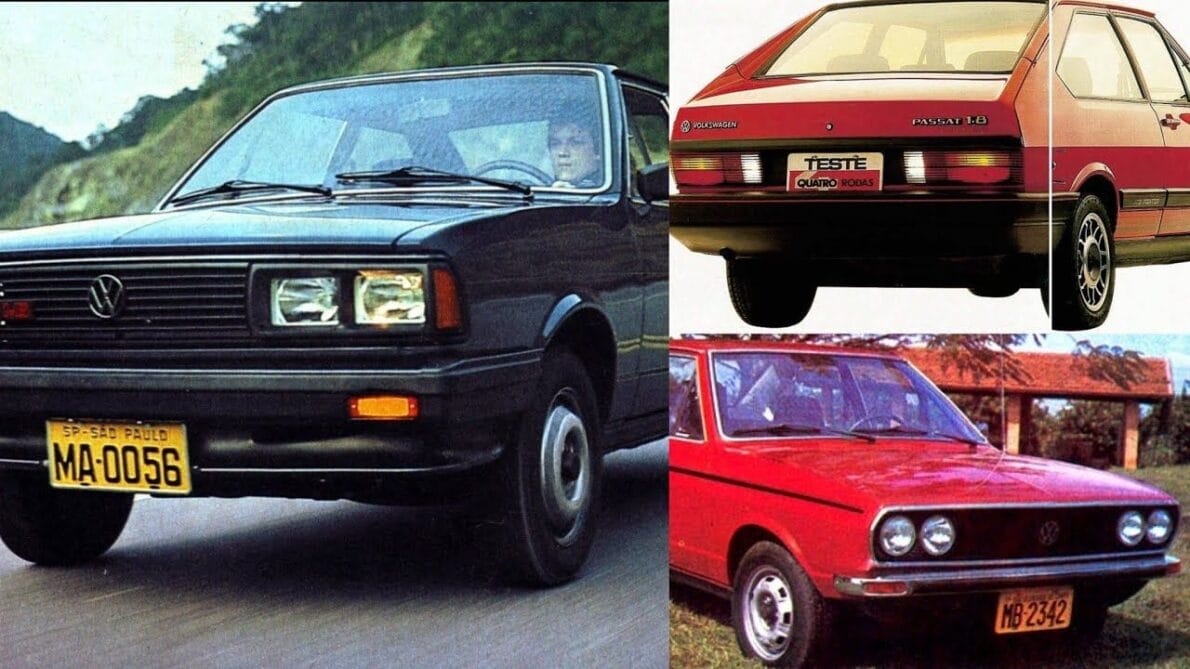

The Volkswagen Passat, iconic fastback that began its journey in Germany and won the hearts of many in Brazil, had its production terminated in 1988 due to competition with more modern models and a change in consumer preferences, thus ending an era of innovations and adaptations in the automotive market.
The Volkswagen Passat, an icon of the automotive industry, ceased production due to market factors, after a remarkable journey that started in Germany and spread worldwide, including a significant presence in Brazil.
Launched in Germany in 1973, the Volkswagen Passat was the brand’s response to the need for modernization in the face of competitors who had already adopted water-cooled engines. Originating from Volkswagen’s acquisition of Auto Union in 1969, which brought front-engine and front-wheel drive technology with the K70, the Passat continued the innovation with the model based on the Audi 80.
Arriving in Brazil in 1974, the Volkswagen Passat quickly adapted to national taste
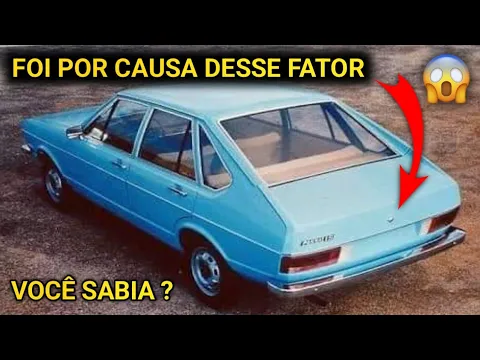

Arriving in Brazil in 1974, the Volkswagen Passat quickly adapted to national taste with its two-door fastback design, characterized by straight lines and circular headlights, which followed the trend of the time. Its four-door version, although rarer, marked the versatility of the model that also offered sporty and luxurious options over the years.
-
End of an era in Brazil: beloved sedan by Brazilians is discontinued despite having a 2.0 engine with 151 hp, CVT transmission, 466-liter trunk, and up to 650 km of range.

-
New Law Proposal in Brazil Could Heavily Penalize Drivers: Dangerous Overtaking May Become a Serious Offense with Fines Increased Tenfold and a 12-Month License Suspension; Update on 2026 Progress

-
Electric Revolution: Watts W125 Motorcycle Offers 160 km Range, 90 km/h Speed, and Affordable Price Starting at $3,000
-
General Motors Replaces Over a Thousand Workers with 50 Cobots at Electric Vehicle Plant, UAW Union Criticizes Move Amid Industry’s Automation Push


1.5 L Engine, The Passat Could Accelerate from 0 to 100 km/h in 16 Seconds
Initially equipped with a 1.5 L engine, the Passat could accelerate from 0 to 100 km/h in 16 seconds, with a top speed of 150 km/h. Subsequent versions introduced improvements, including the TS version with a 1.6 L engine producing 96 horsepower, and later, even more powerful engines that continued to evolve until the last models produced.
The Production of the Volkswagen Passat Was Officially Terminated on December 2, 1988
The production of the Volkswagen Passat was officially terminated on December 2, 1988. Competition with more modern internal models, such as the Volkswagen Gol and Santana, was crucial for this decision. Despite the end of production, the Passat left a lasting legacy, with 1990s models attempting, but failing to, replicate the success of earlier versions.
The Volkswagen Passat was not just a car, but a milestone in automotive evolution, both in Brazil and around the world, demonstrating Volkswagen’s ability to adapt and innovate in a competitive market.









Tive 12, para mim foi uns dos melhores carro que eu tive, sinto saudades.
Eu tenho 2 que já tem os adesivos nele de último dono. Ótimo carro.
Tenho um passat ts 1977, lindo