






 Portuguese
  Spanish


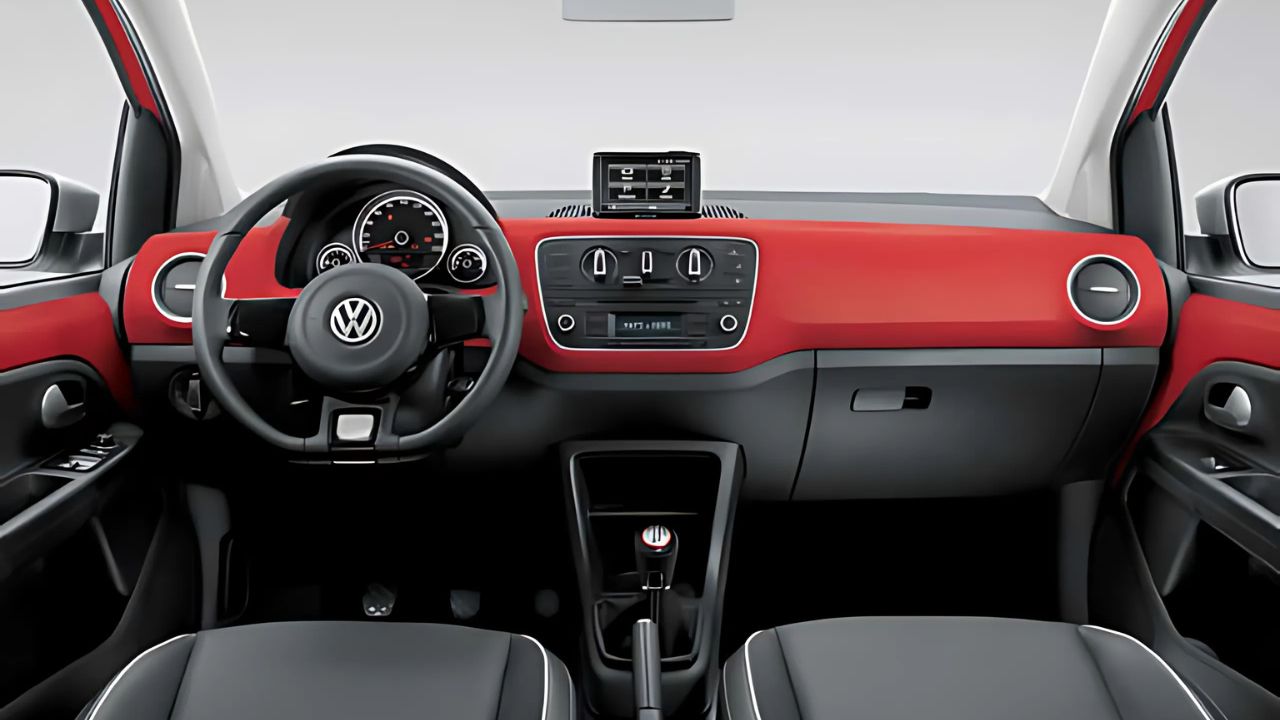


A Small Remarkable Car: Volkswagen Up! TSI 2016 Delivers Agile Performance, Efficiency, and Safety, But Left the Market Early.
What happens when a small car gets a powerful engine while remaining economical even in urban centers? That’s exactly what the Volkswagen Up! TSI 2016 achieved. Manufactured by Volkswagen at the Taubaté (SP) plant, the model was launched in Brazil as the 2016 line in mid-2015, featuring a 1.0 TSI turbo flex engine, reaching 105 hp with ethanol and 101 hp with gasoline.
It was designed to offer urban agility, low consumption, and safety – and it delivered on these promises. However, despite its merits, it was discontinued prematurely.
After all, why did such a praised car in terms of performance and efficiency have a short life in dealerships?
-
Uber Black Revamps Fleet, Drops Ten Car Models and Sets Deadline for Electric BYD Dolphin

-
Chinese Giant Uses Metal Structures and Cranes to Deliver Over 700 Electric Cars to Brazil

-
Uber Faces Shareholder Scrutiny as Board Accused of Ignoring Safety, Compliance, and Harassment Warnings Amid Over 3,500 U.S. Lawsuits
-
Ferrari’s First Electric Car Divides Fans, Priced at $630,000, Amid Concerns Over Limited Editions; Brand Clarifies It’s Not Just for Future Perks


In this article, we explain everything about the Volkswagen Up! TSI 2016, from the project’s origin to the positive aspects and recurring problems.
Origin of the Volkswagen Up!: From Germany to Brazil with Brazilian DNA
Before hitting Brazilian streets, the Volkswagen Up! was born as a concept at the Frankfurt Motor Show in 2007.
Its design was signed by the Brazilian Marco Antônio Pavone, and production in Europe started in 2011, in Slovakia.
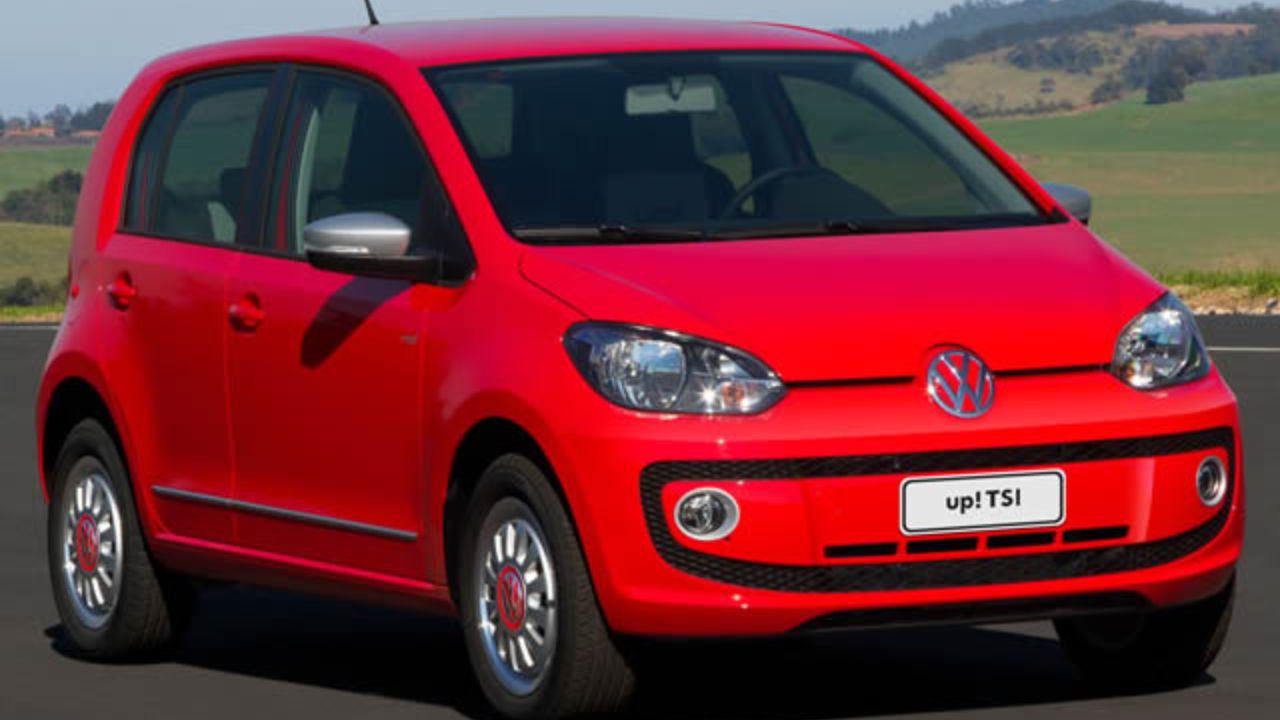
There, it replaced the old Lupo and was designed for four passengers, following the trend of so-called city cars, compact cars made for the city.
In Brazil, the Volkswagen Up! landed in 2014 with some important adaptations: it gained an extra 8 centimeters in length, came with a four-door version, and had approved capacity for five occupants.
All to meet the tastes and needs of the Brazilian consumer.
The Turbo Engine That Changed the Game: The Birth of the Volkswagen Up! TSI 2016
The significant turnaround came with the introduction of the 1.0 TSI engine, which transformed the quiet subcompact into a true urban rocket.
The Volkswagen Up! TSI 2016 delivered up to 105 hp with ethanol and 101 hp with gasoline, with a maximum torque of 16.8 kgfm already at 1,500 rpm. This in a car that weighs only 971 kg.
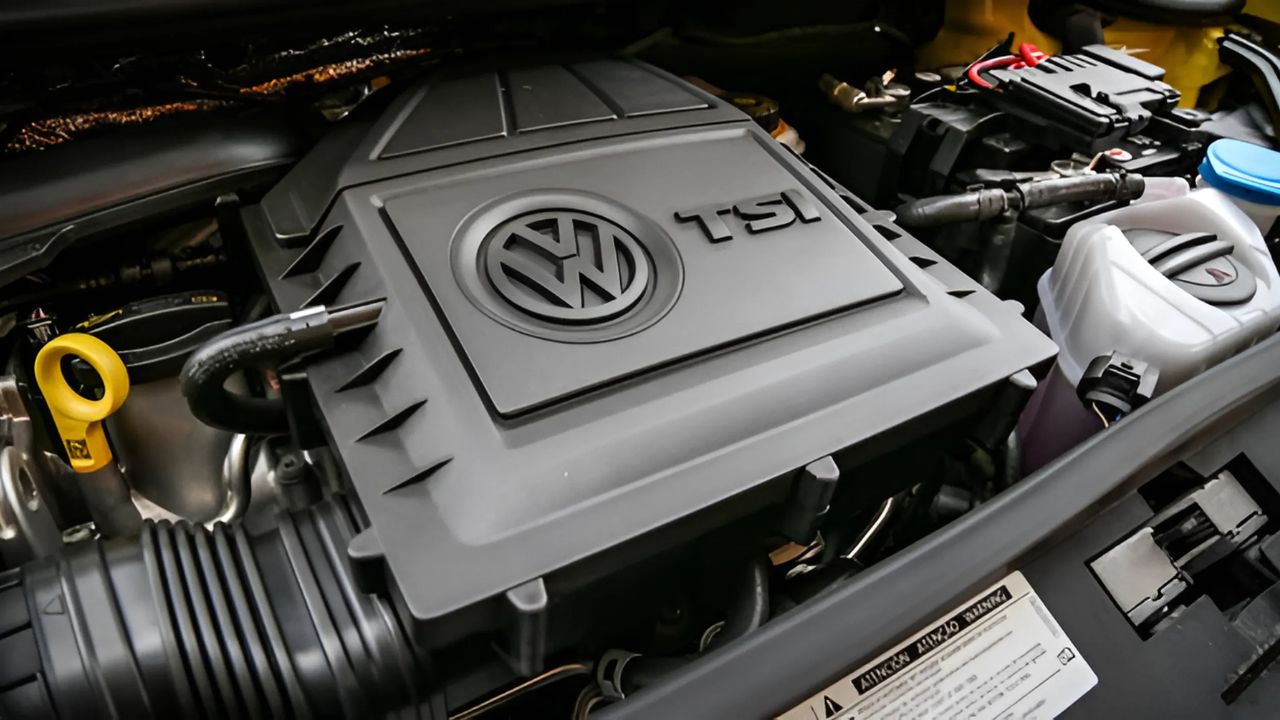
With this setup, the little car could go from 0 to 100 km/h in about 9 seconds, according to Volkswagen’s own data. Not bad for an urban model.
While not a sports car, the Volkswagen Up! TSI 2016 offers a fun drive, with a manual transmission featuring short and precise shifts.
Above-Average Efficiency
Even with a turbo engine, the Volkswagen Up! TSI 2016 maintained the economic DNA of the line.
In urban driving, it averages 9.6 km/l with ethanol and 13.8 km/l with gasoline.
On the highway, these numbers rise to 11.1 km/l (ethanol) and 16.1 km/l (gasoline). There are reports of drivers achieving more than 18 km/l with gasoline under ideal conditions.
This surprising performance is one of the main attractions for those looking for an economical, powerful, and reliable used car.
Safe and Firm Performance
Built on the MQB modular platform, the Volkswagen Up! TSI 2016 stands out for its firm driving dynamics.
The bodywork shows good torsional rigidity and stability in curves, while the electric steering is light and precise.
For many drivers, the experience is reminiscent of that of a go-kart – within reasonable limits.
Additionally, the Volkswagen Up! was one of the first compacts to achieve top scores in Latin NCAP tests, receiving a maximum rating of five stars for adults and four stars for children.
Comfort and Space
The Volkswagen Up! TSI 2016 is ideal for those who drive alone or in pairs in the city. The driving position is good, and the interior is functional.
However, rear space is limited, and the trunk only holds 285 liters.
After re-homologation, the model was approved for only four passengers, avoiding legal requirements such as a center armrest and three-point seatbelt.
Standard Features: What Does the Volkswagen High Up! TSI 2016 Offer?
The High Up! TSI 2016 version comes well equipped. In terms of safety, it includes:
- Front airbags
- ABS brakes
- Traction control
- Isofix
- Reverse sensor
In comfort, it provides:
- Air conditioning
- Electric steering
- Power windows and locks (only on front doors)
- Height-adjustable driver’s seat
- Leather seats
- Onboard computer
On the outside, the model features:
- 15” alloy wheels
- Fog lights
- Multimedia center with Bluetooth and USB input (GPS was optional)
Current Market Price: How Much Does a Volkswagen Up! TSI 2016 Cost?
FIPE table prices for the Volkswagen Up! TSI 2016
Model move 1.0 TSI Total Flex 12V 5p: R$ 48,609.00
Model high 1.0 TSI Total Flex 12V 5p: R$ 49,402.00
Model cross 1.0 TSI Total Flex 12V 5p: R$ 52,861.00
These values make it an attractive option among used cars, considering performance and consumption.
How Much Does It Cost to Maintain the Volkswagen Up! TSI 2016?
The mechanics of the Volkswagen Up! TSI 2016 are simple, but the turbo engine requires extra care. Here are the average prices for common parts:
- Rear shock absorber (pair): R$ 500 to R$ 700
- Fuel pump: R$ 500 to R$ 630
- Right headlight: R$ 480 to R$ 690
- Rear bumper: R$ 400 to R$ 780
- Brake pads (front set): R$ 130 to R$ 260
- Oil change + filter (4L 5W40): R$ 270 to R$ 380
- Spark plugs (3 units): R$ 90 to R$ 190
Specialized mechanics in TSI engines are recommended to avoid severe failures, especially regarding lubrication and fuel pump issues.
Common Problems and Recalls of the Volkswagen Up! TSI
Some negative points of the Volkswagen Up! TSI 2016 are:
- Suspension trays with premature wear
- Fuel pump with frequent failures
- Lack of comfort in the rear seat
- Vibrations in the brake and clutch pedals
Volkswagen also conducted recalls for the models:
- Airbags (2015-2017)
- Alternator (2016-2017)
- Suspension nuts (2017-2018)
- Steering signal software (2013)
- Fuel tank cap (2014-2015)
Why Was It Discontinued? Understand the Decline in Sales of the Volkswagen Up! TSI
The market positioning was one of the main mistakes.
The Volkswagen Up! TSI 2016 was launched with prices close to the Gol, a more spacious model and then a sales leader.
As a result: the Brazilian consumer, who values vehicle size, preferred to invest in larger cars like the Chevrolet Onix and the Hyundai HB20.
The decline in sales was evident:
- 2014: 58,000 units
- 2015: 54,000
- 2016: 38,000
- 2017: 34,000
- 2018: 20,000
- 2019: 13,000
- 2020: less than 7,000 units
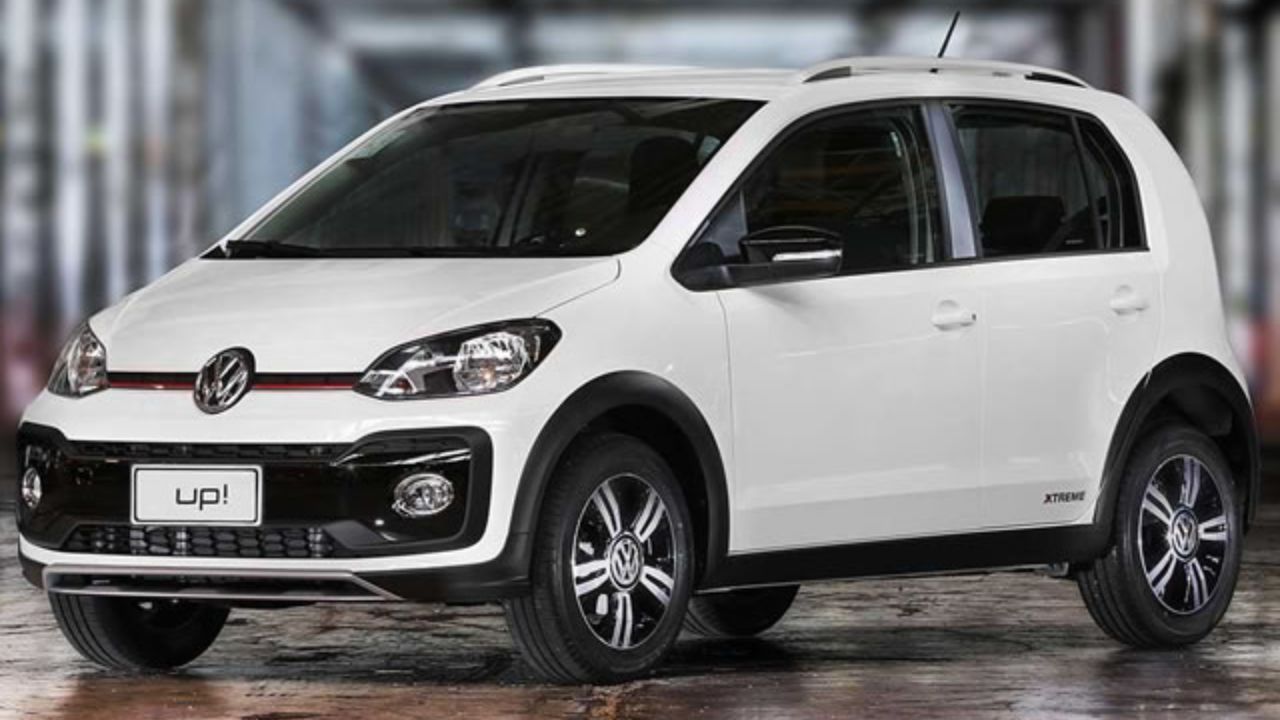
Starting from the 2020 line, only the Xtreme version remained, marking the model’s farewell.







Apenas uma correção, ele não compartilha a plataforma MQB, como afirma a matéria. O Up! Teve uma plataforma derivada da família PQ. Esse projeto no Brasil teve a Plataforma PQ12, que também foi um motivo da descontinuidade do modelo.
Tenho um 2014 nao vendo nao troco
Super econômico silencioso amo
Tive três TSI ,tenho um que não vendo não troco ,tácom minha esposa e ela adora ,vai ficar guardado TSI PEPPER 2019 /2019 ,vai ser carro de coleção .E ótimo pra viajar quem tem ou teve sabe .