






 Portuguese
  Spanish
  3 min of reading
  0 comments


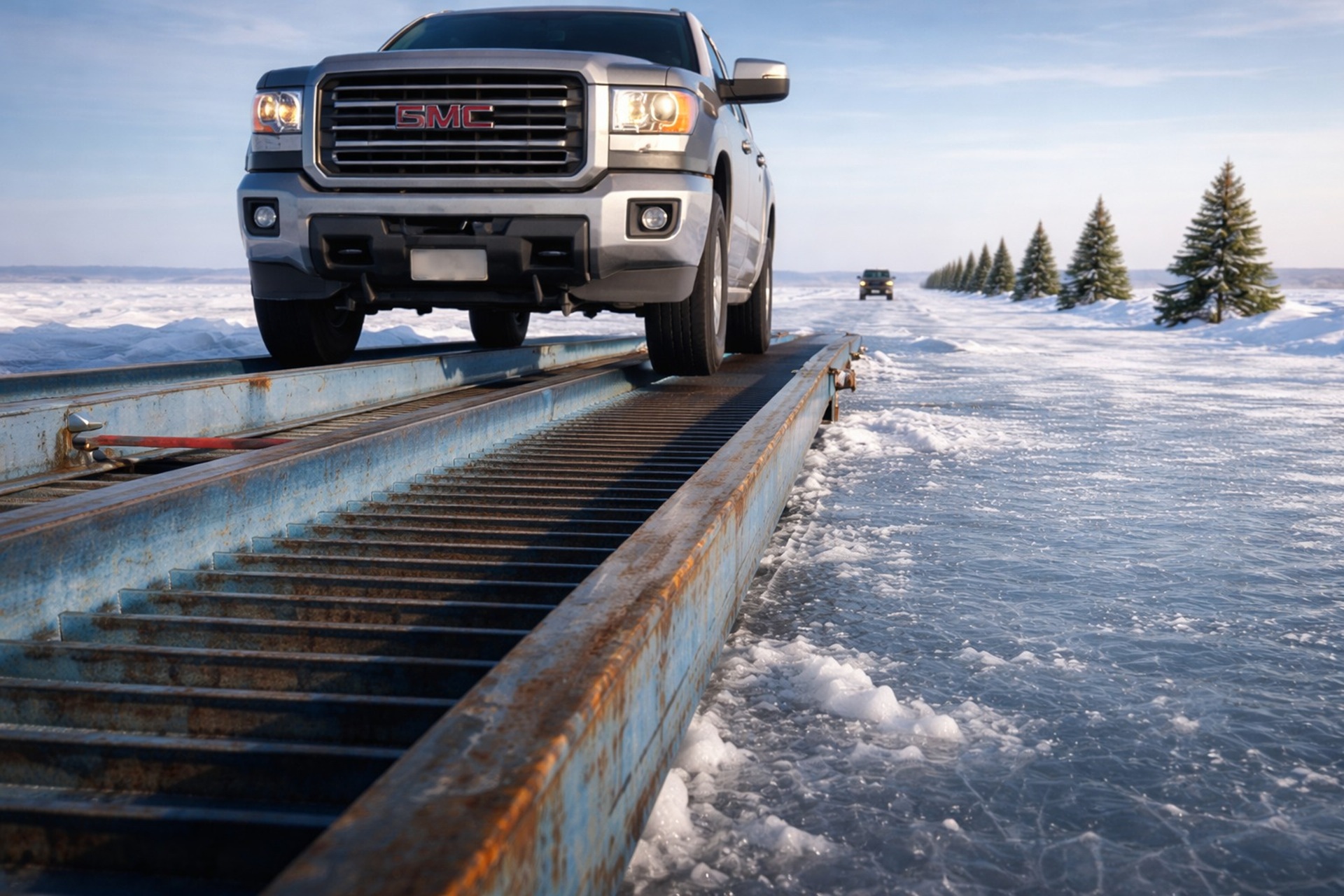
Structure Created By Volunteers In The State Of Wisconsin Crosses Frozen Lake Winnebago, Reducing Travel Time Between Oshkosh And Quinney From About An Hour To Just 20 Minutes, With Daily Use By Workers And Expectation Of Thousands Of Crossings During Sturgeon Fishing Season
A team of volunteers in the state of Wisconsin created an ice highway over Lake Winnebago, reducing the travel time between Oshkosh and Quinney from about an hour to just 20 minutes, transforming the local commuting routine.
Ice Highway Shortens Route By Crossing Lake Winnebago
The ice highway was built to avoid the traditional detour around the lake. Usually, those leaving Oshkosh heading to Quinney take about an hour driving around Lake Winnebago.
With the direct crossing over the frozen lake, the time drops to just 20 minutes. The initiative came from volunteers led by Don Herman, owner of Sunk? Dive and Ice Service.
-
Japanese fans transform NFL stadium into a global example of education at the 2026 World Cup; after a dramatic draw against the Netherlands, blue bags used in the celebration become a cleaning tool and the stands end up trash-free in the United States.

-
United Kingdom announces social media ban for under 16s

-
Human beings are ‘dumber’ and Generation Z’s IQ raises a global alert: for the first time in 100 years, studies indicate a decline in scores, but 70% of large companies already prioritize skills that tests created in 1905 cannot measure.

-
Brazilian military personnel march in an exercise that brought together more than 300 members of the FAB in São Paulo and included war dogs trained to restrain suspects and detect narcotics.




According to reports, local residents took advantage of the frozen lake to create the route that reduces travel time. The ice highway over Lake Winnebago reduces travel time and has been used by workers for daily commutes.
Structure Built With Snowplows And Reinforced Steel Bridges
In an interview with NBC News at the end of last month, Herman explained that volunteers use snowplows to clear the way over the ice.
In addition, reinforced steel bridges are installed over the lake to create a safe road for drivers. Herman stated that he has been rescuing vehicles that have fallen through the lake’s ice for decades.
“People use it to commute to and from work; it’s amazing,” Herman said. He added jokingly that the makeshift road was probably better than some roads in the area.
The ice highway undergoes constant adjustments as ice conditions change over the days.
Signs With Christmas Trees Guide Drivers
To guide those using the ice highway, volunteers set up a row of Christmas trees leaning toward the nearest shore. They indicate the distance in miles along the route.
At the midpoint of the crossing, there is a row of five trees. The signage serves as a visual reference for those crossing the frozen lake.
There is also an important warning. If a tree is fallen on its side or upside down, the signal is for drivers to stay away from that area.
According to Adam Ecker, a member of the Quinney Fishing Club, the disappearance of the trees is a good sign, indicating that it should be safe. He emphasized, however, that the ice is never 100% safe, but that they should feel at ease.
Safety Warnings And Constant Changes In The Ice
Herman told NBC that no ice is 100% safe and that drivers need to make their own judgment before heading out. The ice highway was designed to help save time, but it comes with a warning.
As the ice is not static, volunteers need to move the path when cracks appear. This can happen several times a day.
“Just because you use this road on Monday or Tuesday doesn’t mean it can’t change,” Herman added.
He also stated that one vehicle has already fallen through the ice. The driver escaped unharmed, but the other vehicle is still at the bottom of the lake.
Herman estimates that thousands of people will cross the ice highway every day when the sturgeon spear fishing season begins. There is an expectation of increased traffic during this period.
The initiative transformed a route of about an hour into a journey of 20 minutes, altering the dynamics of local commuting during the freezing period on Lake Winnebago.






-

-

-

-

4 people reacted to this.