






 Portuguese
  Spanish





With 13 Liters, 540 Horses and I-Shift + I-See Package, the Volvo FH 540 Focuses on Efficiency, Safety, and Comfort for Heavy-Duty Operations
The Volvo FH 540 has established itself among heavy trucks in Brazil thanks to its D13K engine, 12-speed automated transmission, and electronic assistive systems that prioritize fuel economy on the road. The proposal is simple and straightforward: maintain high productivity with lower diesel consumption, a crucial factor in extensive logistical corridors.
In practice, the Volvo FH 540 combines power and predictability in consumption by marrying torque maps with electronic shifting strategies. On long-haul routes, the truck benefits from I-See, which reads the topography and anticipates the best gear and throttle position, helping to reduce spikes in consumption and unnecessary RPM variations.
Engine and Transmission: Where Power Meets Efficiency
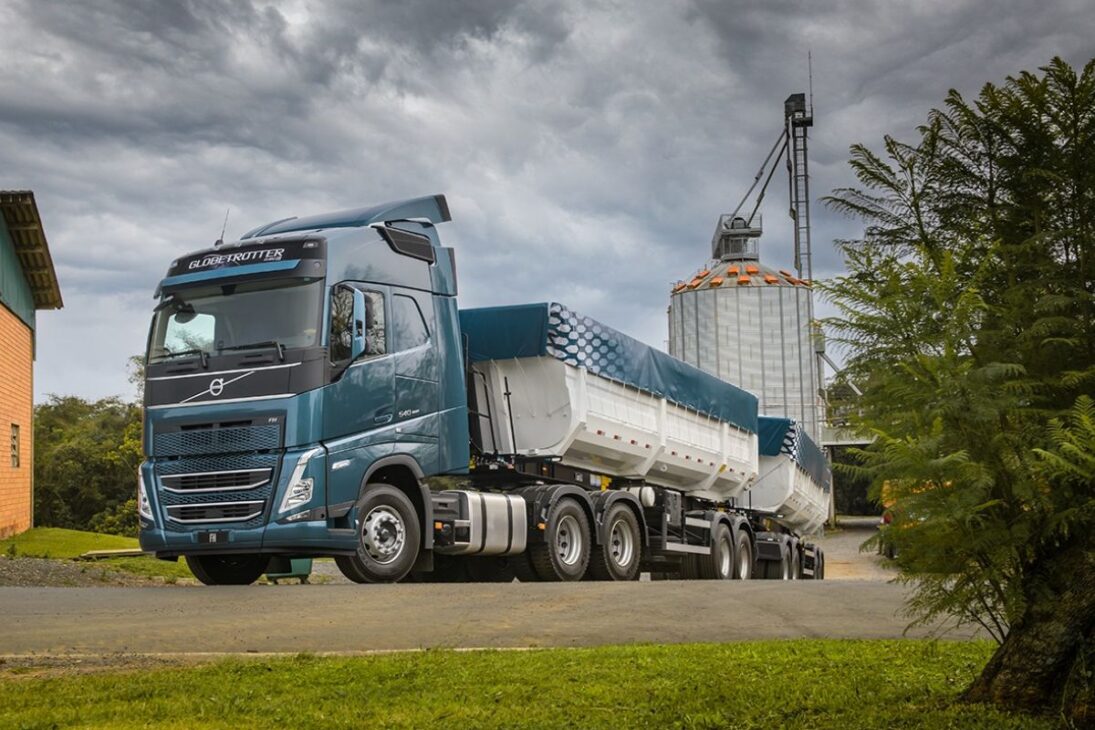
The heart of the unit is the D13K, a six-cylinder inline engine with 13 liters, calibrated for 540 hp and 265.3 mkgf of torque.
-
Nissan Kicks S Direct 2018: Affordable Used SUV with Over 13 km/l Fuel Efficiency, 432-Liter Trunk, and CVT Automatic Transmission

-
Iconic Orange Double-Decker Bus, a Dutch Fan Favorite for Over 20 Years, Arrives in Texas for the World Cup After Touring Brazil, England, Qatar, and More
-
$100 Million Hypercar Collection, Including Ferrari LaFerrari and McLaren Speedtail, Found Abandoned at Los Angeles Airport
-
Hyundai ix35 2019: A Forgotten SUV with 2.0 Engine and 650 km Range Costs Less Than a New Kwid in Brazil


This wide and flat torque range facilitates acceleration with heavy loads and reduces unnecessary gear shifts.
The goal is to operate the engine “full” at lower RPMs, saving diesel without sacrificing performance.
Coupled to the engine is the 12-speed automated I-Shift transmission, which executes shifts with precision and prioritizes the available power.
In addition to reducing driver fatigue, I-Shift communicates with the engine and with the assistive systems to avoid RPM drops or “hunting” for gears, especially in varied terrain.
I-See in Practice: Lower Actual Consumption in Mountain and Plateau Sections
The I-See uses elevation data to anticipate climbs and descents, adjusting acceleration, engine braking, and gear shifts.
On hilly sections, the system “loads” the truck before the climb and lets it “coast” down the descent, recovering kinetic energy that would otherwise be lost on the brake pedal.
In long-distance line operations, transporters report a noticeable decrease in fuel consumption per kilometer and greater consistency in averages.
The advance reading of topography combined with I-Shift management smooths driving and reduces RPM spikes, which translates to more predictable autonomy and better fuel tank utilization.
Aerodynamics, Safety, and Comfort: More Than a Detail, Part of the Result

The FH cabin has received aerodynamic improvements in recent generations, with more rounded surfaces, deflectors, and LED lighting.
Less drag means less effort against the air, which weighs on flat surfaces and makes a difference in operational costs.
In terms of safety, the package includes EBS with ABS, VEB+ (engine brake), as well as aids such as lane departure warning, blind spot monitoring, and collision prevention.
Inside the cabin, digital dashboard, efficient climate control, and well-placed controls reduce fatigue on long journeys.
Comfort is not a luxury in heavy fleets, it’s part of risk management and consumption, because a rested driver drives more steadily.
Configurations and Application: Traction, Suspension, and Freight Suitability
The Volvo FH 540 offers 4×2, 6×2, and 6×4 configurations, with spring or air suspension, catering to everything from general cargo to heavy combinations.
The choice of arrangement directly impacts consumption, available traction, and tire wear, which is why it’s common for fleet operators to adjust the package to the type of route and total gross weight.
In fleets that cross axes like the Midwest and North, the combination of gear ratio, I-Shift calibration, and tires is crucial for stabilizing averages.
When the configuration is correct, the truck “runs free” and consumes less, maintaining cruising speed with the engine at low RPM.
Maintenance and Availability: Controlled Costs Start in the Workshop
Structured service plans and software updates keep the unit in its most efficient range.
Oil changes and filters at appropriate intervals, checking the VEB+ and the cooling system, and inspecting running items prevent performance losses that translate into extra consumption.
For operations that cannot stop, monitoring telemetry and preventive codes helps schedule short stops and preserve asset availability, which is the most expensive variable when out of route.
The Volvo FH 540 combines robust torque, driver-friendly electronics, and aerodynamic adjustments to deliver lower actual consumption on long routes, without compromising safety and comfort.
When the D13K engine, I-Shift, and I-See system work in alignment with the application, the results show in diesel, tires, and delivery time.
Do you operate with the Volvo FH 540 or compete with it in your daily operations? In which stretch does the I-See save the most diesel on your route and what configuration adjustment made a difference in your averages? Share in the comments how it worked in practice and which calibrations yielded results in your freight.








Na reportagem é tudo muito bonito, mas o meu caminhão comprado em julho de 2025, já deu problema na primeira viagem, depois de muitas trocas de peças e sem descobrir o problema perdendo tempo e dinheiro foi descoberto DUAS CAMISAS DO POSTÃO trincadas. A Volvo se recusou de fazer a manutenção completa e trocar as 6 camisas, fiquei 18 dias parado sem faturamento nenhum, e hoje estou com um caminhão com 25k rodados e já fez o motor parcialmente e não sei se o problema foi resolvido, pois eles não sabem o que ocasionou a trinca nas camisas.