Portuguese
  Spanish


The brand that became synonymous with soy sauce in Brazil celebrates 85 years earning close to R$ 400 million, with an expanded factory and a fermentation patent it wants to take to the world
Sakura soy sauce, present on almost every table and restaurant kitchen in the country, started small in a village in the eastern zone of São Paulo and today dominates three out of every four bottles sold in Brazil. The brand reaches 85 years as the absolute leader of a market it helped to create.
Sakura soy sauce is manufactured by Sakura Nakaya Alimentos, founded in 1940 by a Japanese immigrant in Vila Carrão. The company is expected to close 2025 with about R$ 400 million in revenue, holds 75% of the soy sauce market in the country, and has just completed an expansion of a US$ 31 million factory, aiming to multiply its exports in the next decade.
From a house in Vila Carrão, in 1940
The story begins with the Nakaya family, who arrived in Brazil on May 13, 1932. Eight years later, on October 2, 1940, Suekichi Nakaya founded the company in Vila Carrão, in the eastern zone of São Paulo, at the same address where the headquarters still operates today.
-
Brazilian Energy Agency Announces August Electricity Bill Discounts; Find Out Who Qualifies

-
Subway Fare Rises to R$ 6 in Belo Horizonte, Brazil; Combined Tickets Reach R$ 14.20
-
Food Waste in Brazil’s Campinas Transformed into Compost to Cut Methane, Leachate, and Greenhouse Emissions

-
Brazil’s Gross Public Debt Surges to 81.1% of GDP in May, Raising Concerns with $107.5 Billion in Interest Payments


What was once an artisanal production of soy sauce became professionalized over the decades. According to Times Brasil, a partner of CNBC, the leadership passed to Renato Nakaya, the founder’s son, who took over in 1984 and now chairs the board. Family continuity is a central part of the brand’s identity, and helps explain the company’s consistency over four generations of consumers.
How Sakura soy sauce reached 75% of the market
The number that defines the size of the company is the market share. According to Times Brasil, Sakura soy sauce accounts for 75% of all soy sauce sold in Brazil, a rare dominance in the soy sauce market and in any food category. In practice, the brand became synonymous with the product itself, as happens with few in the national retail market.
This leadership is not limited to soy sauce. The company is the largest producer of soy sauce and miso in Latin America, leads the liquid sauces market, and is also the largest manufacturer of hot sauce in Brazil. Being a leader in several categories at the same time is what gives it bargaining power with retailers, ensuring presence on shelves from north to south.
R$ 400 million and an expanded factory in Boituva
The financial strength accompanies the market dominance. The company is expected to grow about 5% and close 2025 near R$ 400 million in revenue, according to a report by Mercado & Consumo, published on the eve of its 85th anniversary.
To support the growth, Sakura invested US$ 31 million, about R$ 170.5 million, in the expansion of the Boituva factory, in the interior of São Paulo. The construction, which began two years ago, was completed in December 2024 and added capacity for more 200 thousand liters of soy sauce per month. The new unit was designed to use less water and eliminate the use of fossil fuels in production.
An international fermentation patent
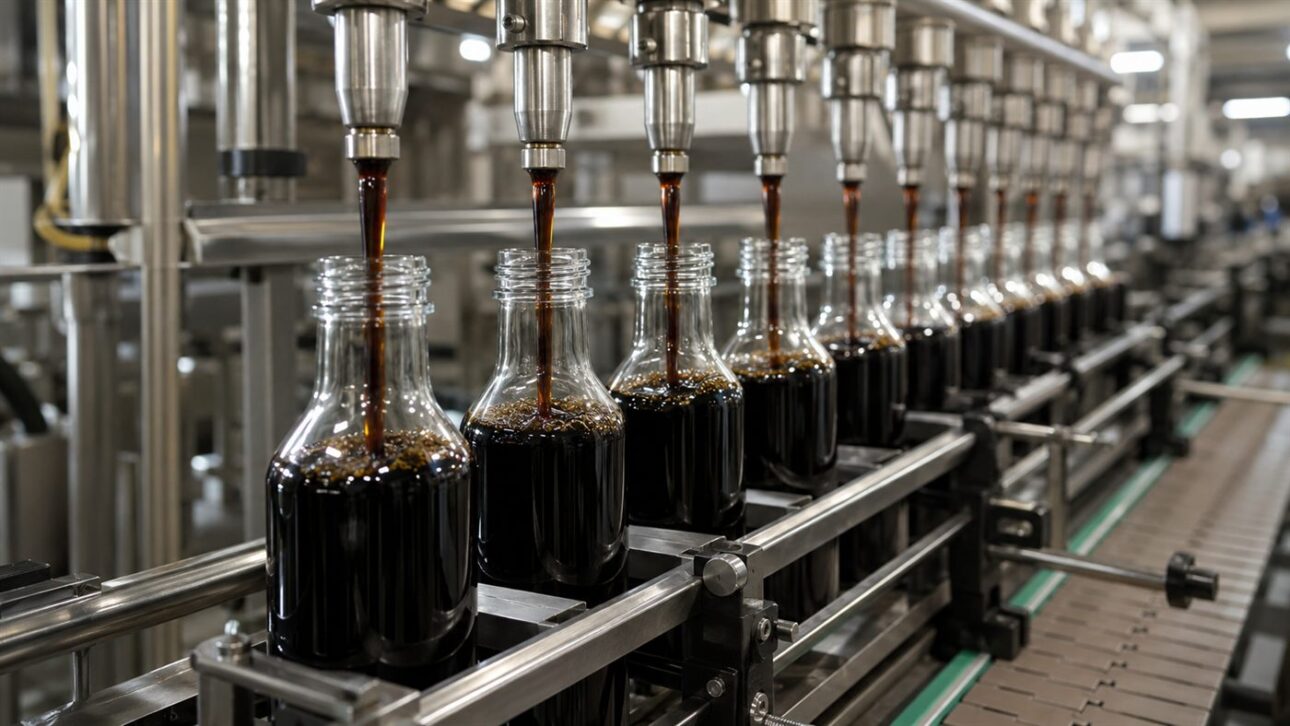
The company’s technological asset goes by the name of Shoyu Kin. Launched in 2020, the product earned the company an international patent related to the fermentation process, something uncommon for a food manufacturer in Latin America.
This detail matters because fermentation is exactly what separates a mediocre soy sauce from a good one. Mastering and patenting a proprietary method gives the brand a hard-to-copy advantage and, most importantly, a selling point abroad, where quality soy sauce is valued and contested by traditional Asian brands.
Much more than soy sauce
Those who associate the company only with soy sauce are unaware of the size of its portfolio. Since 1973, the company has operated the Kenko brand, which includes salad dressings, preserves, ketchup, and mustard, expanding the company’s presence far beyond Asian cuisine.
In total, the catalog exceeds 320 different seasonings and sauces, and the production of miso alone reaches 60 tons per month. This diversification is what protects the revenue, because it dilutes the dependence on a single product and allows the brand to occupy various shelves in the same supermarket.
50 thousand bottles and 350 thousand sachets per day
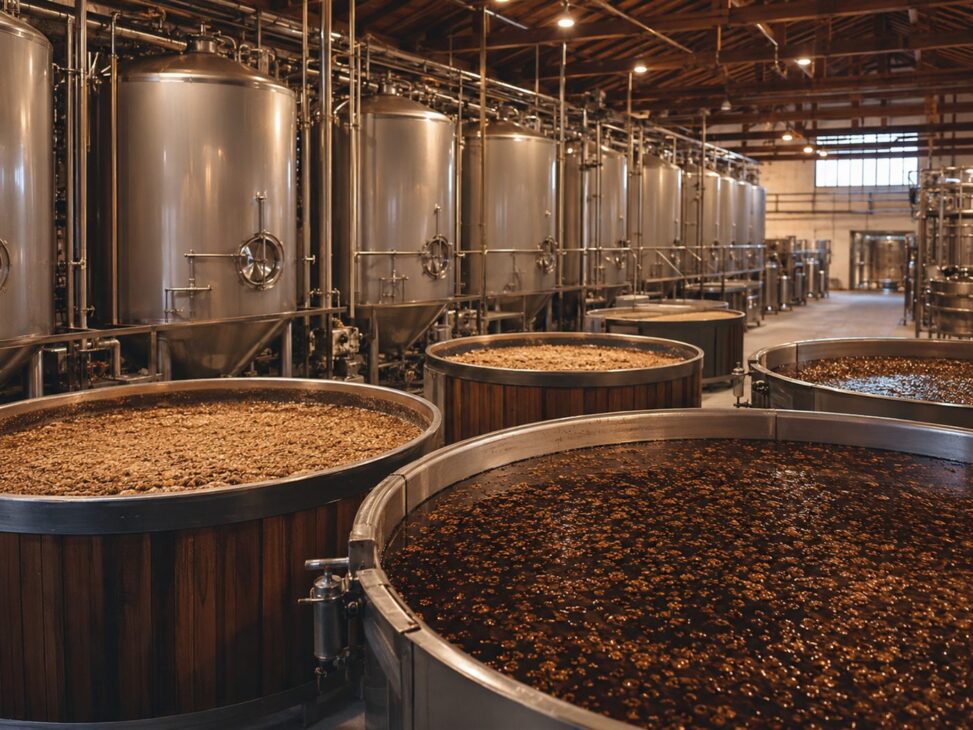
The industrial scale is impressive when looking at the daily numbers. According to Times Brasil, the headquarters in São Paulo alone bottles about 50,000 bottles and 350,000 sachets per day, a pace that requires an equally robust supply chain.
To support this production, the factory consumes approximately 115 tons of soybeans and 60 tons of corn per month. All of this reaches the consumer through a distribution network that covers about 620,000 points of sale in Brazil. This capillarity transforms market leadership into real presence in daily life, from large supermarkets to neighborhood restaurants.
The goal of multiplying exports
With the domestic market practically dominated, the next step looks outward. Today, exports represent something between 7% and 9% of the company’s volume, with products reaching about 60 countries. The stated goal is ambitious: to increase this share to 30% of the total volume in ten years.
Food export thus becomes the new frontier for a brand that no longer has much to conquer at home. In the domestic market, expansion targets the North and Northeast, regions where the brand sees room for growth. Moving from a quarter of production exported to almost a third is the long-term bet, and it is in this movement that the fermentation patent and the new capacity in Boituva make strategic sense.
What explains the 85-year longevity
Few food companies in Brazil reach 85 years without losing leadership, and this case helps to understand why. The combination of absolute dominance of a category, diversification into dozens of others, and constant investment in capacity and technology has formed a barrier difficult for any competitor to overcome.
Continuous family management, combined with the decision to produce on an industrial scale without giving up the fermentation process, has given the brand rare stability. Growing 5% per year on a base of hundreds of millions is not an explosion, it’s solidity, and it is precisely this predictability that supports the export plans.
A centennial brand in the making
The 85th anniversary finds the company in a comfortable position, but far from complacent. With an expanded factory, registered patent, and an aggressive export goal, the company is trying to replicate abroad the dominance it has built at home over four generations.
The question remains whether Sakura soy sauce will be able to convince foreign palates with the same strength it conquered the Brazilian one. Did you imagine that the soy sauce in your cupboard came from a factory that started in a São Paulo village in 1940?