Portuguese
  Spanish


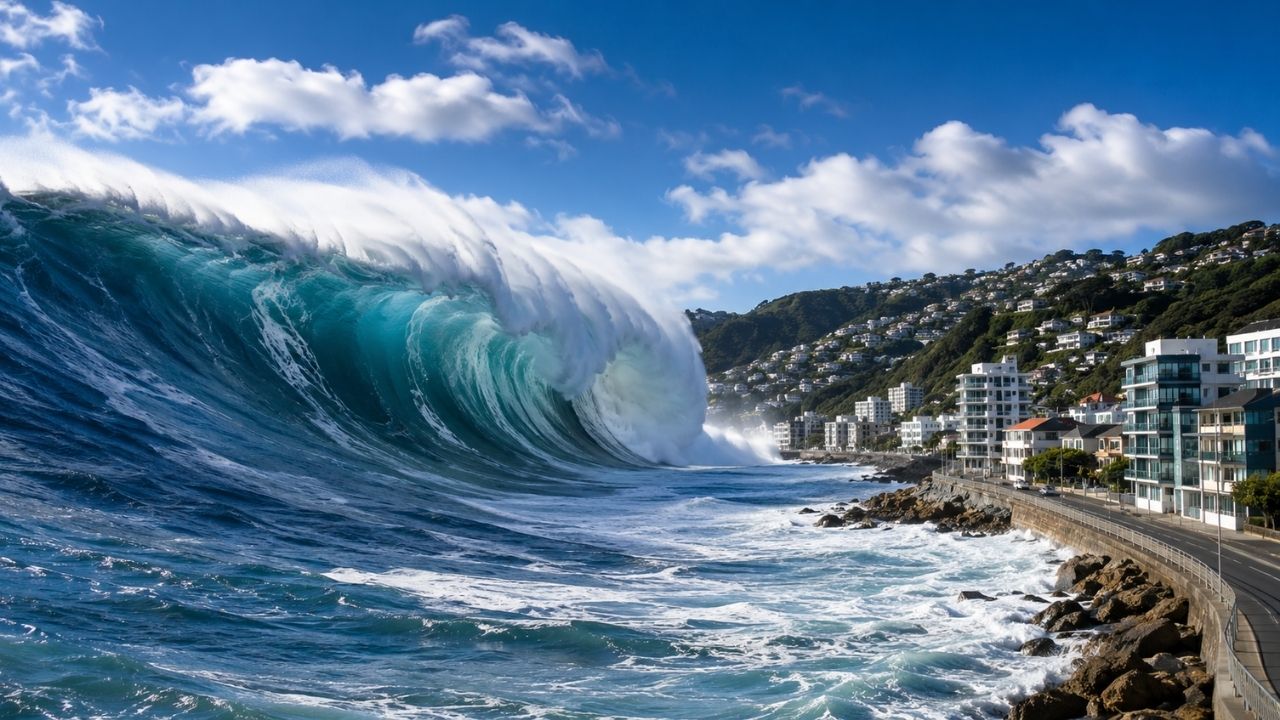

With 11-meter waves, Wellington entered a state of emergency after the sea advanced into coastal areas. Hundreds of residents left their homes and sought higher ground, while the police blocked roads to prevent return to the coast and authorities warned that those who stayed might not receive help in the local emergency.
The 11-meter waves hit the coast of Wellington, the capital of New Zealand, leading to the evacuation of hundreds of people from coastal areas this Tuesday. The city council declared a state of emergency after the order issued on Monday night took effect in the morning, advising residents to seek higher ground.
According to a video published by the channel O POVO on YouTube, the evacuation order was issued on Monday night, June 8, 2026, and took effect on the morning of this Tuesday, June 9, 2026. According to the information released, the police were mobilized to ensure that the population left the threatened areas and moved to higher ground.
Wellington enters emergency after wave advance
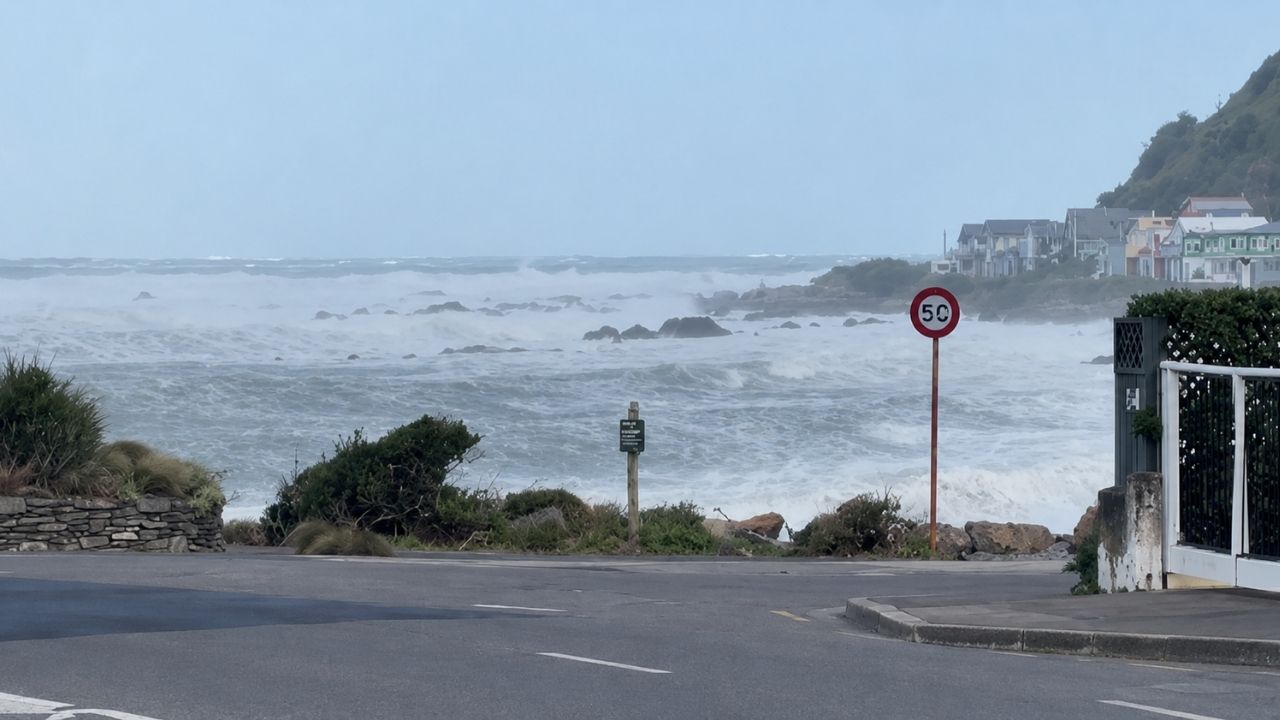
The Wellington city council declared a state of emergency after strong waves arrived in different regions of the city. The main concern of the authorities was the residents remaining in coastal areas, where the advance of water could hinder or even prevent rescue actions.
-
Brazilian Scientist Wins $100,000 for Decoding Bird Songs That Convey Identity and Social Information

-
Brazilian National Team Traveled by Ship to First World Cup, Boarding Conte Verde to Reach Uruguay

-
Ancient Burial Site Uncovered in Brazil: 11,000-Year-Old Artifacts Found Beneath 300-Ton Rock
-
18-Year-Old Student Designs Modular Microhouse from Fiberglass and PET to Combat Homelessness in Brazil, Plans to Live in Prototype for a Year to Demonstrate Quick Assembly




The guidance was clear: those in the affected areas should leave and seek elevated locations. The authorities’ warning made it clear that emergency teams would not assist people who insisted on staying in the risk zone.
Police block roads to prevent return to the coast
With the withdrawal order in effect, agents began to control access around coastal areas. The police set up roadblocks to prevent residents or onlookers from heading to the coast during the emergency.
The strategy aimed to reduce direct exposure to danger, as moving to the coast could put more people at risk. In situations like this, the work of the authorities focuses on keeping the population away from vulnerable areas before the tide and waves worsen the situation.
Hundreds of residents leave homes in search of higher ground
The evacuation involved hundreds of people who had to leave their homes in a hurry after the alert. The recommendation to seek higher ground reinforced the seriousness of the situation, especially in neighborhoods and sections close to the sea.
The 11-meter waves transformed the routine of the New Zealand capital into a scene of urgency. For residents of coastal areas, the priority became to get out of the path of advancing water and follow official instructions.
Authorities’ warning increases pressure on those who decided to stay


The harsher alert came with the information that emergency teams would not provide assistance to those remaining in risk areas. The message served as an attempt to prevent individual decisions that could endanger lives.
This type of guidance is usually adopted when operational risk also threatens rescuers. By making it clear that staying on the coast could mean being without assistance, the authorities increased the pressure for the evacuation to be carried out quickly.
Emergency exposes vulnerability of coastal areas
The case in Wellington shows how coastal cities can be quickly affected by extreme maritime events. Even without additional details on material damage or injuries, the evacuation of hundreds of residents already indicates the extent of official concern.
The 11-meter waves also draw attention for their visual impact and the concrete risk in regions close to the ocean. When the sea advances with force, roads, houses, and escape routes can become critical points in a short time.
Do you think such harsh warnings, like saying that those who stay might not be rescued, are necessary in emergency situations? Share your opinion.