






 Portuguese
  Spanish


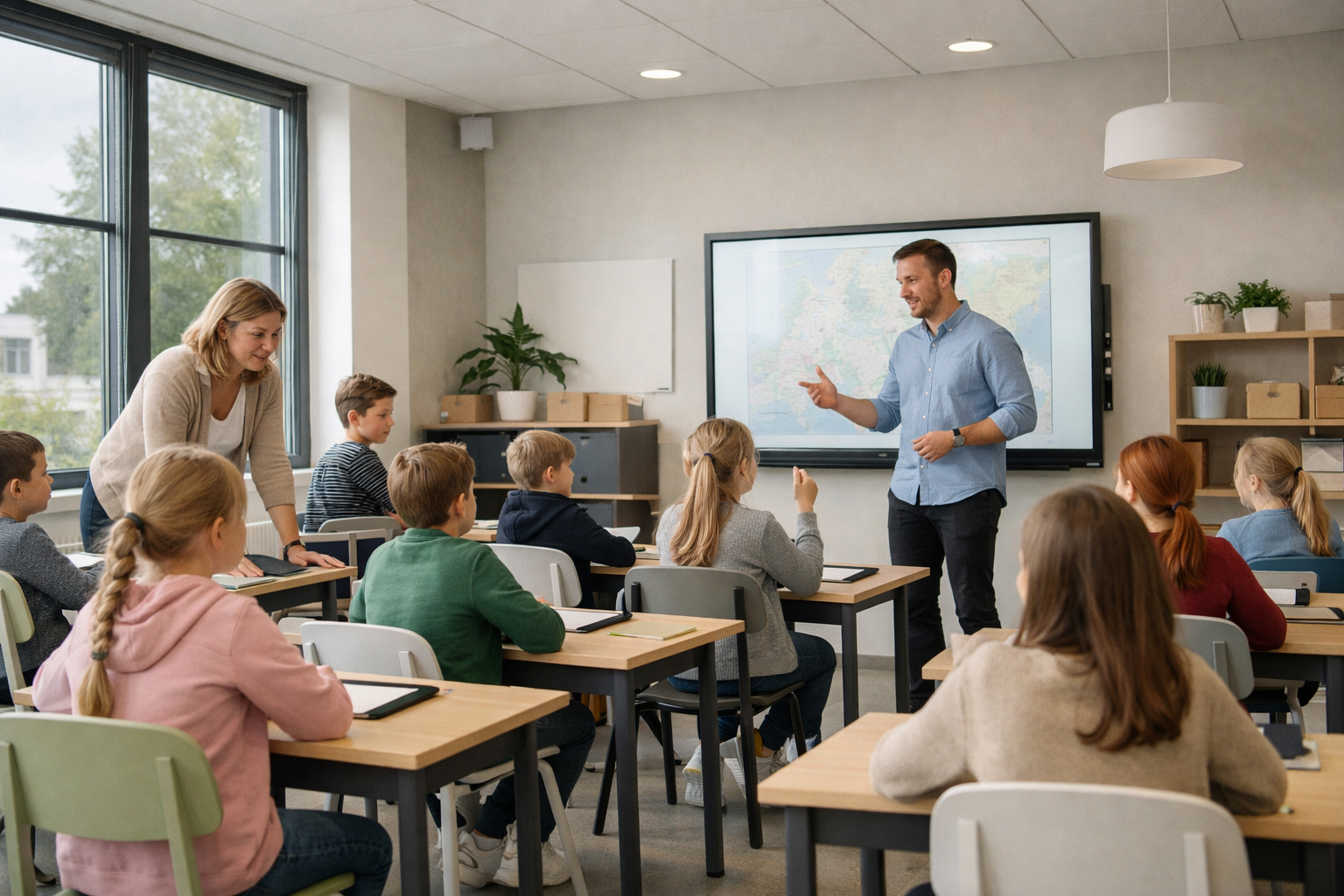

After years as a global reference, the Finnish educational system registers a consistent decline in global rankings and raises questions about recent changes in education
For decades, Finland was considered a true global example in education. Its model, marked by a focus on student well-being, appreciation for teachers, and the absence of excessive standardized testing, inspired countries around the world — including Brazil. However, this scenario began to change in recent years.
The information was disclosed by “g1”, based on interviews with experts and educational authorities, including the Finnish Minister of Education, Anders Adlercreutz, who acknowledged the decline in results and admitted: “Honestly, we don’t know what happened.”
Performance decline raises alarm after years at the top
Since 2012, Finland’s results in international assessments such as PISA (Programme for International Student Assessment) have shown a consistent decline. Between 2012 and 2022, student performance dropped more than 20 points in subjects such as mathematics, reading, and science.
-
In the Caucasus Mountains, a Community Preserves a Language So Rare Few Outsiders Can Understand It

-
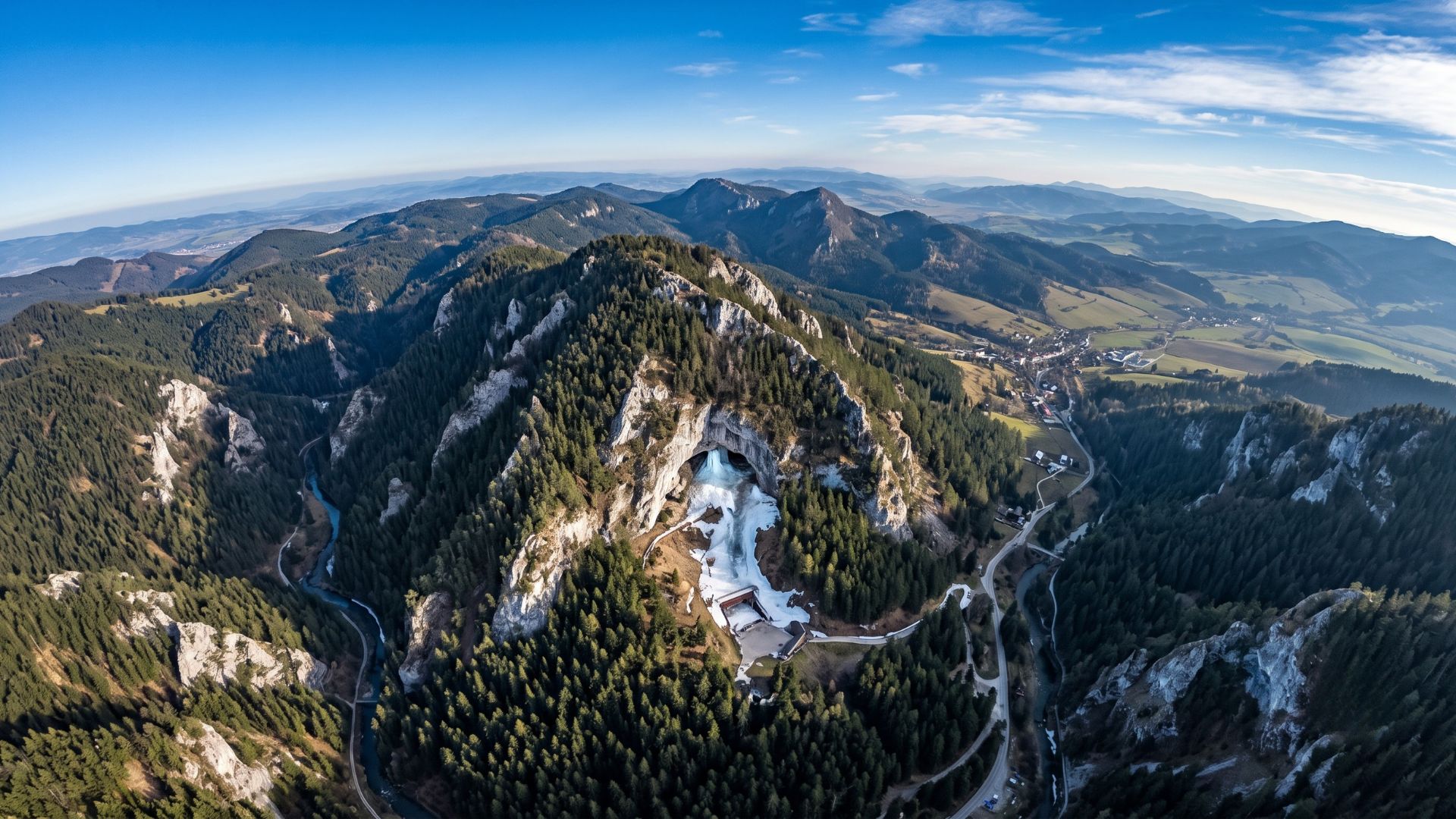
Slovakia’s Ice Cave Holds Over 110,000 m³ of Frozen Wonders, Boasts Walls Up to 27 Meters Thick, and Was Among the First Electrified Caves Globally

-
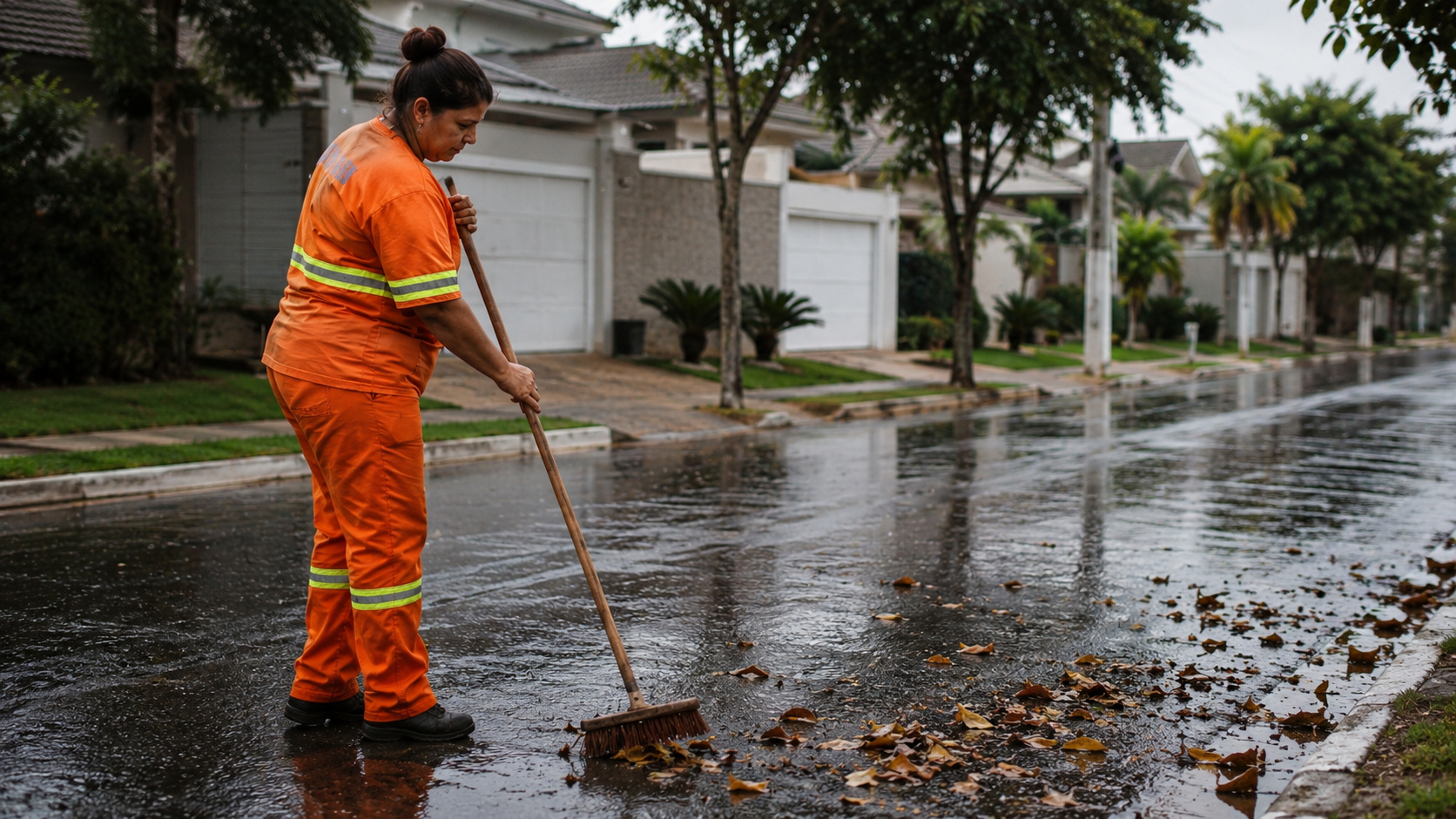
Street Cleaner Accidentally Receives $200,000 Transfer, Returns Unexpected Fortune to Rightful Owner
-
Australian Space Agency Investigates Six Mysterious Metal Spheres Found on Queensland Beach, Isolating Area Over Possible Space Debris Risk



Moreover, the country is no longer among the global leaders. In mathematics, for example, it fell out of the TOP 10 as early as 2012. In reading, in 2022, it even lagged behind the United States — a fact that drew international attention.
In the 2023 TIMSS exam, the situation is also concerning: Finland ranked only 15th in mathematics among 8th-grade students, behind several Asian and European countries.
Changes in the educational model may explain the decline
In light of this scenario, experts point to some important changes in the Finnish educational system. One of them is the greater flexibility of the curriculum, focusing on interdisciplinary teaching and integrated projects.
Although this model encourages creativity and critical thinking — skills valued in the modern world — it may have negatively impacted performance in traditional tests, which require more direct and specific knowledge.
Therefore, the government decided to take action. Among the measures adopted is the increase in the hours dedicated to fundamental subjects, such as mathematics and reading, especially in the early grades.
Excessive use of technology comes under scrutiny
Another factor that has begun to be investigated is the impact of digitalization in schools. In recent years, Finland has heavily invested in the use of technology in the classroom, encouraging digital activities, social media, and interactive tools.
However, experts warn that excessive use of devices may have negative effects, such as:
- distraction during classes “`
- reduction of reading habits
- concentration problems
- harm to sleep
In light of this, one of the most recent measures was the prohibition of cell phone use in the classroom, in an attempt to regain students’ focus.
Growing inequality also influences results
In addition to pedagogical changes, social factors have also begun to impact school performance. Finland, historically known for its social equality, is now facing an increase in inequality.
The Gini index, which measures income concentration, rose from 22 in 1996 to 26.6 in 2022. Although still low compared to countries like Brazil, this increase is already having repercussions in education.
Another relevant point is the growth of immigration. The proportion of immigrant students rose from 1.2% in 2000 to 6.8% in 2022, a group that, on average, faces greater difficulties in adaptation and learning due to language barriers.
Investment cuts and impact on school support
The system has also suffered from investment cuts over the years. After economic crises, there was a reduction of up to 25% in public spending on education, in addition to a decrease in resources allocated to libraries and support programs.
As a consequence, schools began to:
- increase the number of students per class
- reduce support staff
- limit school recovery programs
This directly affected the support offered to students with difficulties, which was one of the pillars of Finnish success.
What Finland is doing to try to reverse the situation
In the face of challenges, the country has already begun to implement strategic changes to regain its prominent position.
Among the main actions are:
- prohibition of cell phones in the classroom
- increase in math and reading hours
- maintenance of project-based teaching, but with greater balance
- strengthening support for students with difficulties
- discussion about new investments in education
The idea is to find a balance between innovation and tradition, maintaining the modern characteristics of teaching without compromising basic learning.
A global alert for countries following the model
The case of Finland raises an important question: to what extent can changes in the educational model impact long-term results?
Countries like Brazil, which have drawn inspiration from various aspects of the Finnish system, are now closely observing this transition. After all, what was once considered an absolute reference now faces real challenges.
Therefore, more than an isolated crisis, the current scenario in Finland serves as a global warning — showing that even the most successful models need to constantly adapt to social, technological, and economic changes.


