






 Portuguese
  Spanish


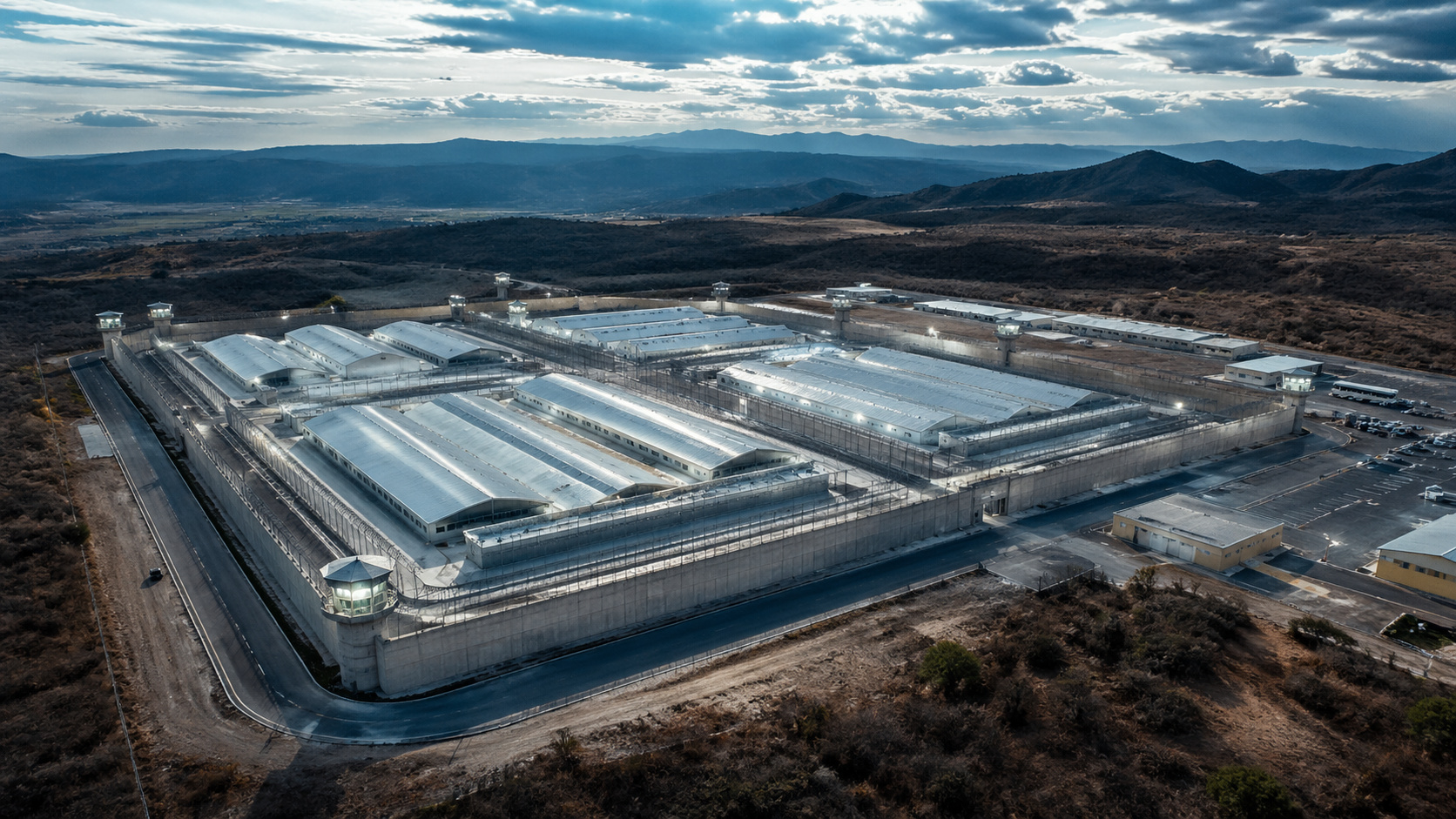

Unprecedented decision transforms the juvenile justice system, expands severe punishments against adolescents, and places the country at the center of a global debate on human rights and public security
While in Brazil the age of criminal majority remains fixed at 18, a radical movement in Central America is drawing global attention and reigniting profound discussions about justice, punishment, and the limits of the state. In El Salvador, new legislation allows adolescents as young as 12 to be subjected to extremely harsh sentences — including life imprisonment — in cases considered serious.
The information was released after the approval of constitutional reforms by the Salvadoran Congress, which take effect on April 26. The changes were sanctioned by President Nayib Bukele and are part of a broader strategy to toughen public security policies, especially in the fight against the gangs that have historically dominated the country.
Toughening of the law changes rules for young offenders and expands state power
With the new legislation, crimes such as homicide, femicide, rape, and participation in criminal organizations will now have more severe punishments, regardless of the offender’s age. Additionally, juvenile courts will no longer act as educational bodies and will now function as traditional criminal courts in cases considered more serious.
-
Scientists warn that melting ice is triggering an alarming chemical transformation in preserved areas, and the first signs are already concerning researchers worldwide.

-
China placed 198 robotic legs under a 7,600-ton school and made the building walk 62 meters in 18 days, rotating the historic structure as if a concrete structure had gained feet to escape demolition.

-
Distributor confirms the premiere of ‘Dark Horse’, Bolsonaro’s film, in 650 cinemas with 99% of copies dubbed.
-
9-year-old boy who could only hold a plank for 6 minutes in physical education class trained alone for 6 months, without needing encouragement from his parents, until he broke the world children’s record with 61 minutes and 5 seconds.


In this sense, adolescents will now be tried similarly to adults, which represents a structural change in the juvenile justice system. On the other hand, the legislation provides for periodic reviews of sentences — although they may only occur after decades of served time — which maintains a small window for re-evaluating convictions.
Meanwhile, the measure is defended by the government as necessary to curb violence and dismantle organized crime. The country has been under a state of emergency since 2022, a period in which thousands of people have been arrested in massive operations against gangs.


International criticism points to rights violations and the risk of regression
Despite domestic support, the decision has generated a strong reaction from international organizations. Entities such as UNICEF and the Office of the United Nations High Commissioner for Human Rights state that the measure contradicts fundamental principles of international law.
According to these organizations, the priority should be the rehabilitation of young offenders, using deprivation of liberty only as a last resort. Furthermore, experts warn of the risk of an increase in violations, including arbitrary detentions and trials without adequate guarantees.
Therefore, the new law puts El Salvador on a collision course with international human rights treaties, broadening the debate on the extent to which security policies can advance without compromising fundamental guarantees.
Brazil maintains its rule, but the debate on lowering the age of criminal majority continues
In Brazil, the age of criminal majority remains established at 18 years, as provided for in the Federal Constitution. Adolescents who commit offenses are subject to socio-educational measures, such as confinement, and not the common prison system.
Nevertheless, the topic remains under discussion in the National Congress. A Proposed Constitutional Amendment (PEC), presented in 2025, proposes reducing the age of criminal majority to 16 for serious crimes. However, the measure faces significant resistance and would depend on both legislative approval and a popular referendum.
Data from the Brazilian Public Security Yearbook show that about 12,000 adolescents are serving confinement measures in the country — less than 2% of the total prison population. Most cases involve crimes such as robbery, theft, and drug trafficking, while violent crimes represent a smaller portion.
International scenario reveals striking differences and multiple paths

Around the world, the age of criminal responsibility varies widely. Countries like Canada allow for accountability starting at 12 years old, while in the United Kingdom, young people can be held criminally responsible from the age of 10.
Other nations, such as Argentina and China, have recently adopted reductions to 14 years in specific situations. European countries like France and Portugal follow hybrid models, which combine progressive responsibility with educational and social reintegration policies.
Thus, the case of El Salvador stands out not only for its rigidity but also for the intensity of its punishments, placing the country at the center of a global debate involving security, justice, and human rights.
And you, should Brazil follow a path similar to El Salvador and reduce the age of criminal majority, or maintain its focus on socio-educational measures for young offenders?





