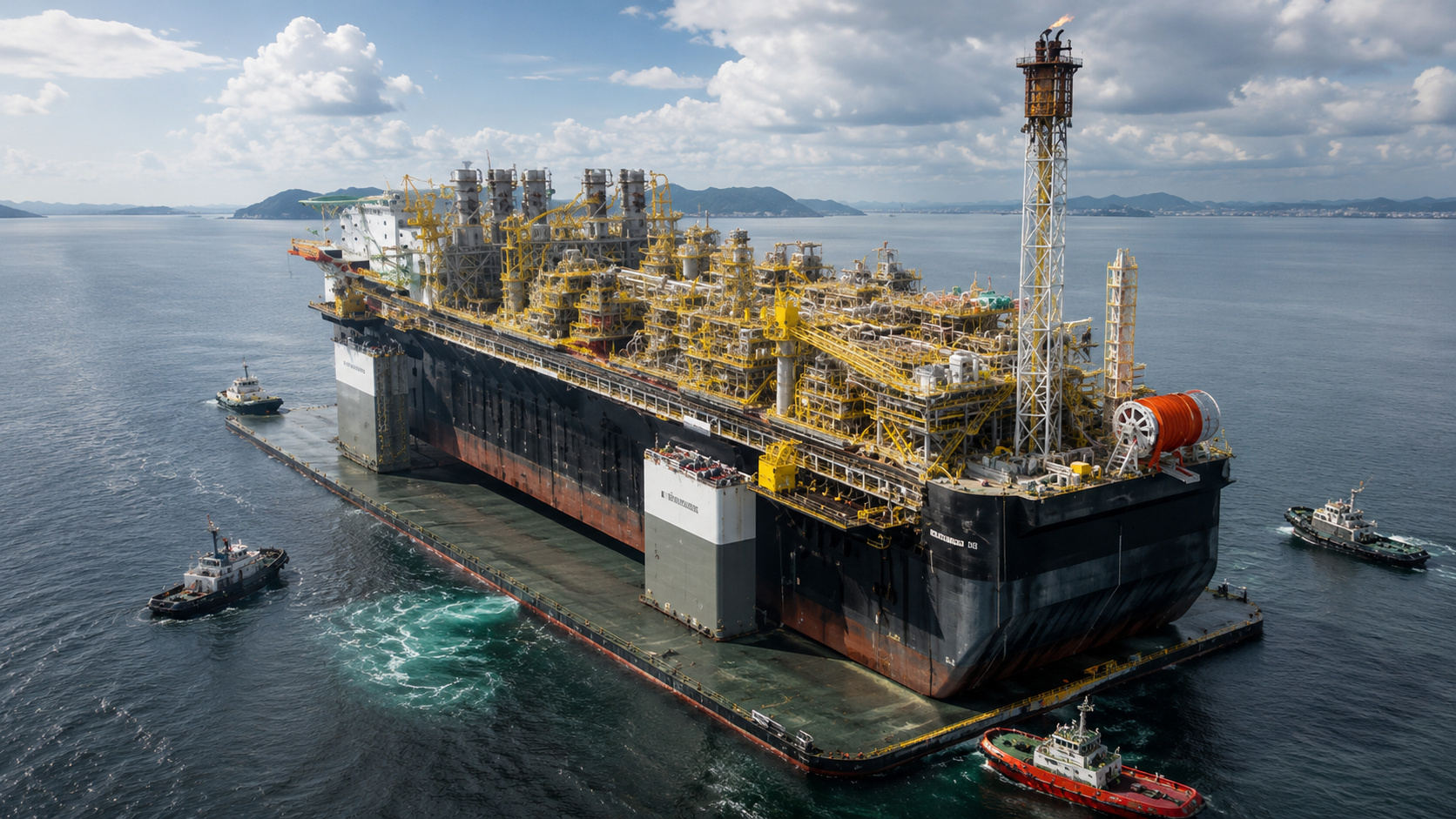

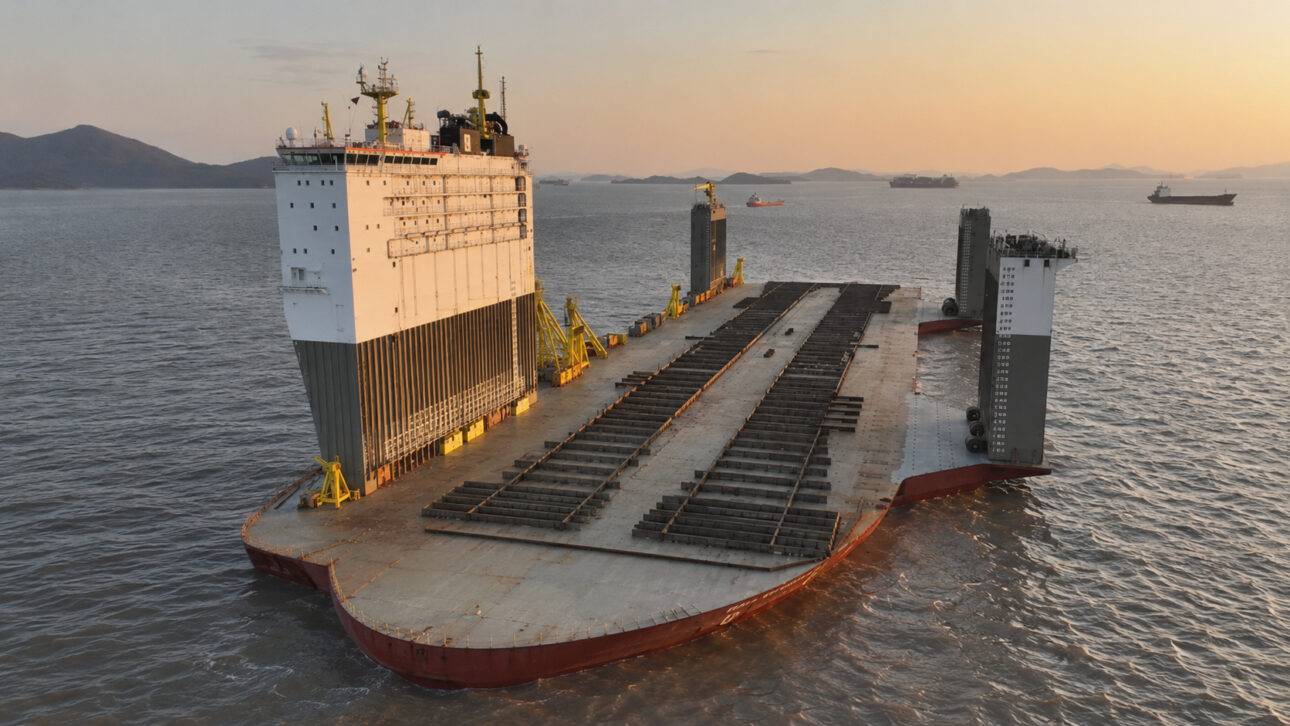
Once the platform was in place, the BOKA Vanguard began the process of removing water from the ballast tanks. This allowed the ship to rise, lifting the P 70 out of the water and securing it for the journey to Rio de Janeiro.
The entire operation was a testament to the precision and engineering prowess required to transport such massive structures across the ocean safely.
The Importance of Ballast Systems in Maritime Transport
Ballast systems are crucial in maritime transport, providing stability and balance to ships carrying heavy loads. By adjusting the amount of water in the ballast tanks, vessels can maintain the correct buoyancy and stability, ensuring safe navigation across the seas.
-
Giant Floating Gates Protect Rotterdam from Rising Sea Levels at One of Europe’s Largest Ports

-
Chinese Ship Elevator Lifts Vessels 113 Meters in 40 Minutes, Bypassing Five Locks
-
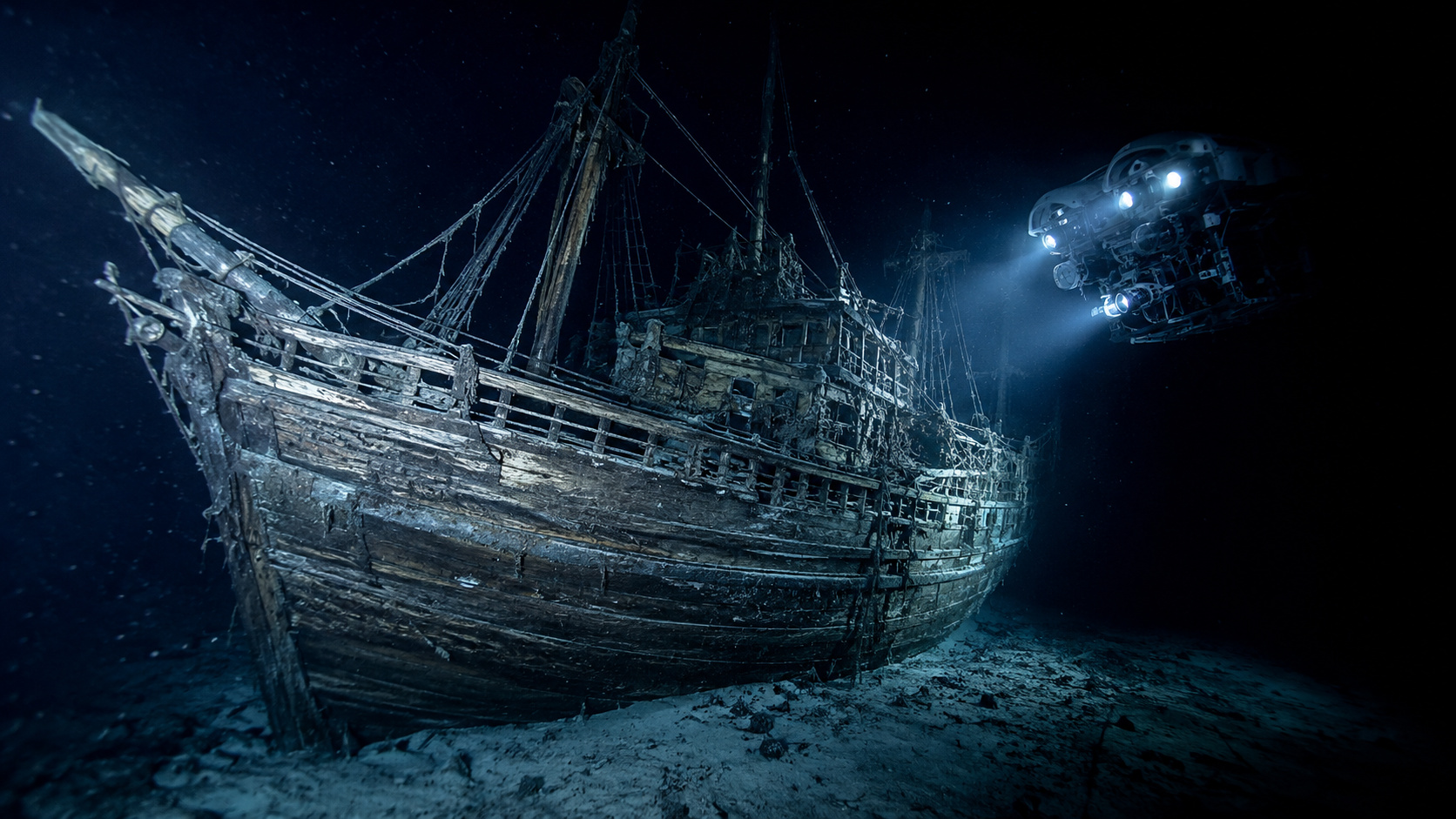
Wooden Ship Lost Under Antarctic Ice for 107 Years Found Nearly Intact at 3,008 Meters Depth, Filmed by Robots Without Human Contact
-
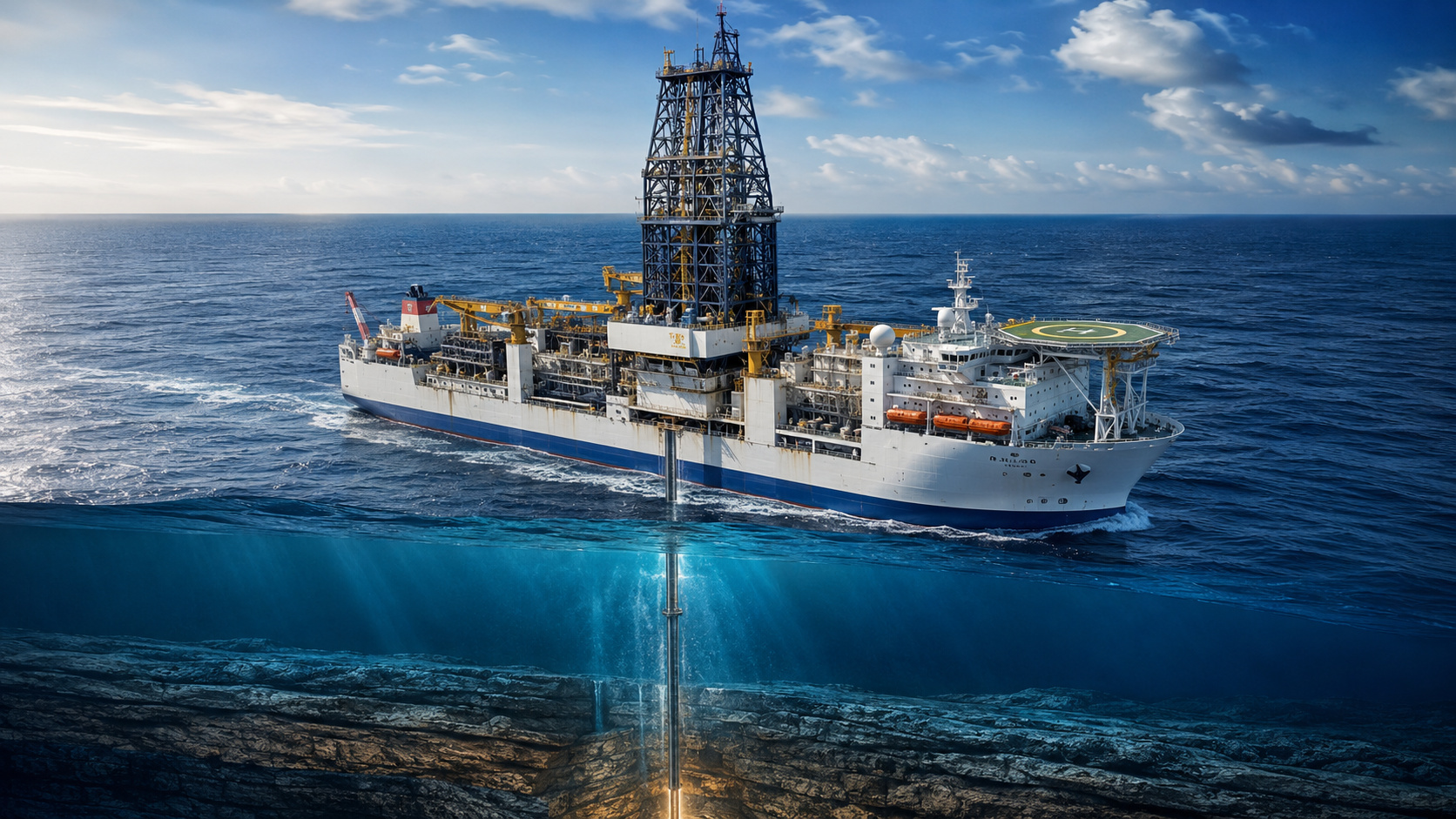
Japanese Ship Transforms into Floating Lab, Drills 7,740 Meters Below Sea to Study Earthquake Zones
This technology is especially important for semisubmersible ships like the BOKA Vanguard, which rely on precise control of ballast to load and transport massive structures like the P 70 platform.
With the successful transport of the P 70, the BOKA Vanguard has demonstrated the effectiveness and reliability of its ballast system, setting a standard for future maritime transport operations.
After the fitting, the BOKA Vanguard removed the water from the tanks. The deck slowly rose again, leaving the platform supported on the vessel for the start of the crossing.
The process makes the sea function as part of the boarding. The platform enters the planned area while the ship is lower and then travels in an elevated and safe position.
Why the P 70 platform did not cross the ocean alone
The P 70 is a floating unit used to produce, store, and transfer oil and gas. It was built to operate offshore, but the crossing between China and Brazil required a vessel designed for transporting giant structures.
Petrobras, a Brazilian state-owned energy company, records that the P 70 began production in the Atapu field, in the pre-salt of the Santos Basin, in June 2020.
The transport on the BOKA Vanguard separated two different tasks. The ship took the platform to Brazil, while the P 70 began to fulfill its function related to oil and gas production in the pre-salt.
The crossing required balance in the face of waves and wind
A load of 91,118 tons completely changes the behavior of a ship at sea. The vessel needs to keep the weight well distributed to reduce movements that can affect the structure supported on the deck.
The technical sheet of the BOKA Vanguard includes equipment to monitor the ship’s movement and assist decisions during navigation. This control is important on a long journey, with variations in waves, wind, and currents.
Stability also depends on the chosen route and how the platform is secured to the deck. It’s not enough to transport a huge structure; it’s necessary to keep the load steady throughout the journey.
From China to Rio de Janeiro, a step before the Brazilian pre-salt
The journey began in Qingdao, China, and ended in Rio de Janeiro. The BOKA Vanguard took the P 70 on a maritime route that connected an Asian shipyard to the oil production chain in Brazil.
The pre-salt is a region located below a large layer of salt at the bottom of the sea. Atapu is part of this area of the Santos Basin, where the P 70 began to operate after arriving in the country.
The crossing shows how large platforms can depend on specialized ships before becoming operational. The BOKA Vanguard lowered the deck, received the structure through the water, and carried a load of gigantic proportions to Rio de Janeiro.
Did you imagine that the water used to lower a ship could be precisely the resource that allows transporting an entire platform across the ocean? Tell us in the comments and share this story.