Portuguese
  Spanish


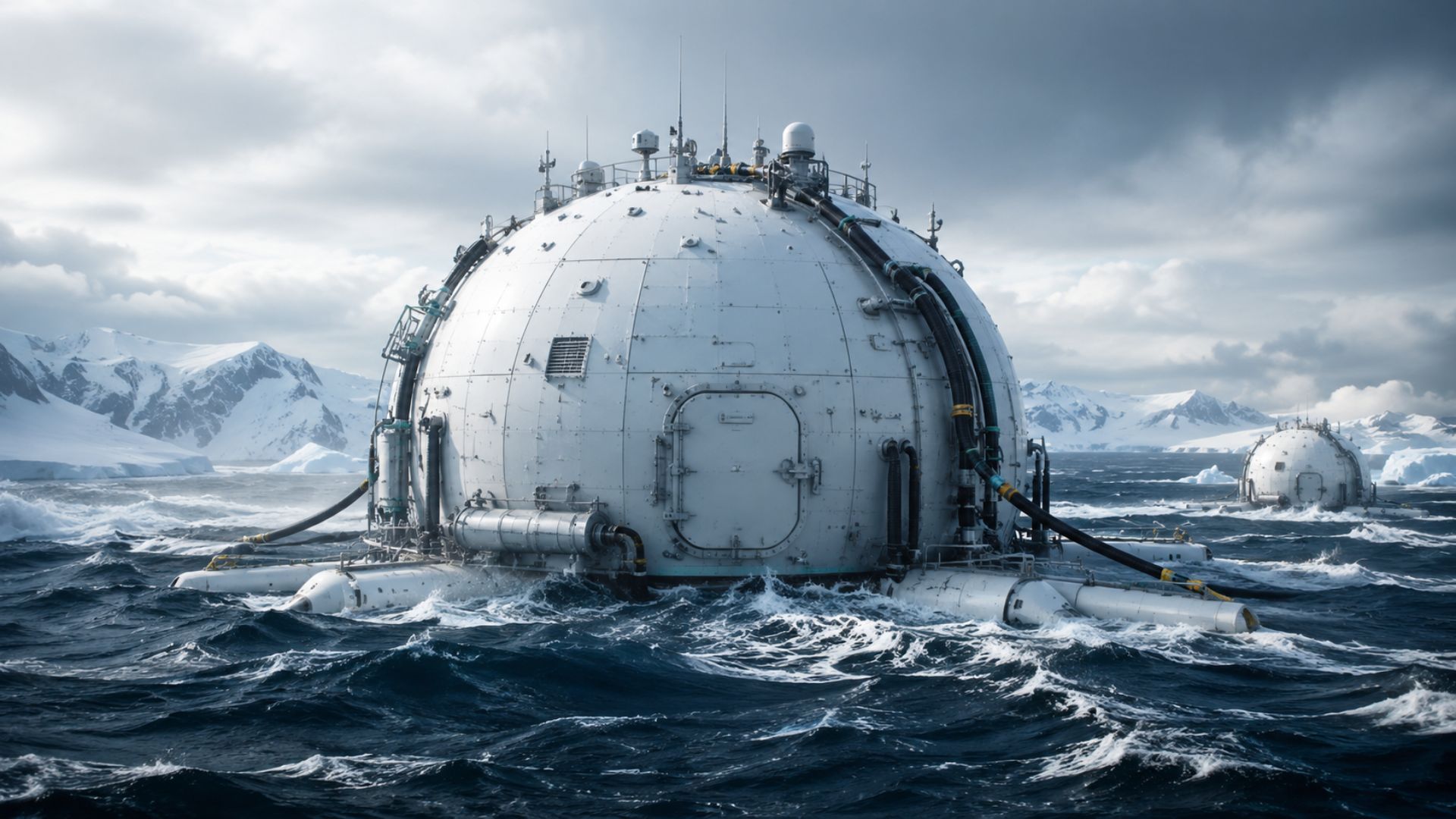

The startup is Panthalassa, from Portland, supported by Peter Thiel, which is testing the Ocean-2 prototype and aims for commercial units in 2027, a year before SpaceX’s orbital plan. But no wave energy system has proven viable on a large scale, and the project may fail.
While Elon Musk sells investors orbital data centers at a cost of up to $90 million per launch, an American startup wants to take servers to the ocean floor, using wave energy and cooling with Antarctic Ocean water at about 10 degrees. The company is Panthalassa, from Portland, Oregon, and its proposal, numbers, and plans were detailed by CEO and co-founder, Garth Sheldon-Coulson, in a report by Forbes released in June.
The idea is as bold as it is uncertain. Supported by Peter Thiel and a series of Silicon Valley funds, Panthalassa has spent the last decade developing floating data centers that generate their own electricity from open sea waves and cool themselves with cold water, and hopes to have commercial units by 2027. It is worth noting, however, that no wave energy system has proven commercially viable on a large scale to date, and the project itself admits the risk of failure.
The startup’s bet on floating data centers
The proposal is to take data centers off land and move everything to the ocean. The startup argues that the sea is far from taxpayers, zoning disputes, and annoyed neighbors, in addition to offering clean energy and a cheap way to cool servers. “What we’re doing is total madness,” said Garth Sheldon-Coulson, who bets on being the first company to take this operation to the middle of the ocean.
-
Humanoid Robots Begin Replacing Factory Workers in China, Working 64-Hour Shifts and Driving Industrial Automation Forward

-
Miniature Nuclear Reactor to Be Installed in South Wales, Powering 20,000 Homes and Reviving UK’s Nuclear Industry After Nearly 50 Years

-
San Andreas Fault Reaches “Highest Tension in 1,000 Years,” Raising Fears of the “Big One,” but New Study Identifies Key Zone Near Los Angeles Influencing Earthquake Impact

-
French Scientists Set Sail on Ice-Trapped Ship for 18-Month Arctic Climate Study



Time and money help explain the ambition. Panthalassa was co-founded in 2016 by Sheldon-Coulson, with a master’s degree from MIT and a law degree from Harvard, alongside engineer Brian Moffatt, and includes engineering talent from SpaceX, Google, Blue Origin, Apple, Boeing, Amazon, and Tesla. In May, the company raised $140 million in a Series B round, with contributions from Thiel, John Doerr, Marc Benioff’s TIME Ventures, Max Levchin’s SciFi Ventures, and Gigascale Capital, led by Mike Schroepfer, who was Meta’s chief technology officer.
How the Ocean-2 Prototype Works
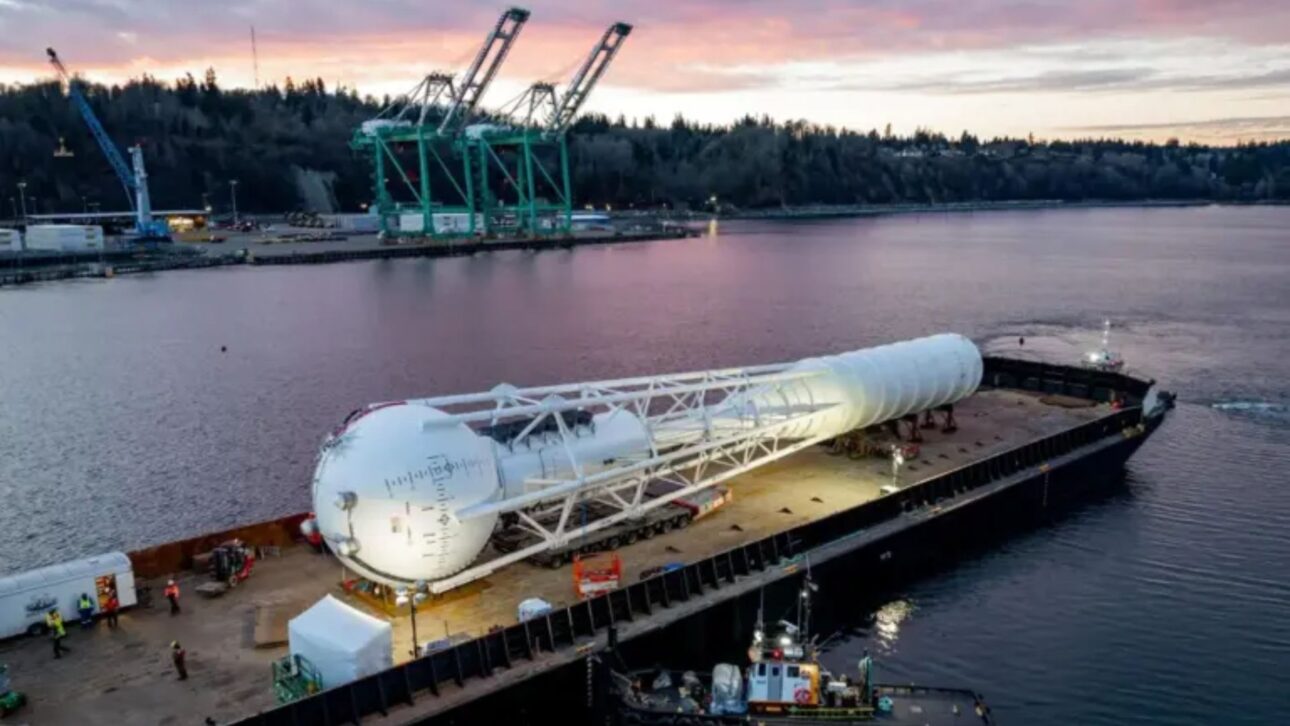
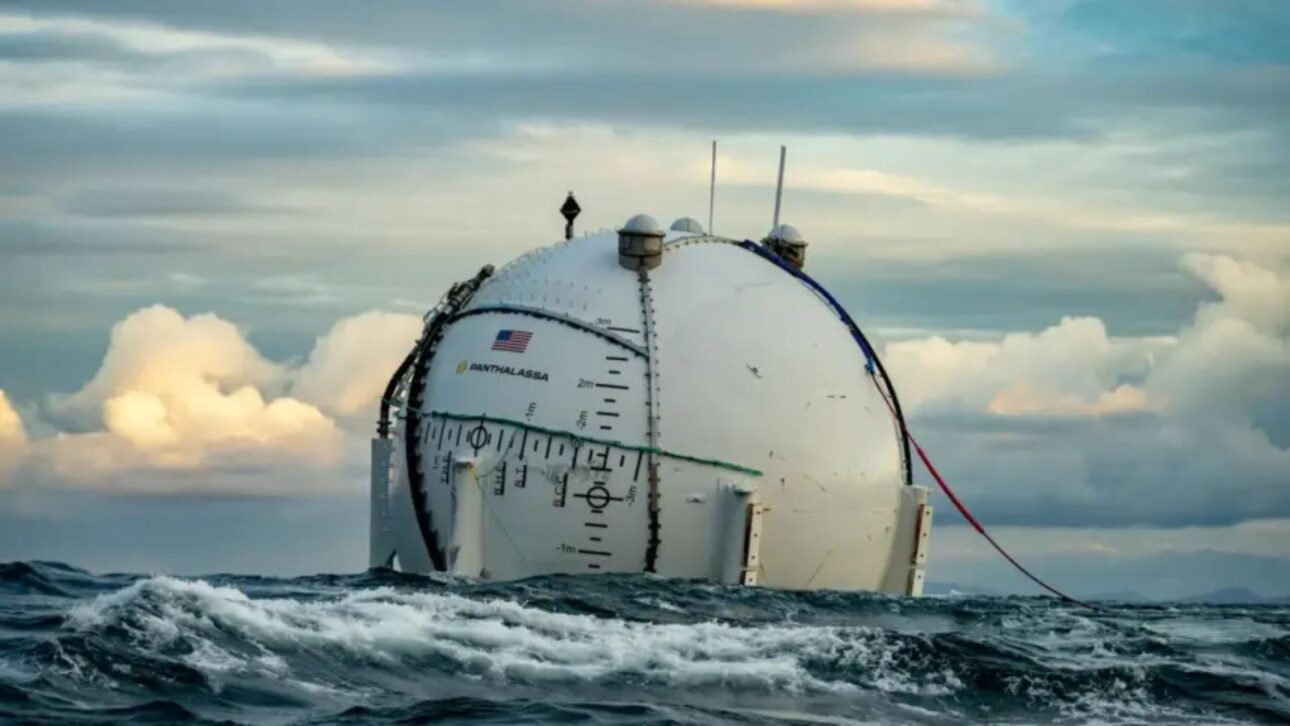
The prototype looks more like an industrial lollipop than a data center. Tested off the coast of Washington state since 2025, the Ocean-2 is a 70-meter steel tower submerged, with a rounded head floating above the water. As it sways in the waves, water is pumped through the neck to a spherical reservoir at the top and passes through a turbine capable of generating up to 1 MW of continuous electricity, and the commercial unit planned for next year will carry chips to run AI tasks on board and transmit data via satellite, similar to Musk’s concept.
Another differentiator the startup highlights is operating in deep sea and without moorings. The nodes are located where wave energy is strongest, are self-propelled, can reposition themselves, and have no connection to the seabed. They are built with materials from large ships, thick steel with zinc or aluminum coating, and are expected to last at least 15 years, with the computing load replaced every five years or so.
Wave Energy and Cooling at 10 Degrees
The startup’s thesis relies on cheap and constant energy. Sheldon-Coulson states that the cost of electricity is around 2 cents per kWh, with a capacity factor above 90%, and investor Mike Schroepfer estimates a cost advantage of up to 100 times compared to launching equipment into space, as SpaceX charges up to $90 million per launch. Panthalassa aims to install hundreds, and then thousands, of buoys in the seas between the South Pole, South America, and Africa, where waves are more constant and there is no navigation, using the energy right there.
Cooling is the simplest part of the plan. The average temperature in the intended regions is about 10 degrees, which eliminates the need for specific coolers, cooling towers, and potable water, in contrast to land-based data centers, which have turned cooling into a battle for water, energy, and licenses, and with Musk’s orbital concept, where satellites face temperature variations from 170 degrees negative to 120 positive in the vacuum. From the 2030s, the startup also wants to use the nodes to produce carbon-free hydrogen or ammonia from desalinated seawater.
Why the Ocean Has Already Swallowed Similar Plans


The history of wave energy is full of reality checks. Extracting energy from the ocean has fascinated scientists for over a century, but no large-scale system has proven commercially viable, and the sea has ultimately had the final say in all previous business plans. An estimate by the International Energy Agency suggests that waves could yield thousands of TWh per year, although capturing a fraction of that consistently remains an unsolved challenge. Microsoft tested underwater units off the coast of Scotland and ended the research in 2024, and China experiments with underwater data centers powered by wind energy, but these cases mainly use the ocean for cooling.
First of all, the machines need to survive the environment itself. The Antarctic Ocean is one of the most violent on the planet, with the most powerful wave system that exists, and the report itself acknowledges the real chance of the startup’s plan failing. On the other hand, SpaceX’s IPO documents warn that the orbital project involves unproven technologies that may not achieve commercial viability, with launches only planned for 2028, meaning both the sea and space bets remain ambitious and unproven, with enormous potential gain if one of them succeeds.
While Musk offers data centers in orbit for up to $90 million per launch, with the caveats of SpaceX’s own documents and a start only planned for 2028, the startup Panthalassa wants floating servers in the Antarctic Ocean, powered by waves and cooled by seawater at about 10 degrees. Supported by Peter Thiel and a $140 million round, the company is testing the Ocean-2 prototype and promises commercial units in 2027, with costs it claims are much lower. Still, no wave energy system has proven viable on a large scale, the Antarctic Ocean is a brutal laboratory, and the plan may fail, leaving both bets, at sea and in space, in the same high-risk race for cheaper and cleaner computing.
And you, which bet would you trust more for the future of data centers, in the ocean or in orbit? Do you think wave energy will finally succeed or will the sea swallow this plan too? Share your opinion and exchange ideas with other readers about technology and energy, with respect for different views.