Portuguese
  Spanish


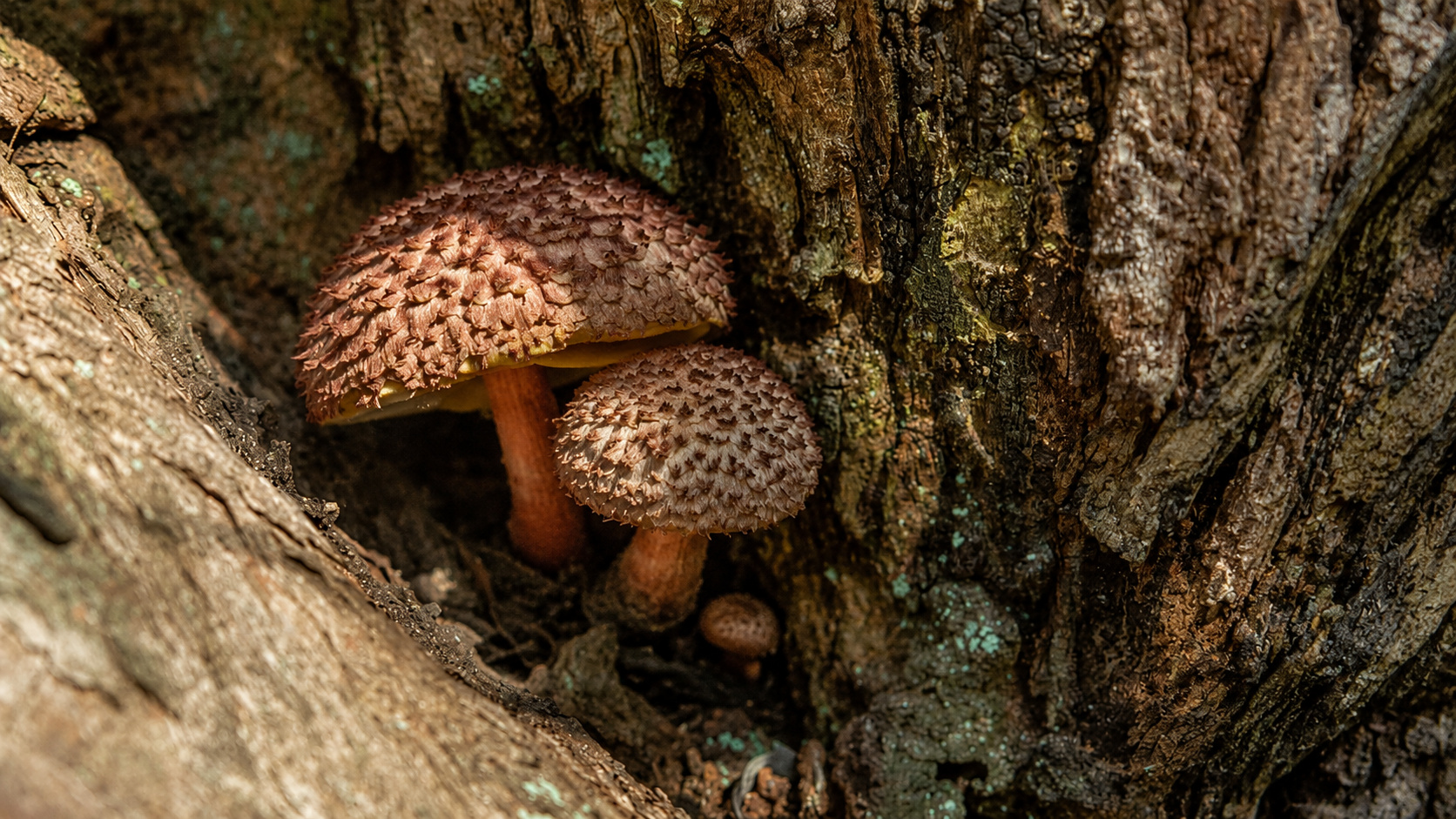

Study published in Science shows how arbuscular mycorrhizal fungi form a gigantic underground network, mapped with machine learning and over 16,000 soil samples
A scientific discovery with significant environmental impact was recently announced, attracting international attention. The underground network formed by arbuscular mycorrhizal fungi is approximately 110 quadrillion kilometers long, according to a study published in the journal Science in June 2026. The length is roughly 750 billion times the distance between Earth and the Sun and reveals the scale of an essential biological infrastructure. This network operates beneath the soil, connected to plants, and helps sustain ecosystems, distribute nutrients, store carbon, and protect watercourses from chemicals.
Technical mapping reveals unprecedented scale of the underground network
The research was conducted by scientists from the Society for the Protection of Underground Networks, known as Spun, using machine learning models. The researchers analyzed data from over 16,000 soil samples collected from different regions of the world and produced the first global map of this biological infrastructure. The lead author, Justin Stewart, told The Guardian that there could be up to 10 meters of mycorrhizal network in just one teaspoon of soil. The estimate shows how almost invisible structures can form systems on a planetary scale.
Denser regions draw researchers’ attention
The areas with the highest density of these networks include places like the Everglades in Florida, the flooded grasslands of Sudd in South Sudan, as well as prairie and steppe ecosystems. Many of these regions, despite their ecological importance, face increasing pressure from human activities and have low levels of environmental protection. This scenario increases the risk of degradation of arbuscular mycorrhizal fungi networks and concerns researchers studying soil conservation.
-
Warm water hidden deep in the ocean has been moving towards Antarctica for 20 years, potentially accelerating glacier melting from below.

-
U.S. Offers Nearly $200,000 to Combat Invasive Mussels Threatening Waterways and Hydroelectric Plants
-
Cigarette Butts Pollute Brazilian Beaches, Sparking Debate on Coastal Environmental Protection Measures
-
App Drivers Unite in Major Solidarity Effort to Aid Venezuela Earthquake Victims, Mobilizing the Brazilian Amazon with Donation Campaign


Human activities reduce the strength of fungal ecosystems
The average density of networks in agricultural areas was reported to be 47.3% lower than that observed in wild ecosystems. Large-scale agricultural practices damage these structures, according to Justin Stewart. Plowing appears as one of the most evident techniques, as it penetrates the soil, turns the earth, and breaks part of the underground connections. Fertilizers and fungicides can also disrupt the symbiosis between plants and fungi, reducing the efficiency of this natural relationship.
Reduction of networks can affect carbon, nutrients, and rivers
Lower density fungal networks decrease the soil’s ability to store carbon, distribute nutrients, and protect waterways from nitrogen, phosphorus, and other chemicals. Researcher Toby Kiers warned that if these networks disappear, there will be much more chemicals in the waterways. The warning reinforces the importance of these organisms for environmental functions that are rarely seen but directly influence the quality of ecosystems.

Research seeks to guide environmental decisions
The ultimate goal of the study is to help scientists and decision-makers understand where fungal ecosystems are thriving and where they are threatened. From the global map produced by Spun, researchers can more accurately observe which areas concentrate dense underground networks and which regions need attention. This advancement broadens the understanding of life below the soil and shows that environmental protection also depends on invisible structures.
The future of subterranean fungi conservation
The discovery places arbuscular mycorrhizal fungi in a broader context of environmental conservation. These organisms do not appear in the landscape like forests, rivers, or wetlands, but they play decisive roles in the balance of ecosystems. The continuation of research can help transform how governments, scientists, and producers view the soil.