Portuguese
  Spanish


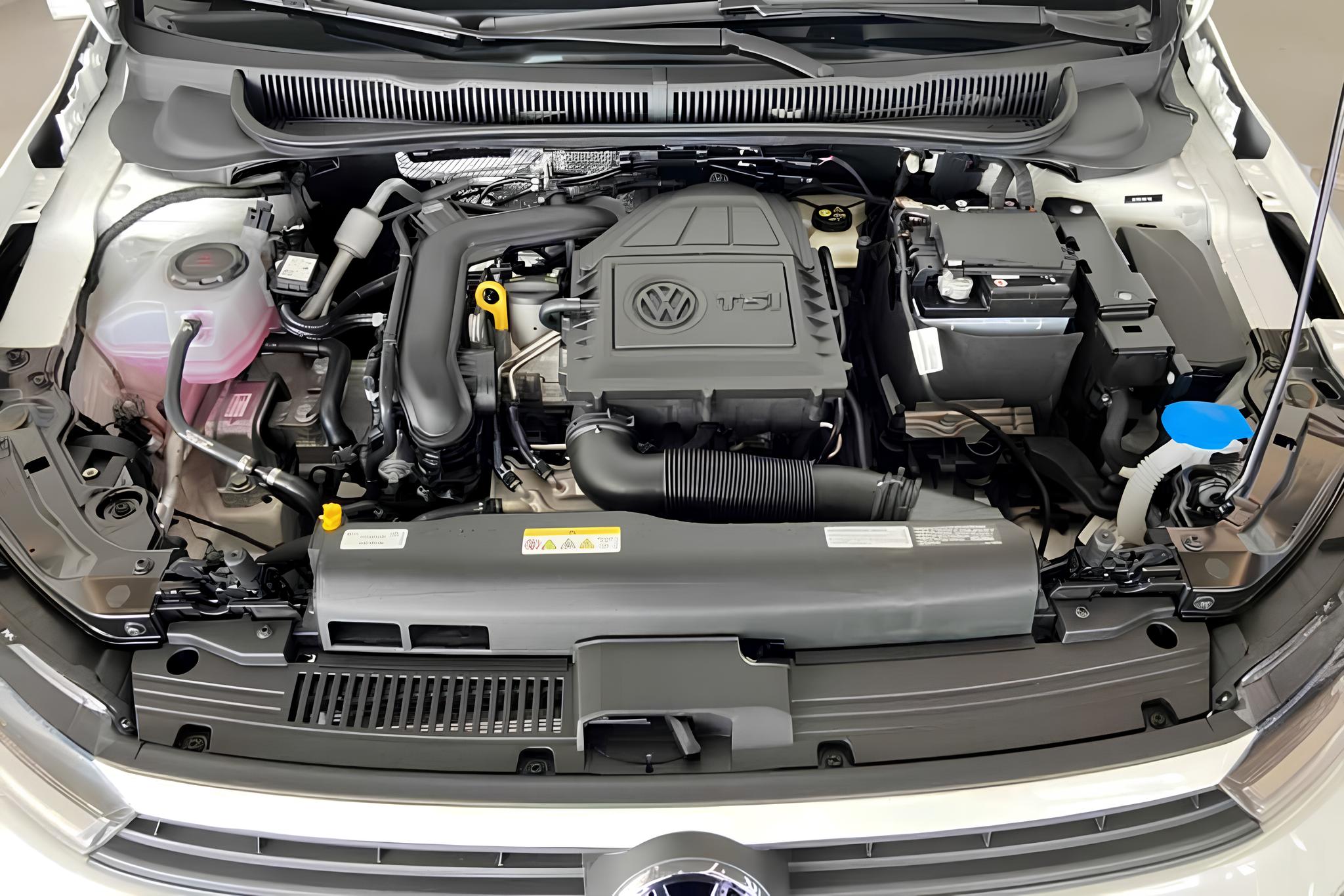

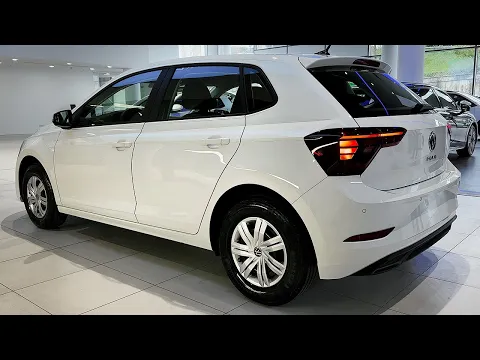
Volkswagen Polo leads among hatchbacks in April 2026 with high range, good consumption, and strong performance in the Brazilian market.
In the partial report for April 2026 displayed in the Best Sellers of Fenabrave, the Volkswagen Polo is at the forefront among the best-selling hatchbacks in Brazil, with 2,759 registrations, ahead of Fiat Argo (2,723), Hyundai HB20 (2,287), Renault Kwid (2,039), and Chevrolet Onix (2,037). This result places the model back in the center of the competition for compact car consumers and reinforces its presence among the strongest names in the national market.
The same data from Fenabrave shows, however, that the Polo’s leadership is confirmed in the hatchback segment, and not in the overall ranking of automobiles for the partial of April, where the Hyundai Creta is ahead with 3,029 units. Still, the Volkswagen hatch remains among the most registered vehicles of the month so far, highlighting the commercial strength of the model in the current scenario.
High range becomes one of the main arguments of the model
One of the factors that helps explain the Polo’s good commercial performance is its energy efficiency. Depending on the version and usage conditions, the model can achieve up to about 769 km of range on a single tank of fuel, considering the tank of approximately 52 liters and a highway consumption close to 14 to 15 km/l with gasoline.
-
Rolls-Royce Turns Heads with 30-Inch Floating Wheels, 6.6-Liter V12 Engine, and 563 Horsepower

-
2019 Kia Sportage EX: A Spacious and Cost-Effective SUV with 2.0 Flex Engine and Panoramic Roof
-
Fiat Strada Becomes Top Seller in June, Surpassing Onix, Polo, Hilux, and T-Cross with 107 HP Engine and 732 km Range.

-
Suitcase-sized hydrogen engine spins at 25,000 rpm, nearly doubling the efficiency of conventional cars and replacing exhaust smoke with water vapor



This level of range is relevant for the Brazilian consumer, especially in a scenario of high fuel costs, where efficiency has become a decisive purchase criterion.
In practice, this means fewer stops for refueling and greater predictability in daily use.
Turbo engine and balanced performance reinforce appeal in the segment
Another point that contributes to the competitiveness of the Polo is its mechanical set. The versions equipped with the 1.0 TSI turbo engine deliver power in the range of 116 hp with ethanol and torque of approximately 16.8 kgfm, ensuring a balance between performance and consumption.
This set allows for consistent accelerations for urban and highway use, while maintaining efficient levels of fuel consumption.
This balance is one of the main differentiators compared to competitors with aspirated engines in some entry-level versions.
Volkswagen’s strategy strengthens presence in the entry-level segment
Volkswagen has repositioned the Polo in recent years to act more aggressively in the entry-level segment, especially after the exit of models like the Gol.

As a result, the Polo has occupied a strategic space in the brand’s portfolio, catering to both consumers looking for a basic car and those wanting more equipped versions. This strategy has expanded the model’s reach and directly contributed to increased sales.
Fierce competition keeps intense rivalry in the segment
Despite its leadership, the hatch segment remains highly competitive. Models like the Fiat Argo, Hyundai HB20, and Renault Kwid maintain a strong market presence, directly competing with the Polo.
Each competitor bets on specific characteristics:
- the Argo with cost-benefit
- the HB20 with technology package and design
- the Kwid focusing on price and economy
Even so, the Polo has managed to stand out due to its combination of efficiency, performance, and strategic positioning.
Fuel consumption and usage cost weigh increasingly in consumer decision
The current economic scenario has made fuel consumption an increasingly relevant factor in car choice.
With the pressure on the cost of living, models that deliver greater autonomy and efficiency gain a competitive advantage.
In this context, the Polo directly benefits by offering a balanced set of consumption, performance, and maintenance cost.
Polo remains one of the pillars of Volkswagen in Brazil
The good sales performance reinforces the role of the Polo as one of Volkswagen’s main products in the Brazilian market. The model has become a key piece in the brand’s strategy, replacing former leaders and establishing itself as a reference in the segment.
This position should be maintained throughout the year, especially if the model continues to show consistent sales performance.
The hatch market in Brazil is expected to remain highly competitive in the coming months. Leadership may vary according to commercial strategies, launches, and economic conditions, but the Polo enters this competition with a consolidated position.
The combination of high autonomy, efficient engine, and market strategy places the model among the main candidates to maintain the top of the segment.