






 Portuguese
  Spanish


Falling prices, hectic resale, and investigation in the United States put FIFA under pressure before the biggest World Cup in history.
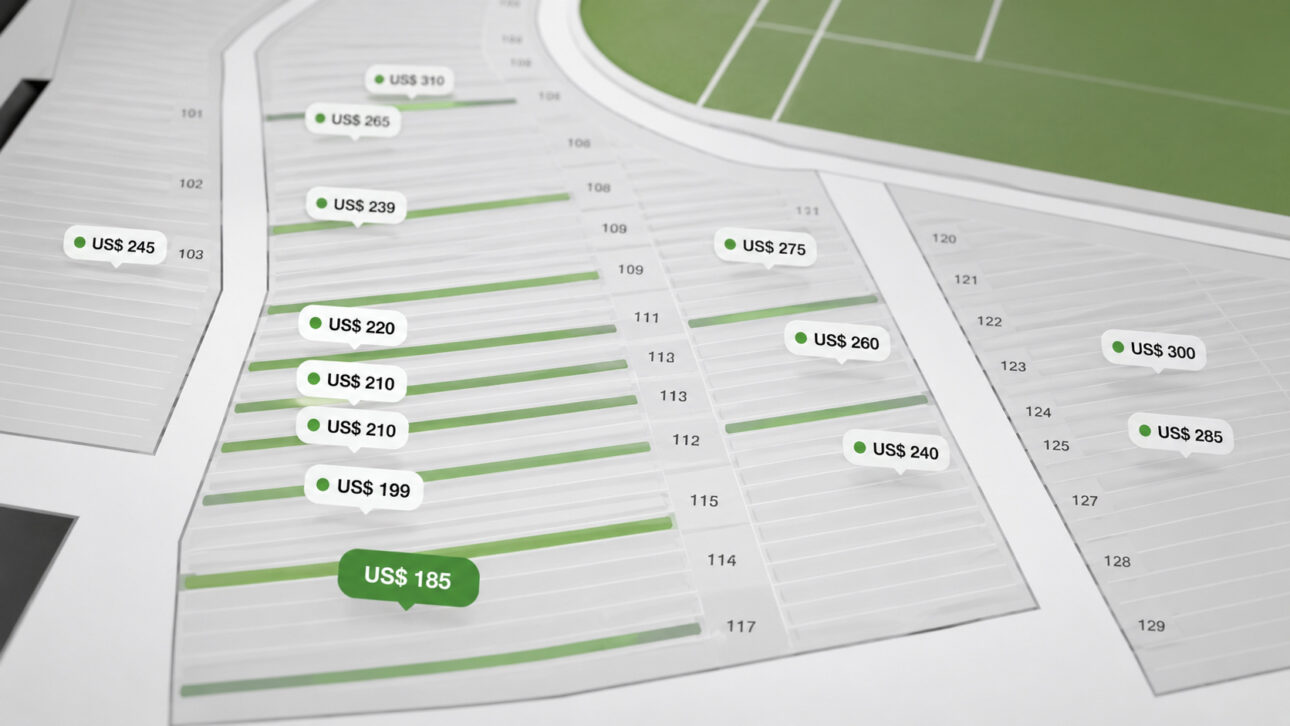
According to BBC Sport, tickets for less popular matches are appearing well below the original price. Thousands of tickets also remain available on official and secondary platforms.
The situation draws attention because Gianni Infantino, president of FIFA, stated in February that all games were sold out. The current scenario, however, shows unstable availability and falling prices.
-
Brazil to Open $100 Million Military Theme Park Featuring Tank Rides and Immersive Experiences

-
Brazilian Multinational WEG to Supply 600 Motors for World’s Largest Lithium Reserve at Thacker Pass, a $2.2 Billion Project in Nevada Funded by U.S. Department of Energy

-
Brazilian Civil Servant Earns $2,800 Monthly but Seeks Legal Help as Bank Loans Consume Nearly 80% of Income

-
Brazilian Pet Industry Giant with $6 Billion Valuation Targets 24 Million Customers, Launches Franchise Model with Six Revenue Streams and $7.80 Subscription Plan for National Expansion


Now, the main question involves the possibility of empty stands at the largest World Cup ever organized by the entity.
Investigation in the United States pressures ticket sales
In the week before the opening, attorneys general of New York and New Jersey opened an investigation into FIFA’s practices.
They are demanding explanations about possible artificial price inflation and potential harm to fans during the purchase process.
Some fans reported paying for one category and receiving inferior seats, further from the field.
Other fans won lotteries without knowing the price list beforehand. Thus, many only discovered the prices when they needed to finalize the purchase.
According to the original text, FIFA adopted variable pricing, altered stadium maps, and created more expensive categories near the field.
These seats cost about 50% more than seats positioned right behind.
Availability changes and increases suspicion about resale
According to TicketData, there were about 74,000 tickets available for 86 of the 104 games on Saturday.
A few hours later, this number dropped to approximately 32,000. By Tuesday, June 2, it reached 22,000 tickets for 66 matches.
Right after this drop on FIFA’s site, the offer on SeatGeek seemed to grow significantly.
They weren’t just isolated seats. On the contrary, batches appeared in entire rows of specific sectors.
SeatGeek denied any partnership or distribution agreement with FIFA. StubHub North America, linked to Viagogo, also stated it has no relation with the entity.
Even so, the movement fueled speculation about an indirect attempt to reduce stock without officially lowering prices.
Less attractive games show stronger decline
The biggest challenge appears in matches with less appealing teams, such as Bosnia-Herzegovina vs. Qatar, Cape Verde vs. Saudi Arabia, and Democratic Republic of the Congo vs. Uzbekistan.
The game Jordan vs. Algeria, in Santa Clara, recorded one of the biggest declines cited by BBC Sport.
Two tickets in block 121, originally sold for $620, appeared on FIFA’s official resale with a 64% discount.
Meanwhile, for Czech Republic vs. South Africa, comparable seats also appeared below face value on platforms like SeatGeek and StubHub.
Therefore, the numbers indicate that some fans did not accept the high prices set for lower-demand games.

FIFA tries to avoid repetition of empty stands
The comparison with the Club World Cup also weighs on the discussion.
In the previous edition, tickets for a match between Chelsea and Palmeiras dropped to around R$ 56, according to the text used as a basis.
Now, FIFA faces the risk of seeing part of the stadiums with empty seats, even after promising sold-out games.
Each empty seat represents a financial impact and image damage for the entity.
Fifa was contacted by BBC Sport, but did not respond to the questions mentioned in the report.
Meanwhile, the price drop, the hectic resale, and the lack of clarity keep a question in the air: will the biggest World Cup in history really be able to fill all the stadiums?


