






 Portuguese
  Spanish


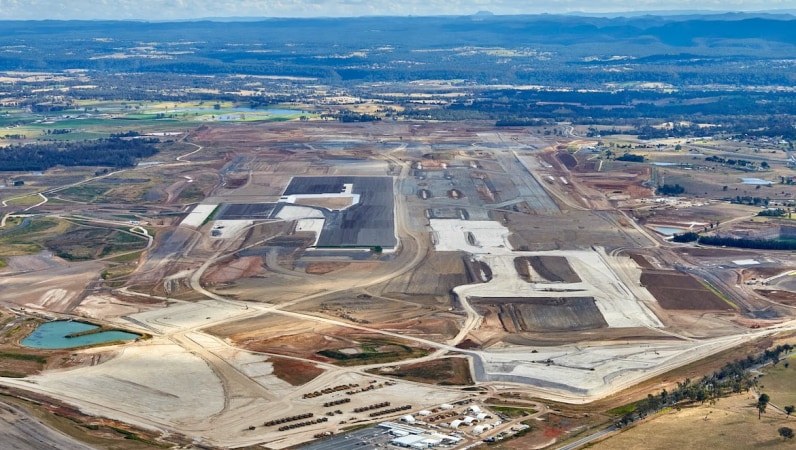
Australia is building from scratch, in the middle of a sparsely populated area west of Sydney, an entire international airport, with the bold bet that a new city, with a metro, railway, and planned neighborhoods, will be born and grow around it: it is reverse urbanism, where the major facility is built first and then the city is expected to appear.
Most airports are born to serve an already existing city. The Western Sydney International, named after aviator Nancy-Bird Walton, takes the opposite path: it is being built in a region of fields and few houses, with the idea that it itself will be the engine of a future city. It is one of the largest infrastructure projects in Australia’s history.
The logic behind this has a name: aerotropolis, the city organized around an airport, like a heart that pumps people, cargo, and business. Sydney, suffocated by an old airport with no room to grow, decided to bet that the west of the metropolitan area, cheaper and with plenty of land, is the place to build the future.
A project of gigantic proportions
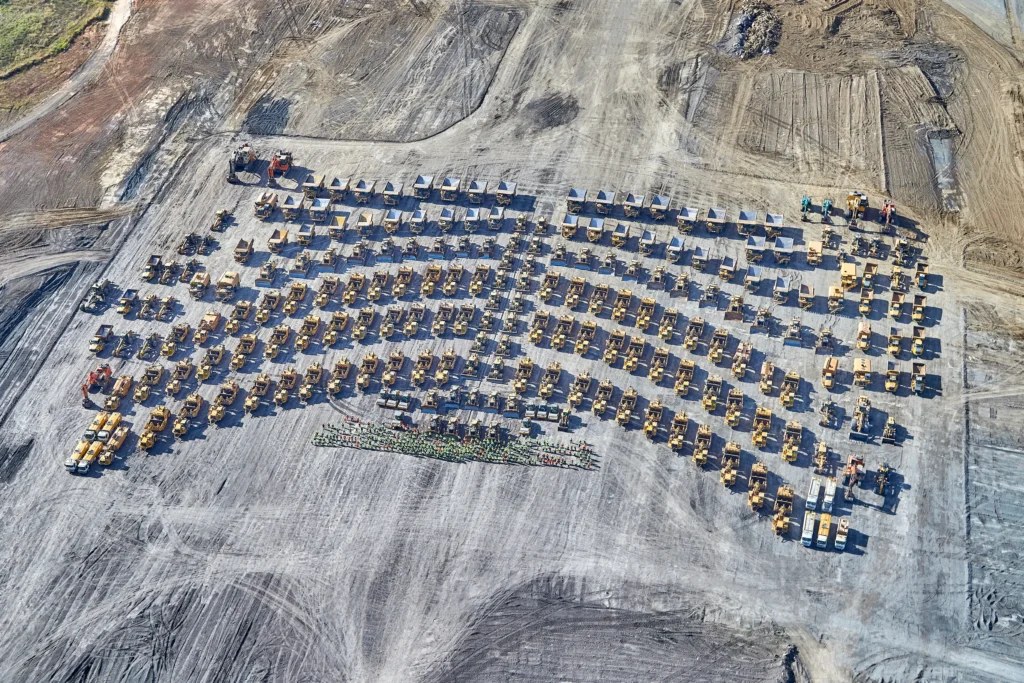
The numbers are impressive. The project moved millions of cubic meters of earth to level the ground, built a runway capable of receiving the largest planes in the world, and constructed a modern terminal from scratch. Major engineering companies, such as the American Bechtel, carried out the project, which employs thousands of workers and is expected to be operational by 2026.
-
17-Story Building with 112 Apartments Opens in Australia to House Homeless Population, Offering Fully Equipped Units with Daily On-Site Support

-
81-Meter Bridge Made from Over 7 Tons of Recycled Plastic Connects Isolated Communities in Panama Canal Basin, Allowing Safe Passage for Over 300 Residents
-
Australia’s First Two-Story 3D-Printed House Built in 18 Hours, 22% Cheaper Than Traditional Methods, Uses Concrete That Hardens in 3 Minutes
-
Architect Converts 1955 Grain Silo into 31m² Home with Full Amenities, Including Kitchen, Bathroom, Curved Living Room, and Loft Bedroom



But the airport is just the beginning. Along with it, Australia is building a new metro line to connect the terminal to the rest of Sydney, as well as roads and the basic infrastructure of a future city. The idea is that traveling, living, and working there will be practical from day one, to attract companies and residents.
It is a very long-term bet, the kind that few countries have the courage to make.
The city that will rise from nothing
The plan foresees that around the airport, the so-called Bradfield will emerge, an entirely new city, planned to house technology centers, industry, housing, and services. Instead of letting growth happen in a disorganized way, as in so many metropolises, Australians want to design everything from scratch, with public transport, green areas, and neighborhoods planned from the drawing board.
The bet is that the airport will function as an economic magnet. Where there are international flights, cargo, and connections, distribution centers, factories, hotels, and offices tend to appear. If successful, the west of Sydney will cease to be a forgotten periphery and become a first-rate economic hub, relieving pressure on the traditional center.
There are risks, of course. Building a city from scratch is expensive and uncertain, and people do not always appear as planned. The world has examples of planned cities that took decades to succeed, or that never filled up. Betting so much money on a promise of the future requires stamina and patience.
Billions at stake and thousands of jobs
The cost of the undertaking is colossal, in the tens of billions, combining airport, metro, roads, and the future city. But the Australian government bets that the economic return compensates: the project already generates thousands of jobs in construction and is expected to create tens of thousands when the airport and the surrounding hub are fully operational, with hotels, warehouses, and factories.
The choice to target the west of Sydney also has social logic. It is a region with a growing population but historically lacking quality jobs close to home, forcing many people to make long daily commutes to the center. Bringing an economic hub closer to these residents can reduce traffic and better distribute wealth across the metropolis, instead of concentrating it in a single saturated center.
A model for the world
The Australian experiment is closely watched by urban planners worldwide. In an increasingly urban planet, where large cities swell and suffocate, the idea of planning a new hub from an airport could become a model, or serve as a warning, depending on the outcome. It is a real-scale urban laboratory.
For Brazil, which is well acquainted with the experience of a planned capital like Brasília, the case draws comparisons. Building cities from scratch is part of our history, with successes and failures, and seeing Australia attempt something similar in the 21st century, now around an airport, is an interesting mirror on the limits and possibilities of urban planning.
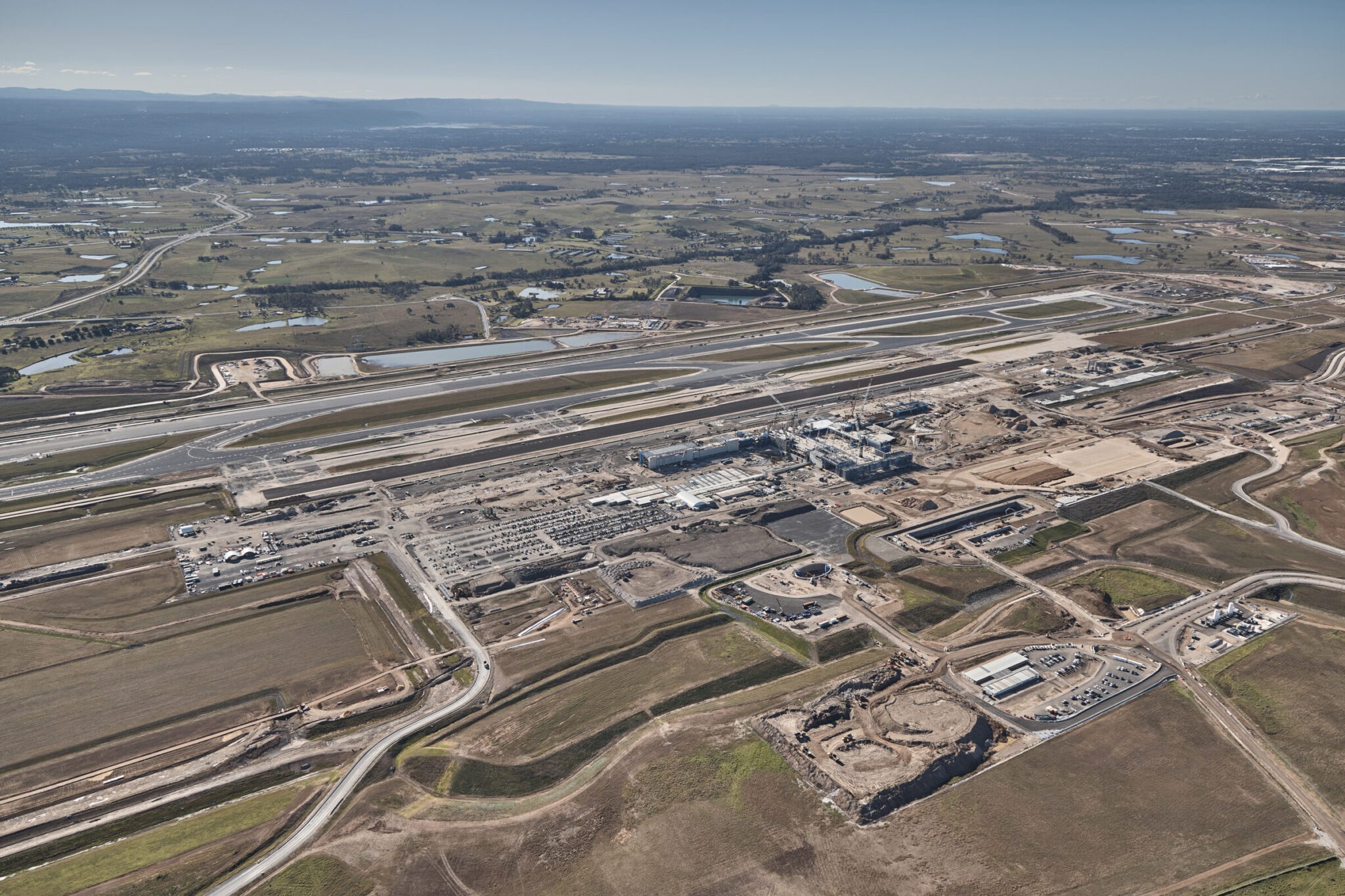
For now, what is seen is an airport taking shape in the middle of nowhere, with the billion-dollar bet that there, in a few years, a city will be bustling. It is infrastructure trying to create demand, not the other way around, in one of the most daring urban experiments underway in the world.
It is worth following the next few years closely. The real test is not to inaugurate the airport, but to see if the promised city really emerges around it, with people living, companies settling, and the economic hub coming to life. That is when it will be known if the bet to build infrastructure before demand was a vision of the future or overly expensive optimism.
If the bet succeeds, Australia will have shown a way to grow in a planned manner. If it fails, it will have left an expensive lesson about the limits of trying to predict the future of cities.
Building a giant airport and only then creating the city around it: vision of the future or too risky a bet?


