






 Portuguese
  Spanish


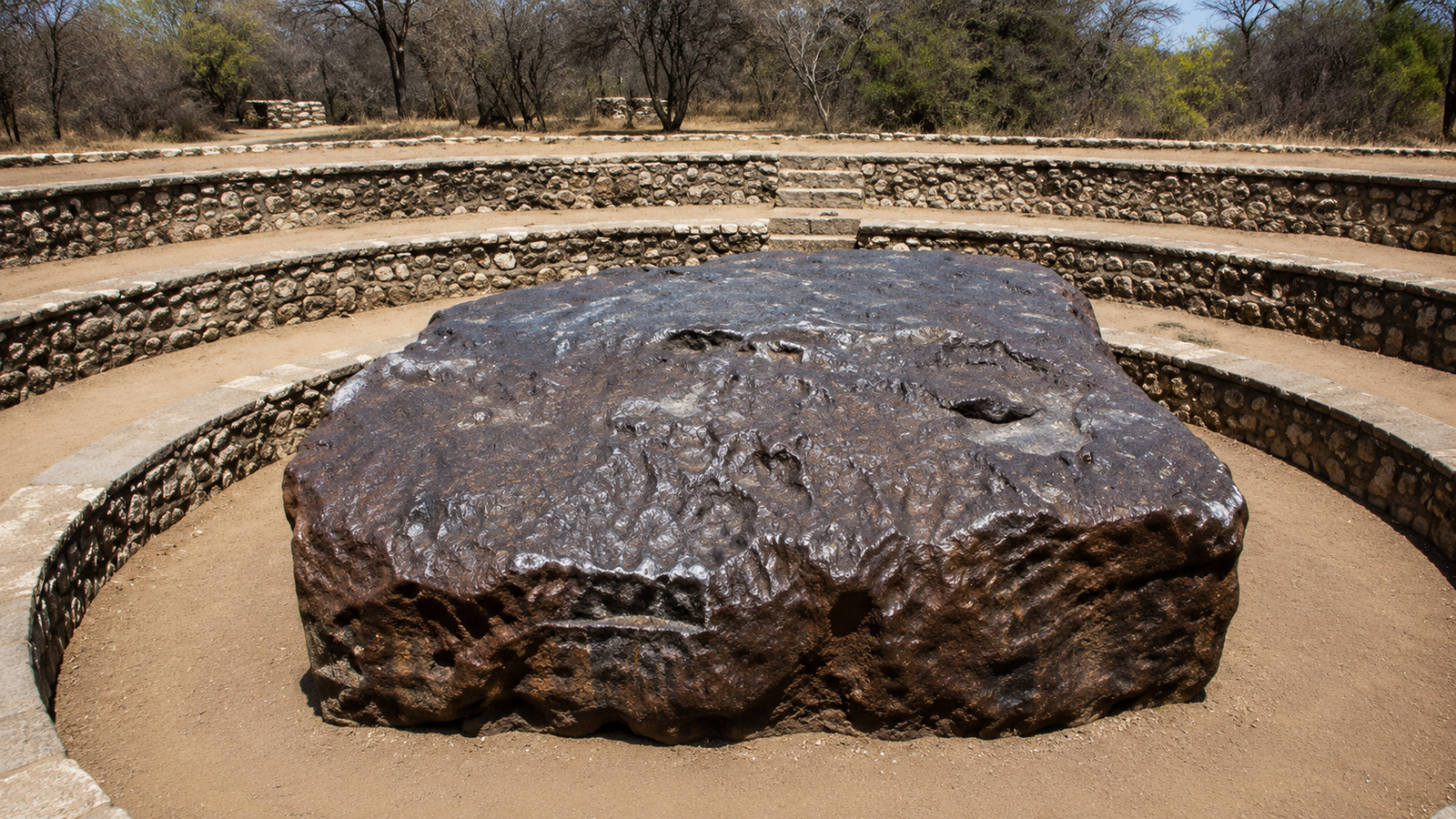

Largest known meteorite in a single piece remains at the location where it was found in 1920 and attracts attention due to its metallic composition, flattened shape, and lack of an evident crater despite its gigantic mass
Weighing about 60 tons, the Hoba meteorite is considered the largest known meteorite in a single piece and attracts attention for an unusual detail: despite its gigantic mass, it did not leave a clear crater. The most accepted explanation involves its metallic composition, flattened shape, reduced speed by the atmosphere, and a less explosive impact.


Largest meteorite in a single piece remains at the location where it was found
The Hoba meteorite is treated as a special case because it was not transferred to a museum nor divided into large blocks.
Its mass made removal practically unfeasible, keeping the object in the same location where it was found.
-
Oceanographer Turns Abandoned Fishing Nets from Brazilian Waters into Bags, Creating Jobs and Earning Over $7,000 Monthly

-
Australia deploys poisoned sausages and uses traps, shooting, and fences in a battle against invasive cats that kill over 1.5 billion native animals annually, threatening more than 200 species.

-
NASA Rover Captures “Tired Face” on Mars, Highlighting Human Brain’s Tendency to See Faces in Rock Formations

-
Ancient Stone City in the Desert, Once Home to 30,000, Puzzles Scientists with Nabateans’ Water Mastery 2,000 Years Ago




This permanence changes the way the meteorite is observed. Instead of being just an isolated piece in a collection, it remains exposed as a natural object at the very point of discovery, offering a rare scale to the study of metallic meteorites.
The block also stands out for combining three hard-to-ignore characteristics: extreme size, almost entire preservation, and the absence of an evident crater in the surrounding terrain.
Metallic composition helped the block resist the atmosphere
Most objects entering the atmosphere lose mass, fragment, or undergo intense heating during descent.
In the case of the Hoba meteorite, the metallic composition helped in resistance until contact with the ground.
The record from the Meteoritical Bulletin Database classifies the object as an iron meteorite. This indicates a formation composed mainly of metals, especially iron and nickel.
This type of meteorite is usually associated with the interior of ancient bodies in the Solar System. Therefore, the Hoba may carry clues about materials formed long before the current landscape of Earth.
Flattened shape may have reduced the fall speed
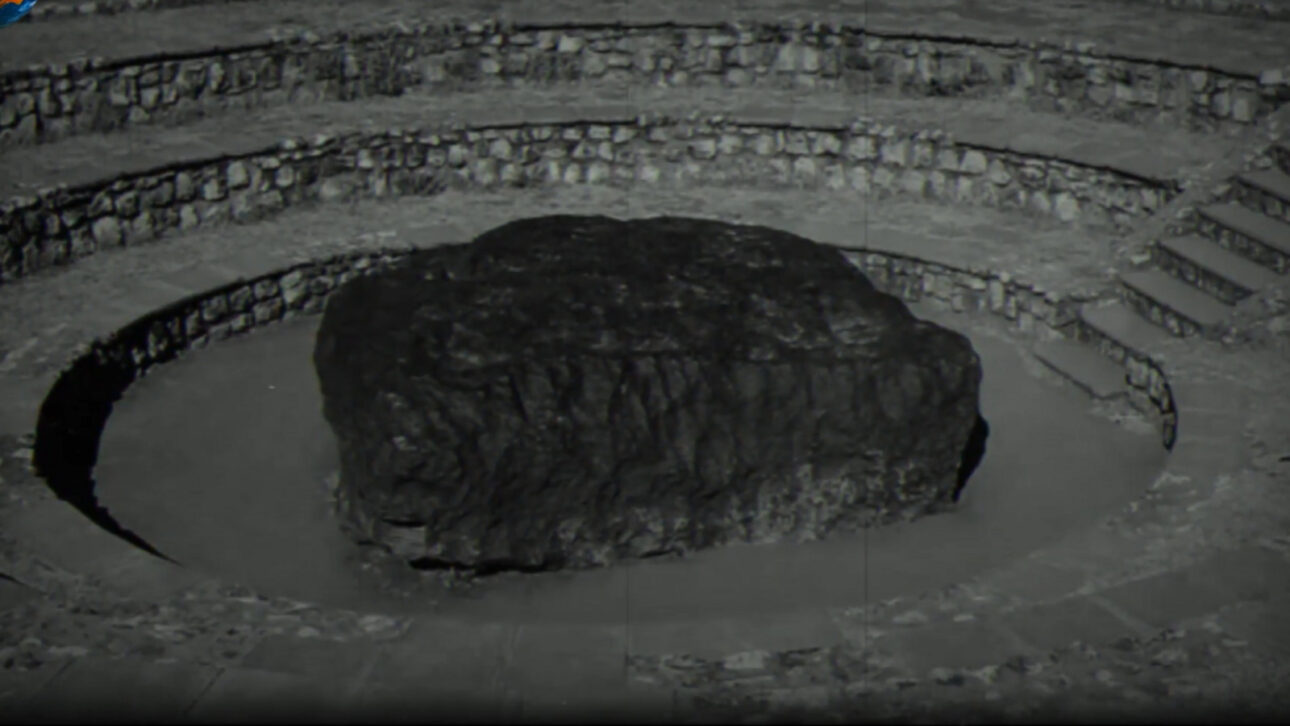
One of the most important points to understand the case is the shape of the meteorite. Being relatively flat, it may have faced greater air resistance during its descent.
The atmosphere, in this scenario, would have acted as a kind of brake. This would help explain how such a large mass reached the ground with a final speed lower than expected for a more destructive impact.
Speed, angle of arrival, and energy released upon contact with the ground are decisive factors for crater formation. Therefore, the object’s weight alone does not fully explain the observed result.
Lack of a clear crater is the most striking point
The absence of a visible crater is the detail that keeps the Hoba meteorite as an intriguing case. A 60-ton block might suggest a huge mark, but the impact seems to have been less explosive.
Among the factors cited to explain this scenario are the low final speed after atmospheric braking, the flattened shape, natural erosion, possible partial burial, and the difficulty of immediate terrain reading.
These elements help understand why the largest known meteorite in a single piece did not leave a scar proportional to its size.

Discovery occurred by chance during agricultural activity
The meteorite was found in 1920, during agricultural activity. The identification drew attention because the metallic block on the ground did not seem like a common rock or an object produced by human action.
Once exposed, it began to attract scientific and tourist interest. Its mass, preserved state, and permanence in the same location reinforced the uniqueness of the case among the large known meteorites.
The Hoba meteorite shows that not every impact from space needs to leave a monumental mark.
In his case, what is most impressive is precisely the combination of fall, resistance, preservation, and silence in the terrain.
This article was prepared based on information from the base material provided and the Meteoritical Bulletin Database, with data, numbers, and classifications preserved as per the consulted material.


