






 Portuguese
  Spanish


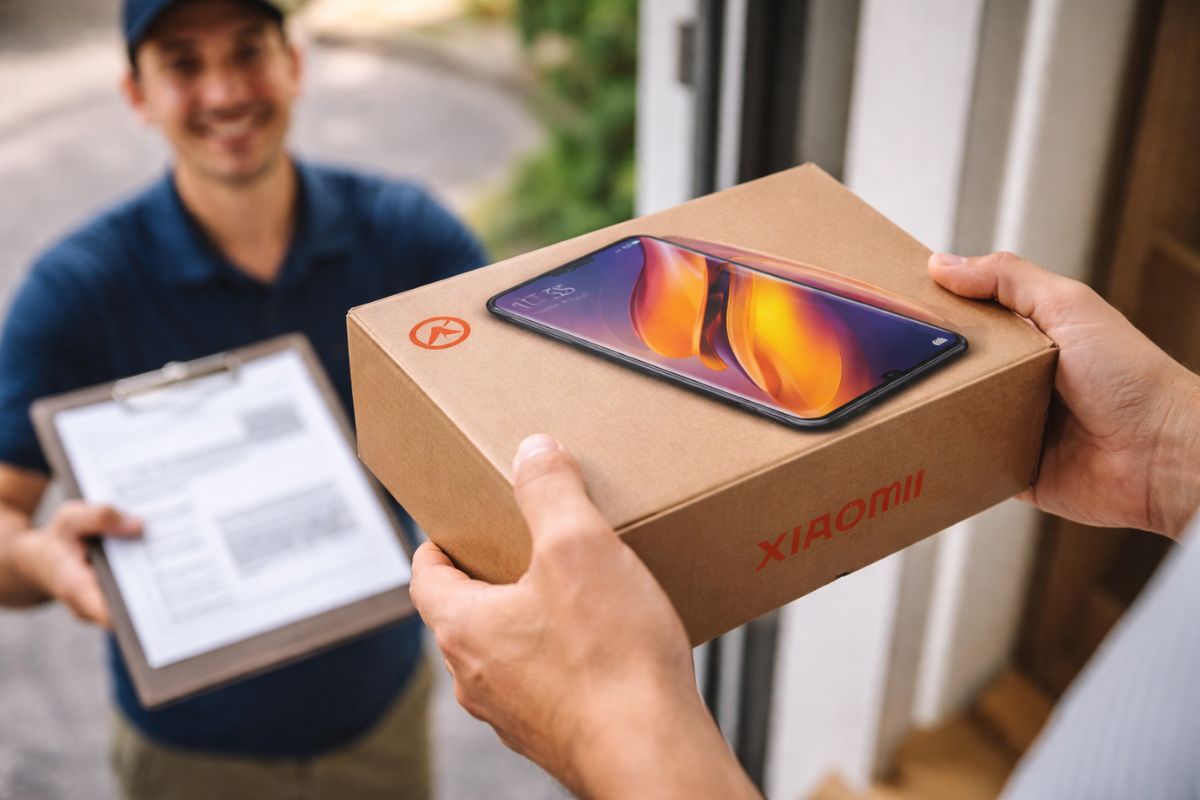


Xiaomi presented the Redmi A7 Pro 5G in India as the first “Pro” model of the Redmi A line, which is the most affordable of the brand. The device costs from 11,499 Indian rupees, equivalent to about R$ 770 in direct conversion, and sales start on April 15.
The smartphone draws attention not only for its price but for delivering specifications that typically appear in more expensive devices. The 6.9-inch display is larger than that of many smartphones that cost three times as much. The 6,300 mAh battery is one of the largest available in any price range. And the support for 5G places the device in a category that, in Brazil, rarely appears below R$ 1,000.
What are the specifications of the Redmi A7 Pro 5G?

The processor is the Unisoc T8300, manufactured using a 6-nanometer process. This chip is less known than the MediaTek Dimensity and Qualcomm Snapdragon that dominate the market, but the 6 nm manufacturing indicates that Xiaomi prioritized energy efficiency to sustain the large battery without compromising basic performance, according to CanalTech.
The RAM is 4 GB in the LPDDR4X standard, and the internal storage can be 64 GB or 128 GB in the UFS 2.2 format. For those needing more space, there is a microSD card slot supporting up to 2 TB, a feature increasingly rare in new smartphones.
-
At 7 years old, boy swaps toy cars for raising bantams, dreams of becoming a veterinarian, and conquers the internet with his routine in the countryside of Santa Catarina; meet Luiz Miguel, the “Piá do Garnizé”

-
New York removed the tracks from over 2,500 subway cars and dumped everything at the bottom of the Atlantic, and what seemed like trash turned into an artificial reef teeming with fish and divers.

-
From matches sold by bicycle at age 5 to a global furniture empire: the lumberjack’s son founded IKEA at 17 in his uncle’s kitchen and transformed a small company into the largest furniture retailer on the planet.
-
The mansion in Flamengo, built in 1865 for the Baron of São Clemente and closed for 20 years, has become a spa, event hall, and gym for “Symphony,” a luxury condominium that sold 70% of its gross development value in the first month on the R$ 60 million land of the former Bennett College.




The rear camera features a main 32-megapixel sensor with an f/2.0 aperture, accompanied by a secondary lens whose resolution Xiaomi has not disclosed. In front, the 8-megapixel camera takes care of selfies and video calls.
The 6.9-inch LCD display operates at HD+ resolution with a refresh rate of 120 Hz and a maximum brightness of 800 nits. The panel has triple TUV certification for protection against blue light, absence of flicker, and adaptation to the circadian cycle, three protections that usually appear only in mid-range and premium models.
The operating system is HyperOS 3, based on Android 16. The device also includes features like HyperIsland, which works similarly to Apple’s Dynamic Island, displaying real-time information in the top bar of the screen.
The construction has an IP52 certification against dust and splashes, weighs 210 grams, and measures 8.15 millimeters in thickness. It retains the 3.5-millimeter headphone jack and offers Bluetooth 5.4 and Wi-Fi 5.
Why is the update policy the real differential?

This is the point that most significantly separates the Redmi A7 Pro 5G from the competition. Xiaomi has promised four years of operating system updates and six years of security patches. For a device that costs less than R$ 800, this guarantee is extraordinary.
Direct competitors in the same price range, such as the Realme C83 and the OPPO K14x, offer only one system update after Android 16. In practice, this means that anyone who buys the Redmi A7 Pro will receive Android 17, 18, 19, and 20, while rivals will remain stuck on Android 17.
In Brazil, where consumers typically keep the same phone for three to five years, this difference is decisive. A device that stops receiving updates loses access to new features, becomes vulnerable to security flaws, and eventually stops running apps that require newer versions of the system. Four years of support turn a cheap phone into a medium-term investment.
Is this phone coming to Brazil?


Xiaomi has not announced plans to launch the Redmi A7 Pro 5G in the Brazilian market. The device was presented exclusively for India, where the Redmi A line has strong appeal among first-time consumers and users seeking 5G connectivity at the lowest possible price.
However, the brand’s history shows that well-received models in India often reach other emerging markets, including Brazil, with adjusted prices and configurations.
For comparison, the most affordable Xiaomi phone sold in Brazil in April 2026 is the Redmi 14C, which appears in stores starting at R$ 719. This model features a 6.88-inch screen with a 120 Hz refresh rate and a 5,000 mAh battery, but operates only on 4G and uses an older processor. If the Redmi A7 Pro 5G were sold here at the equivalent of the Indian price, it would be one of the cheapest 5G options in the country, directly competing with the Samsung Galaxy A16 5G and the Motorola Moto G35 5G, which cost between R$ 900 and R$ 1,200.
What are the points that deserve caution?
The HD+ resolution on a 6.9-inch screen is the weakest point of the set. With 720 by 1,600 pixels spread across such a large surface, the pixel density drops to about 254 ppi. Those used to Full HD screens will notice less sharpness in small texts and detailed images.
The Unisoc T8300 processor has not yet undergone widely publicized independent testing. Although the 6 nm manufacturing is a good indicator, the actual performance in games and heavy applications can only be assessed after practical reviews. So far, there are no public benchmarks that allow direct comparison with the MediaTek Dimensity 6300 used in competitors.
The 15-watt charging is also slow by today’s standards. With a 6,300 mAh battery, a full recharge should take over two hours. Those needing fast charging will miss technologies that are already present in devices in this range, such as the 33 watts offered by Xiaomi itself in models from the Redmi Note line.
The 4 GB of RAM is sufficient for basic tasks but may limit the use of multiple applications at the same time. In comparison, several Brazilian competitors in the price range of R$ 700 to R$ 1,200 already deliver 6 GB or 8 GB of RAM.
What does this launch reveal about the market for cheap cell phones?
The Redmi A7 Pro 5G is not the most powerful or the most beautiful phone in its range. But it sets a new benchmark for what a device under R$ 800 can offer: a large screen, a battery that lasts two days, 5G connectivity, and four years of support for the operating system.
This combination directly pressures Samsung, Motorola, and Realme, which dominate the entry-level segment in Brazil. If Xiaomi decides to bring the model to the Brazilian market at a competitive price, the response from competitors will likely come in the form of more updates and larger batteries in their own affordable models. And who benefits from this pressure is the consumer. What do you think about that?


