






 Portuguese
  Spanish


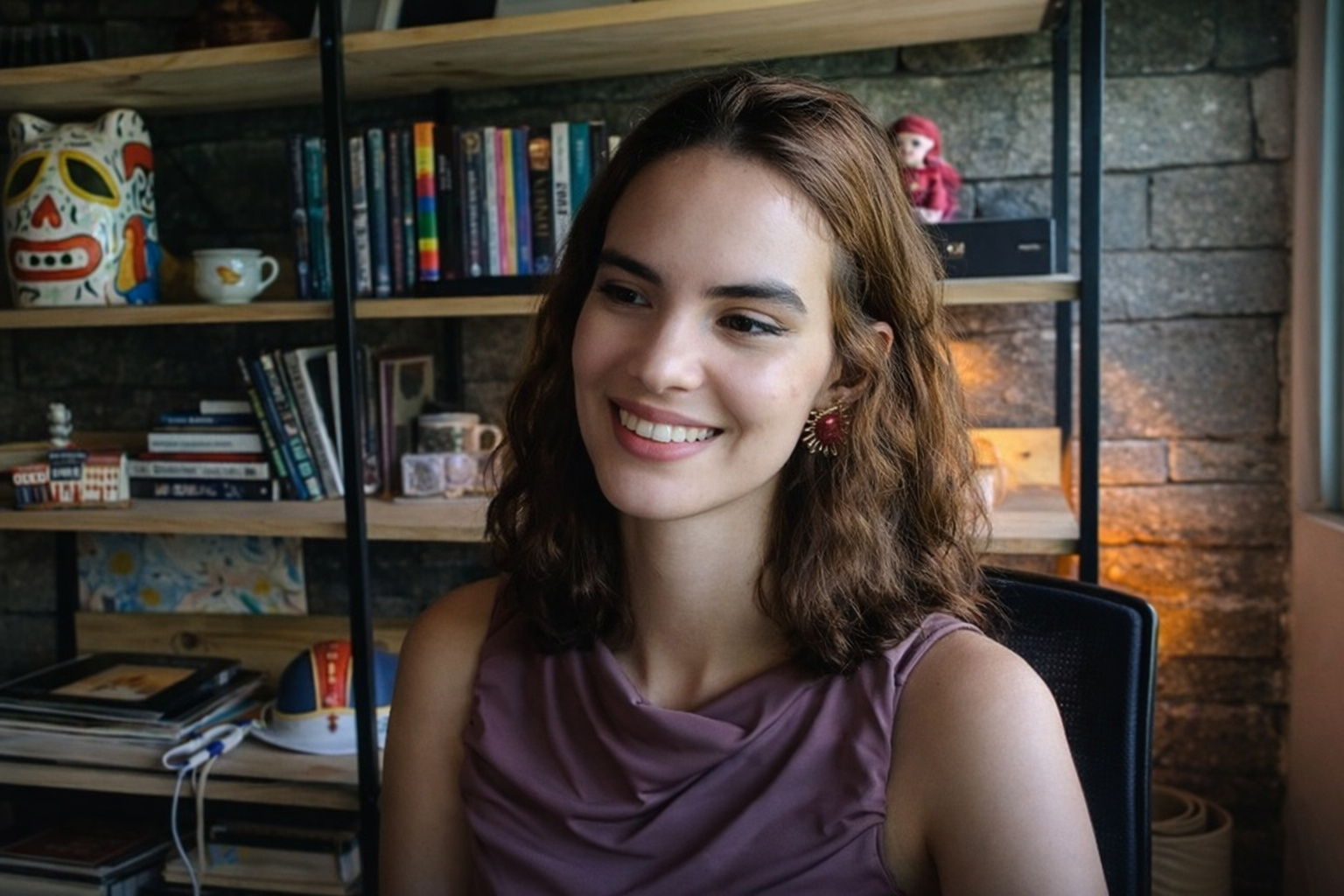

The story of young Beatriz, who had only one pair of shoes, bet on free technology courses and transformed her own life in Recife became a symbol of the power of digital inclusion.
The story begins in a way that captivates the reader right from the start. At 15, Beatriz Delmiro had only one pair of shoes, and it was with them that she faced a long journey to the Computer Refurbishment Center of the Ministry of Communications in Recife. It was there, amidst free courses and technology classes, that the young woman began to change a destiny that seemed limited by a lack of money and opportunities. Today, at 25, she leads a digital marketing agency, is completing her degree in Information Systems and Design, and helps support her family.
Daughter of a humble family with seven siblings, Beatriz arrived at the program with little knowledge of computers and difficulty speaking in public. What seemed like just another chance to study turned into a complete turnaround.
At the CRC of the Ministry of Communications, she completed free courses in computer refurbishment, web design, robotics, and tools like Word, Excel, and PowerPoint.
-
Workers renovating a playground in northern England uncover 176 World War II bombs buried underground; training artifacts still contained explosives.

-
Brazilian Architect Transforms Waste into Sustainable Homes with Solar Power and Rainwater Systems for 40 Years

-
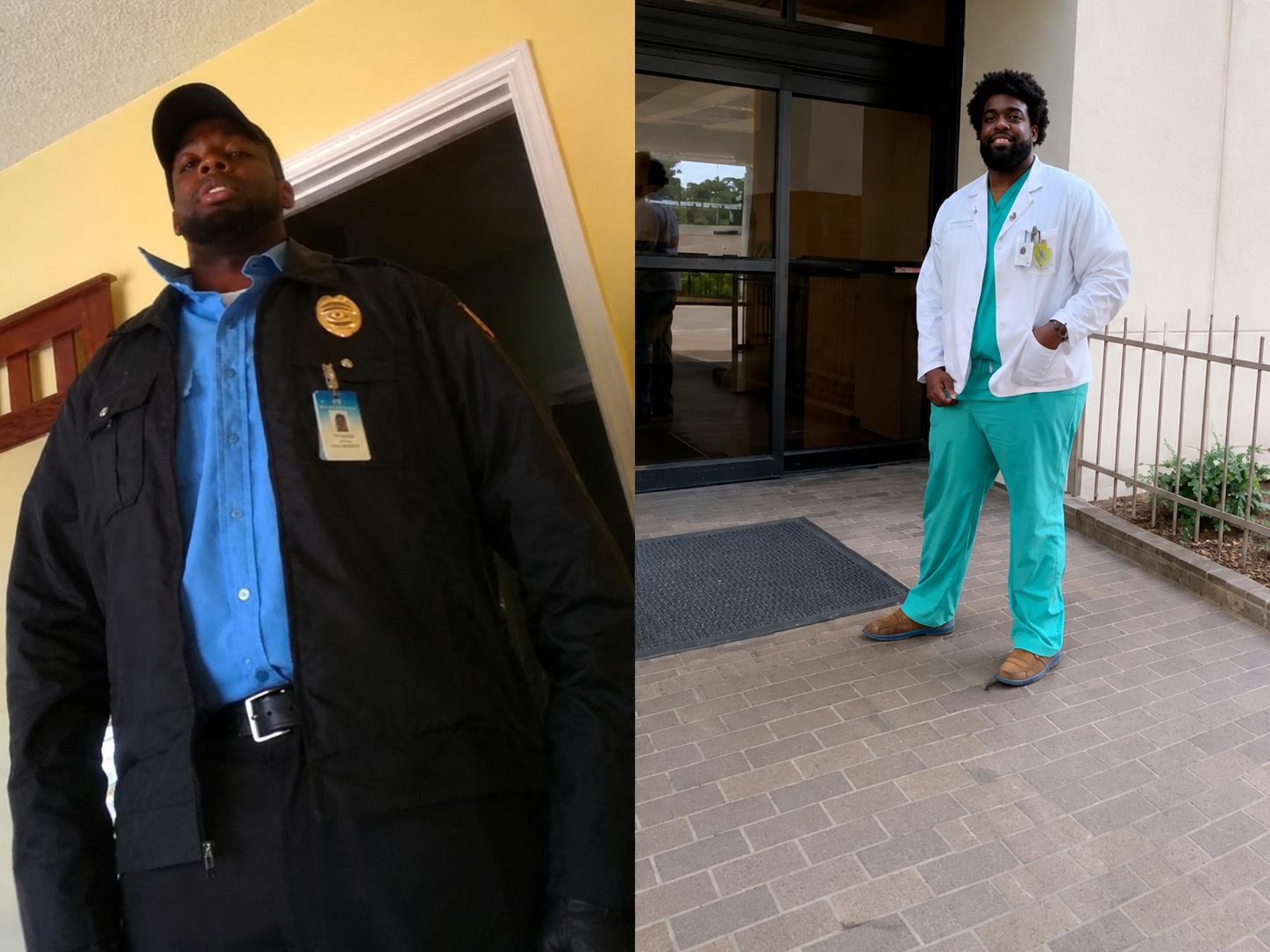
Security Guard Becomes Doctor at Louisiana Hospital Where He Once Worked, Studied Chemistry Between Shifts

-
Woman Rescued from Luxury Complex in Brazil Worked Without Pay for 55 Years, May Be Entitled to Over $300,000



The routine was intense. She attended classes every day, often in more than one shift, until she turned effort into a real opportunity.
From a pair of shoes to the first salary: when free courses became a way out
The change did not take long to appear. At 16, Beatriz was recommended for her first internship at the Joaquim Nabuco Foundation, where she worked with computer maintenance and repair.
Then, at 18, she secured her first formal job at the Social-Educational Assistance Foundation, Funase.
The professional leap came in sequence, driven by practical experience, technical training, and contact with a universe that previously seemed too distant for someone from her reality.
Today, the young woman runs a digital marketing agency alongside a partner from Rio Grande do Sul. What was once survival has turned into a career, income, and entrepreneurship.
The journey has also brought achievements that weigh heavily because they were born from scarcity: the first cell phone, the bicycle for commuting, professional trips, and the chance to teach her siblings and others around her.
The story of the young woman who went from a pair of shoes to leading a business in Recife gained strength precisely because it shows a tangible, concrete transformation that is hard to ignore.
The program that changed the young woman’s life has already reached thousands of people in Pernambuco
Beatriz’s story is not an isolated case within the program. In April 2026, the Ministry of Communications reported that Pernambuco has already trained 10,000 people in new technologies through Computers for Inclusion.
In the same update, the department stated that the program has trained 80,000 Brazilians across the country, with courses ranging from basic computer skills to design, programming, computer maintenance, and smartphone repair.
The reach of the initiative has also grown in the state. In January 2026, the Ministry reported that Pernambuco received 126 new computer labs in 25 municipalities throughout 2025, with 799 refurbished computers.
The logic of the project combines two powerful fronts: repurposing equipment that would be discarded and transforming this process into free courses, technical training, and access to the job market for low-income individuals.
Digital inclusion goes from discourse to income, market, and future
This is where the story gains even more weight. Computers for Inclusion does not operate merely as a distribution of machines.
According to the Ministry of Communications, the Computer Refurbishment Centers are spaces dedicated to the refurbishment of electronic equipment, offering courses and workshops, and the proper disposal of electronic waste.
The focus is precisely on young people and adults in situations of social vulnerability, with training aimed at the use of technology, creativity, and professionalization.
In January 2026, an official announcement indicated that the program had reached 70,000 donated computers in Brazil, impacting over 700,000 people.
As early as August 2024, during an agenda in Recife, the Ministry had announced the delivery of 500 computers for computer labs in Pernambuco and the graduation of 150 students trained in local CRC courses.
This helps explain why stories like Beatriz’s have ceased to be exceptions and have begun to serve as showcases for a public policy that connects technology, income, and inclusion.
The phase of the single pair of shoes is behind, but the impact continues
The strongest detail of this story may lie precisely in the contrast. The young woman who once had only one pair of shoes and crossed the city to study has now renovated the agency’s office, set up the decor she has always wanted, and continues to build new goals.
What has been left behind is not just material lack. What has been left behind is the feeling that technology, design, and the digital market were paths reserved for other profiles, other classes, and other realities.
At a time when the debate about employment, qualification, and the future of young people is gaining strength again, stories like this resonate because they show visible results. It is not a promise. It is not empty discourse. It is a real young woman, with a tough past, who found in free courses a concrete way to change her own life.
And this type of transformation has an effect that goes far beyond an inspiring biography: it exposes the magnitude of the impact that digital inclusion can generate when it truly reaches those who need it most.
Comment on what you think about Beatriz’s story and share this article with those who believe in the power of free courses to change lives.


