






 Portuguese
  Spanish


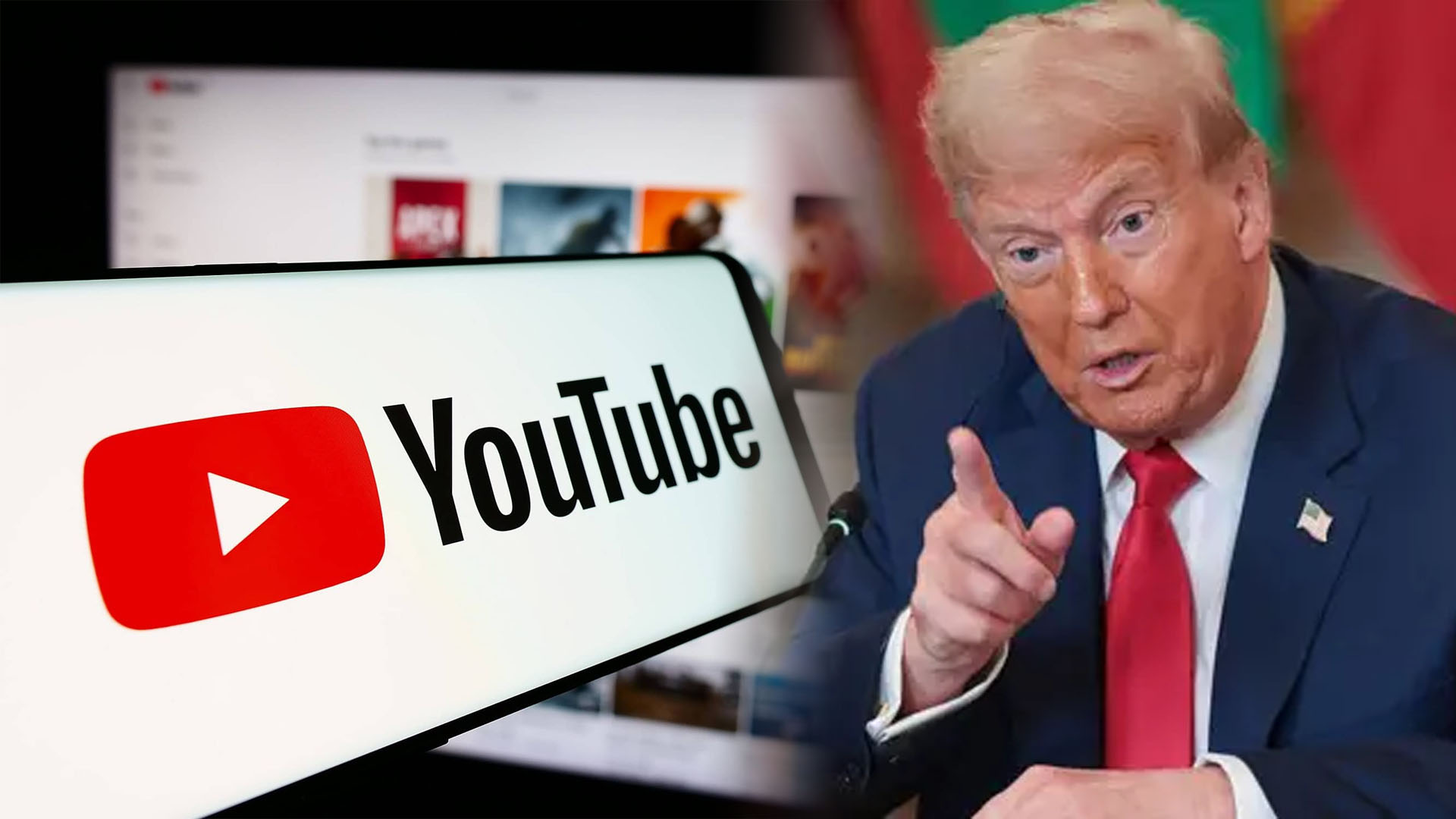
Alphabet Platform Reaches Financial Settlement Without Admitting Guilt and Maintains Policies, But Trump’s Account Had Already Been Reinstated in 2023.
YouTube agreed to pay US$ 24.5 million to settle the lawsuit filed by Donald Trump after the suspension of his accounts in 2021, in the wake of the Capitol attack. The platform did not admit to any wrongdoing and stated that it will not make any product or policy changes as part of the settlement.
According to the disclosed terms, US$ 22 million will be directed to the Trust for the National Mall, a nonprofit organization that supports infrastructure projects in Washington and is linked to the funding of the so-called White House State Ballroom; the remaining US$ 2.5 million will go to other plaintiffs, such as the American Conservative Union and writer Naomi Wolf.
The suspension on YouTube was imposed in January 2021 due to the risk of inciting violence. The restrictions lasted over two years and were lifted in March 2023, when the company revised its moderation guidelines and reinstated Trump’s channel.
-
Controversial 6-day Workweek Elimination in Brazil Faces Economic Criticism Over Productivity Claims

-
Itaú to Refund Customers After 14 Years of Unauthorized Credit Card Charges; Agreement Includes No Interest or Adjustments, Deadline by 2028, with Potential Impact of Up to $6.5 Billion

-
Brazilian Company Grows from Bartering Soap for Food to Producing 30 Million Units Monthly, Challenges Global Giants with $100 Million Revenue and Expands into Premium Cosmetics
-
Petrobras and Engeko’s New Investment Plan Promises Billions and Thousands of Jobs, Capturing Market Attention


The settlement on September 29, 2025, resolves one of the most emblematic cases regarding content moderation, freedom of speech, and platform responsibility in the post-January 6 landscape. Experts highlight that the financial solution avoids a new judicial test of Sections 230 and the First Amendment.
What Was Decided in the Settlement
The settlement ends the dispute initiated by Trump in 2021 against YouTube and its parent company, Alphabet. The goal was to contest the suspension and seek compensation for alleged damages. The agreement reached avoids a trial and terminates the lawsuit.
Alphabet confirmed that it did not admit guilt and that it will not change policies or tools due to the settlement. For users and creators, nothing changes in the current rules regarding safety and integrity.
The financial flow stipulates that most of the amount will go to the Trust for the National Mall, justified by the support of public infrastructure projects in Washington, including the event hall at the White House mentioned in the documents. Other beneficiaries include entities and individuals involved in the action.
Context: 2021 Suspension and Return in 2023
In January 2021, following the Capitol attack, YouTube imposed restrictions on Trump’s channel due to the risk of further violence. At that time, other platforms also acted, sparking a global debate on limits of moderation.
In March 2023, YouTube reinstated the ability to post new videos, citing changes in context and policies. The channel returned, but the lawsuit continued to proceed until now.
Today’s decision only resolves the case against YouTube. The case was part of a larger set of actions filed by Trump in 2021 against major platforms, with similar outcomes throughout 2025.
Other Settlements: Meta and X Also Paid
Before YouTube, Meta reached a settlement of US$ 25 million to close a similar litigation. Although the details vary, the company had also reinstated Trump’s accounts in 2022–2023.
In February 2025, X (formerly Twitter) agreed to pay around US$ 10 million to settle the lawsuit regarding the 2021 suspension. Just like in the YouTube case, there was no admission of guilt.
With the settlement announced now, the cycle is closed on the 2021 actions against the three major platforms, consolidating a trend: financial solutions without a comprehensive review of moderation policies.
Repercussions and Political Reading in the Technology Sector
The settlement comes with Trump back in the Presidency, which has reignited the sector’s attention to import tariffs, the semiconductor industry, and platform regulations. Executives have sought stable institutional relationships with Washington to preserve supply chains.
Symbolically, Tim Cook, CEO of Apple, was seen handing Trump a piece of glass on a base of 24-carat gold, in a video released in August. The gesture was portrayed as a sign of commitment to domestic production and industrial investments.
Analysts interpret these moves as attempts to reduce friction with the government and maintain regulatory predictability, while still adhering to existing safety rules for political content on platforms.
What Changes for Users, Creators, and the Moderation Agenda
For YouTube’s audience, there are no immediate changes to the guidelines regarding misinformation and incitement to violence. The company reaffirmed the known safeguards and appeal processes.
For creators and brands, the message is twofold: rules remain, but litigation comes at a cost. The recent history indicates that platforms prefer financial settlements to setting new precedents in court regarding moderation.
In the public debate, the case reinforces the importance of transparency, due process in suspensions, and risk governance during election periods. The discussion on how to balance safety and freedom of expression will remain at the forefront.
And now, your opinion matters: Did YouTube do well by paying and maintaining the rules? Or should the platform have reviewed moderation after the settlement? Leave your comment. For you, what weighs more, safety or freedom of expression on social media?






Be the first to react!