






 Portuguese
  Spanish



With the 9th Largest Rail Network in the World, But Low Density, Brazil Prioritized Highways. Understand Why the Trains in Brazil Were Left Behind and the Costs of It.
Brazil has the 9th largest railway network in the world. It sounds good, but it’s not. Our rail density is very low for our size and exports (iron, food). France, which is smaller, has much more track per km². Why are Brazilian trains so scarce today? What happened to our railways, and why don’t we have more trains in Brazil?
The Peak and the Beginning of the Decline of Trains in Brazil
The history of Brazilian railways began in 1828, during the Empire. But the first tracks only came off the drawing board in 1854, with Barão de Mauá in Rio de Janeiro. The network grew quite a lot after that. It reached almost 29,000 km in length by the 1920s. And, surprisingly, it has remained almost the same size to this day.
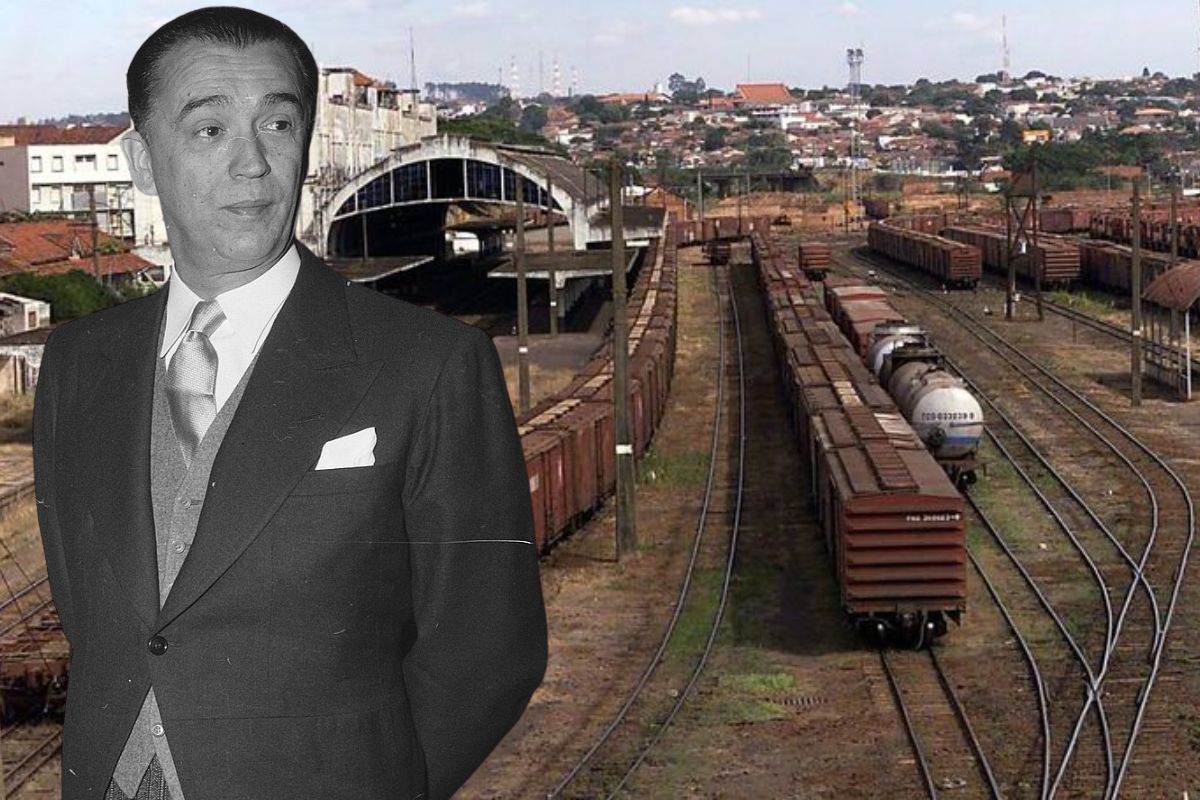
The decline began during the government of Getúlio Vargas (1930s). The focus shifted to the construction of highways. The railways were nationalized. Juscelino Kubitschek (1950s) tried to invest in expansion but was unsuccessful. Burdened with debt and without new investments, state railways closed branches. The Brazilian rail network was dismantled. Nationalization and poor public management were crucial to the abandonment of trains in Brazil.
-
Brazil’s 2026 Tax Refund: Record 9.58 Million Filers in Largest Payout Ever, But a Key Detail on Priority Recipients Draws Nationwide Attention

-
Itaú Alters Hybrid Work Model, Increasing Office Days from 2028, Prompting Employees to Adjust to New Routine
-
Facing Labor Shortage, Japan Plans to Invest $34 Million to Attract Foreign Workers in Construction, Healthcare, Industry, and Commerce

-
Brazilian City Makes Remarkable Leap, Becomes 4th Wealthiest in the Country with GDP of R$ 134.1 Billion




The Era of Highways: Poor Management, Lobbying, and the Costs of the Choice

The predominance of highways was not a strategic and thought-out choice. It was the result of years of poor management. Building roads was easier and cheaper. The railways deteriorated due to lack of maintenance and competitiveness. There is suspicion of strong pressure from oil companies and truck manufacturers on the government.
Even today, poor management affects new railway projects. Works are delayed, with no projection of costs or deadlines. The scandal of overpricing of the Norte-Sul Railway (R$ 1 billion deficit) is an example. Brazil is the only country in the world with a predominance of highways. The USA, Russia, Canada, France, Germany, and India have more developed railway networks, showing that the problem is not size or wealth, but management.
The Problems of Road Dependence in Brazil
Highways transport 75% of Brazil’s total cargo. This creates enormous vulnerability. A stoppage, like the truckers’ strike of 2018 (caused by the rise in diesel prices), can stop the country. The system depends on many factors: diesel price, labor (truck drivers), constant maintenance of the roads.
Maintenance via concessions generates risks of corruption and overpricing. Oversight is difficult. All these problems (tolls, accidents, corruption, fluctuating costs) directly impact the final price of goods for consumers. Every product has embedded transportation costs.
Railways vs. Highways: The Ignored Advantage of Trains in Brazil
Comparatively, railways are more advantageous in many aspects. According to Abifer and the Ilos study:
- Cost: Transporting 1,000 tons by train costs R$ 43/km, versus R$ 259/km by highway (6x more expensive).
- Energy Efficiency: Trucks consume 13x more energy per ton/km.
- Capacity: 1 track is equivalent to 14 highway lanes. 1 train (200 wagons) carries the same as 400 trucks.
- Impact: Adding 1 cargo train is equivalent to removing up to 280 trucks from the streets.
- Pollution: Railways pollute less, especially electric ones.
- Autonomy: Diesel trains can run over 1600 km without refueling.
Despite this, the share of trains in Brazil in freight transport has fallen (from >20% in 2006 to 15% currently), while that of highways has increased.
The Future on the Tracks? Challenges and Benefits of More Trains for Brazil


Why is there no greater investment in railways, even with so many advantages? According to IPEA, the current challenges are:
- High Construction Costs: Up to 4x higher than highways.
- Projects in Urban Areas: Generate impact and risk of accidents.
- Short Concessions: A 30-year term is not attractive for investors (they would need 60 years).
- Passenger Trains: Low population density makes it unviable in most of the country (exceptions: ABC Paulista, Rio-SP).
However, the benefits of more trains in Brazil would be immense: fewer trucks in cities, reduction of pollution and cargo theft, and up to 30% savings in transportation costs. The ideal solution would be an integrated system, using trains, highways, waterways, and air where each is more efficient. The central problem seems to be the lack of political will and long-term vision, with expensive projects being abandoned between governments.








