Portuguese
  Spanish


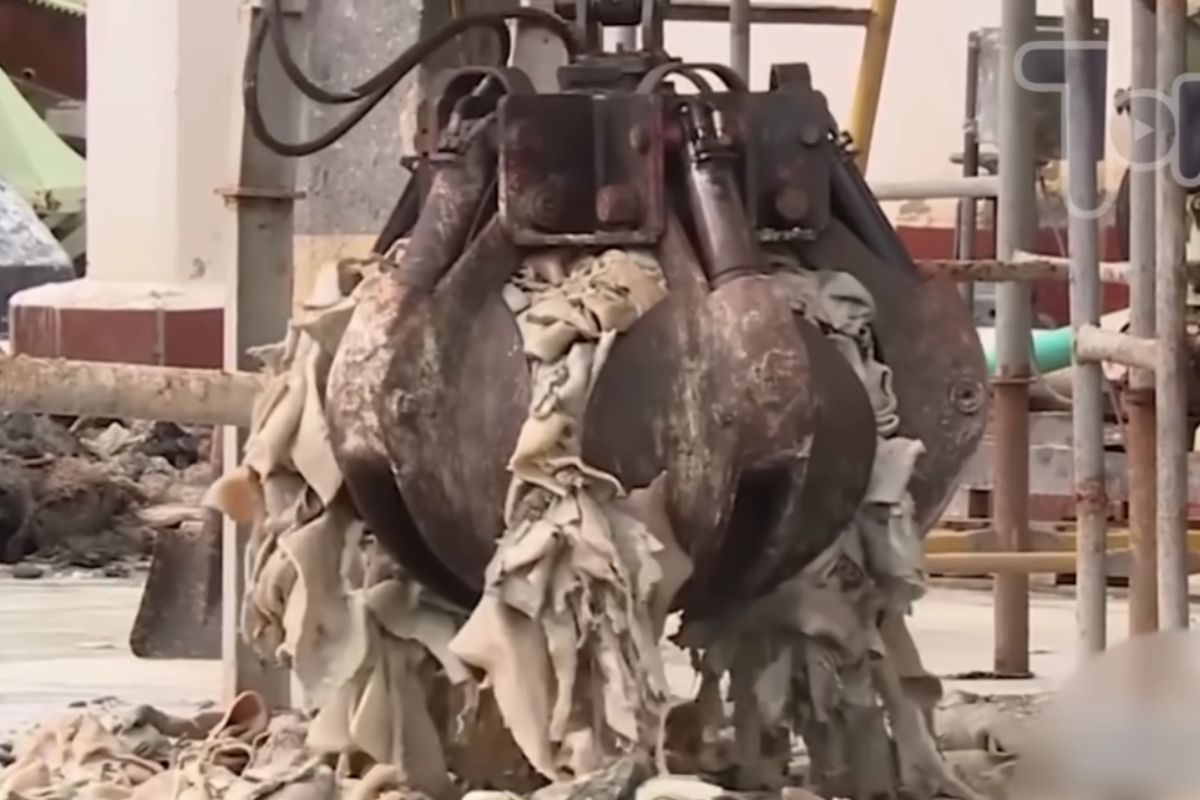


A Survey Shows How 15 Popular Foods Made With Ground Leftovers, Chemical Additives, And Gases Reach The Consumer’s Table Disguised As Common Products.
Many products considered part of everyday food have a little-known industrial origin. According to the channel Top 10, several popular foods made with leftovers undergo intense processes of grinding, addition of colorants, preservatives, and even gases to gain attractive appearance and flavor.
According to the analysis, items such as gelatin, sausage, nuggets, bologna, ice cream, and even boxed juices are among the examples of products that, in their final form, bear little resemblance to the original raw materials.
Who Are The Main Examples Of Popular Foods Made With Leftovers
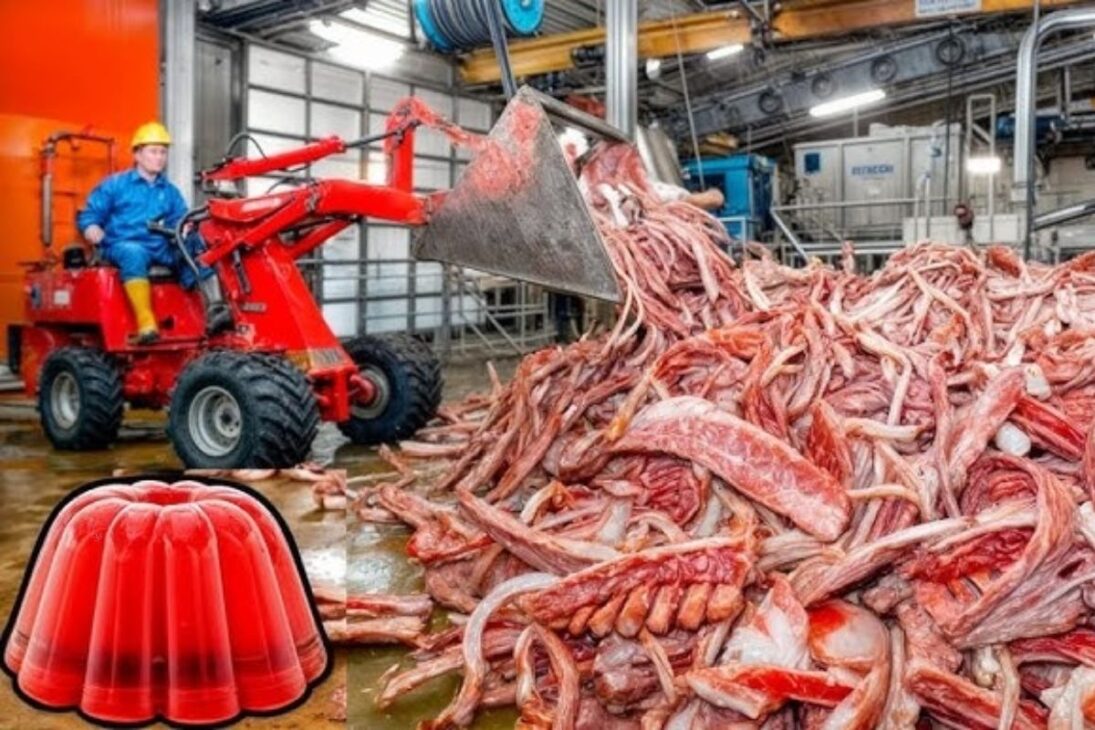
The video starts by highlighting gelatin, made from collagen extracted from animal bones, skin, and cartilage, subjected to acid baths, filtering, and grinding.
-
Stingless Bee Honey from Brazil Can Cost Up to $120 a Liter, Surprises with Flavors of Wood, Citrus, and Even Cheese

-
Woman Claims to Have Spotted a Technical Pattern in Recent FIFA Tournaments, Predicts Possible World Cup Winner
-
Chevrolet Offers Chance to Win a 2026 Sonic RS for Free via WhatsApp
-
Earthquake vs. Tsunami: Which Causes More Destruction and Why One Can Be Even More Dangerous


Only at the end of the process are colorings and flavorings added.
In sausages, lower-value cuts and scraps of meat are ground down into a paste with salt, fat, and preservatives like nitrite and nitrate.
In chicken nuggets, skin, bones, and cartilage are also ground and mixed with additives before being coated in flour and fried.
How Much Chemistry Is In These Products
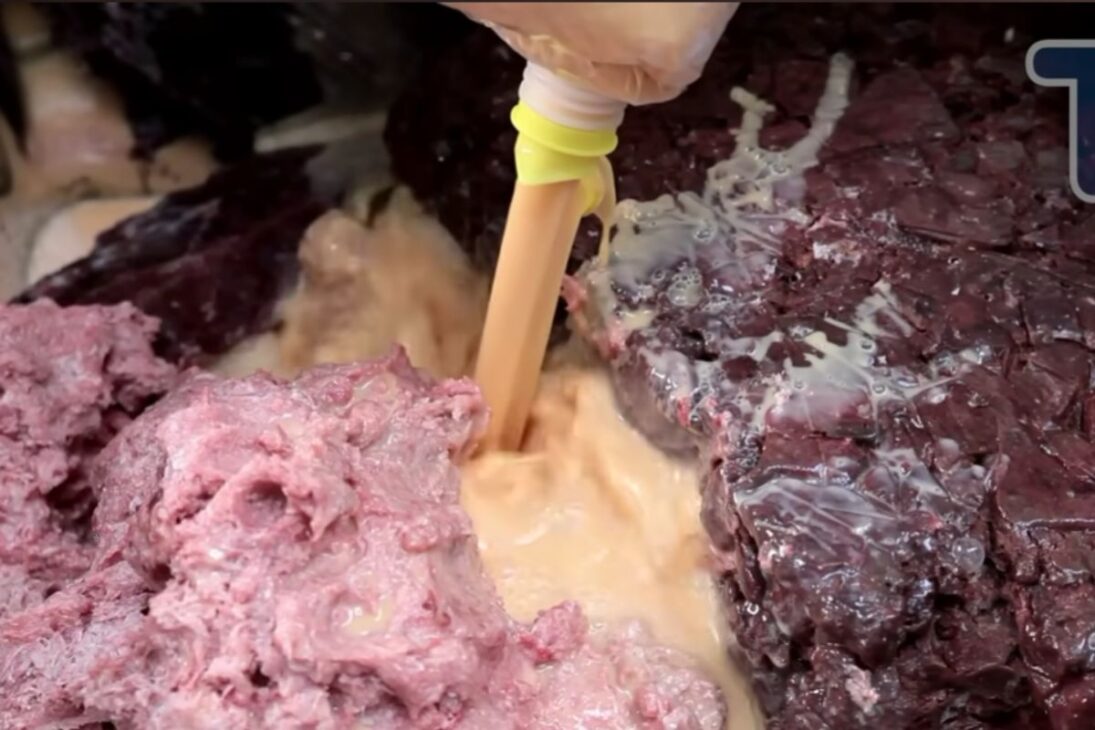
The content explains that foods like liver pâté and bologna use lower-grade parts of animals, high amounts of fat, and preservatives.
In the case of bologna, the visible white specks in the slices would actually be fat ground excessively.
Margarine, for its part, results from the hydrogenation of liquid vegetable oils with metal catalysts, a process that can generate undesirable trans fats.
Industrial ice cream mixes hydrogenated vegetable fat, colorings, and stabilizers, resulting in an ultraprocessed food that is high in sugar.
Where The Most Intense Additives Appear
According to the video, kani (surimi) is made from minced white fish that is washed several times, with flavor recreated by enhancers like monosodium glutamate.
The reddish color is artificial.
In chewing gums, the old natural base has been replaced by synthetic polymers, in addition to corn syrup, colorings, and sweeteners.
Another highlight is farm-raised shrimp, treated with antibiotics and additives like sodium metabisulfite to prevent discoloration.
Canned tuna, while convenient, is cited for the risk of mercury contamination, a heavy metal that accumulates in the body.
Why Even Beverages And Sweets Make The List


The video points out that even seemingly harmless items are part of the group of popular foods made with leftovers.
Whipped cream in a spray, for example, uses nitrous oxide as a pressurizing gas, while frozen hamburgers are said to be made from lower quality meats, with high fat and additives.
In stuffed cookies, the fillings contain excessive sugar and hydrogenated fats.
Research cited in the video states that a few units can equal several tablespoons of sugar.
Finally, boxed juices often contain a mix of cheaper fruits, flavorings, and sugar levels that can exceed those of soft drinks.
Is It Worth Rethinking Consumption?
The survey from the channel Top 10 does not necessarily recommend abandoning these foods, but warns of the risks of a diet based on ultraprocessed items.
Excessive colorants, preservatives, sodium, trans fats, and sugar are associated with diseases like hypertension, obesity, and diabetes.
Experts remind us that occasional consumption does not pose great risks, but a daily habit can have serious long-term health consequences.
The behind-the-scenes of how popular foods made with leftovers are produced show that much of what reaches the shelves results from intense industrial processes.
Knowing the origin and composition helps the consumer make more conscious and balanced choices.
Did you already know how these foods were made or were you surprised by the revelations? Leave your opinion in the comments — we want to hear how you see this reality in your eating habits.