Portuguese
  Spanish


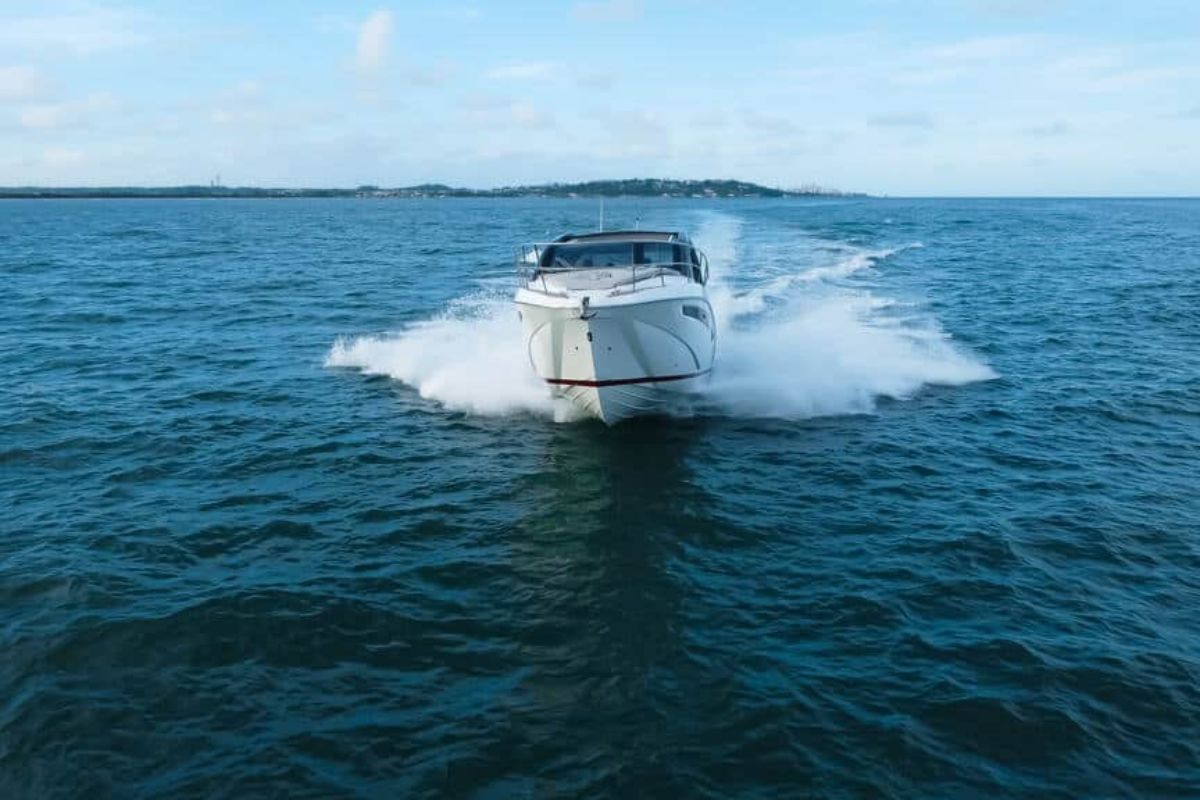


From Private Skipper to Instructor, Discover 5 Careers for Those with a Nautical License Who Want to Turn Their Passion for the Sea into a Profession in the Sports and Recreation Sector.
Having a Nautical License issued by the Brazilian Navy is the first step for those who wish to navigate for leisure. However, many don’t realize that this license, even in amateur categories such as the Arrais-Amador, opens a range of careers for those with a nautical license in a growing market every year.
For those who love the sea, rivers, or reservoirs, turning this hobby into a source of income is a real possibility. Based on sector analyses, we’ve listed 5 careers for those with a nautical license who wish to work in what they love the most.
1. Private Operator (Skipper or Sailor)
One of the most common careers for those with a nautical license is that of a private operator. Many people own boats or sailboats but don’t have the time to pilot them, don’t feel completely secure, or simply prefer to relax and enjoy the trip with family and friends.
-
Over 300 People in Barcelona Demonstrate Temperature Differences Between Shaded and Sun-Exposed Sidewalks

-
Tired of High Rent, Woman Converts Truck into Mobile Home for Travel Lifestyle
-
After Earthquakes Devastated Thousands of Homes in Nepal, Woman Uses Compressed Earth Bricks to Build Over 40 Resilient Houses
-
Wind energy company discovers 19th-century shipwreck with 615 tons of coal while surveying seabed for 150 turbines installation.





This is where the qualified professional comes in. Being hired to pilot these vessels on weekend trips, fishing excursions, or longer journeys is an excellent opportunity. According to profession guides in the sector, trust between the owner and the skipper is key to success in this area.
2. Nautical School Instructor
For a person to obtain their Arrais-Amador license, the most common category, the Navy requires proof of onboard practical lessons. This creates a constant demand for qualified instructors, making this one of the most stable careers for those with a nautical license.
If you have teaching skills and patience, you can work at an accredited nautical school, teaching future navigators how to maneuver boats and other vessels safely, preparing them for the practical exam.
3. Charter Services and Tourist Tours
In coastal areas, reservoirs, or rivers with great tourist appeal, there is always a strong demand for boat trips. As a licensed professional, you can be the captain of vessels that conduct these tours.
Moreover, if you own your own vessel, you can start a “charter” business. This service consists of renting out the boat with the operator included, offering personalized tours and experiences for small groups, a booming market in experience tourism.
4. Vessel Delivery
Another interesting career is that of boat delivery. This service consists of transporting a vessel for an owner from one location to another. For example, taking a boat from Angra dos Reis (RJ) to Guarujá (SP).
This is a job that requires experience and responsibility. According to a feature published about the nautical market, depending on the distance from the coast where navigation will occur, this service may require higher qualifications, such as Mestre-Amador or Capitão-Amador.
5. Support in Nautical Events and Marinas
Brazil has a busy calendar of nautical events, such as sailing regattas, powerboat competitions, and shows at marinas. All these activities require a support crew on the water to ensure safety and organization.
Among the careers for those with a nautical license, this is one of the most dynamic. The role may include piloting support boats, assisting in setting up the competition course, providing quick support to competitors, or ensuring the safety of the event area. To work at these events, it’s essential to have the correct documentation, and trying shortcuts like buying a nautical license won’t help, as inspections are usually strict.