Portuguese
  Spanish


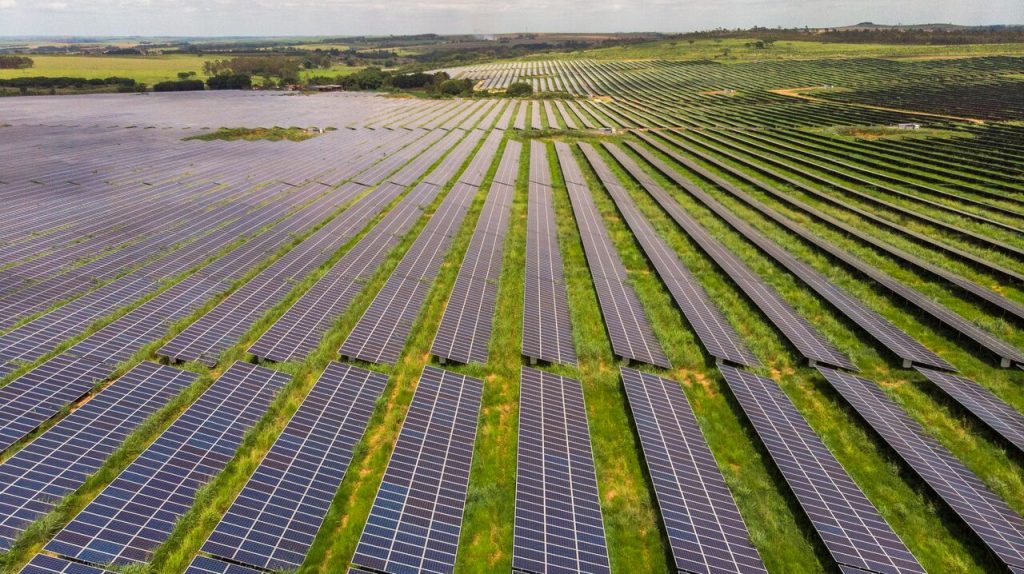

The Brazilian Aluminum Company (CBA) Delivered 70 Tons of Aluminum for Support Structures for Photovoltaic Panels in the Pantanal
CBA, in a project developed by Omexom, part of the VINCI Energies Group, has completed the delivery of 70 tons of aluminum to structure photovoltaic plants in the heart of the Pantanal, in Mato Grosso do Sul. The project aims to generate clean and renewable energy for isolated communities in the area that previously had no access to electricity. The project will benefit about five thousand residents from seven thousand municipalities spread across the region, covering a total area of 90 thousand square kilometers (Km²).
Also Read:
- With the Drop in Brent Oil Prices, Bolsonaro States That Gas Prices “Must Fall”
- Batteries Could Make Oil a Thing of the Past: ANEEL Prepares to Regulate Batteries and Encourage Clean Wind and Solar Energy Sources in 2022
- Embraer Offers Internship Positions with Possibility of Remote Work or in SP
Each plant is formed by modular systems that capture and distribute solar energy, enabling the supply of energy to homes, schools, and medical units in parts of the Pantanal where the necessary infrastructure to distribute electricity would not reach. Another innovative difference is the use of lithium batteries to store solar energy for use at night and/or on cloudy days, being the first large-scale program to utilize this technology in Brazil.
The result ensures greater operational efficiency, longer lifespan, and less environmental impact compared to other technologies used to date. A single solar energy generation plant has the capacity to supply a home with a refrigerator, television, radio, three light points, and a small washing machine, for example.
-
Solar energy reaches 55 GW, becoming the second largest power source in Brazil’s energy mix

-
Brazilian scientists are simultaneously advancing two research projects on clean hydrogen and driving solutions that could transform the energy matrix, enhance industrial competitiveness, and accelerate large-scale emission reduction targets.
-
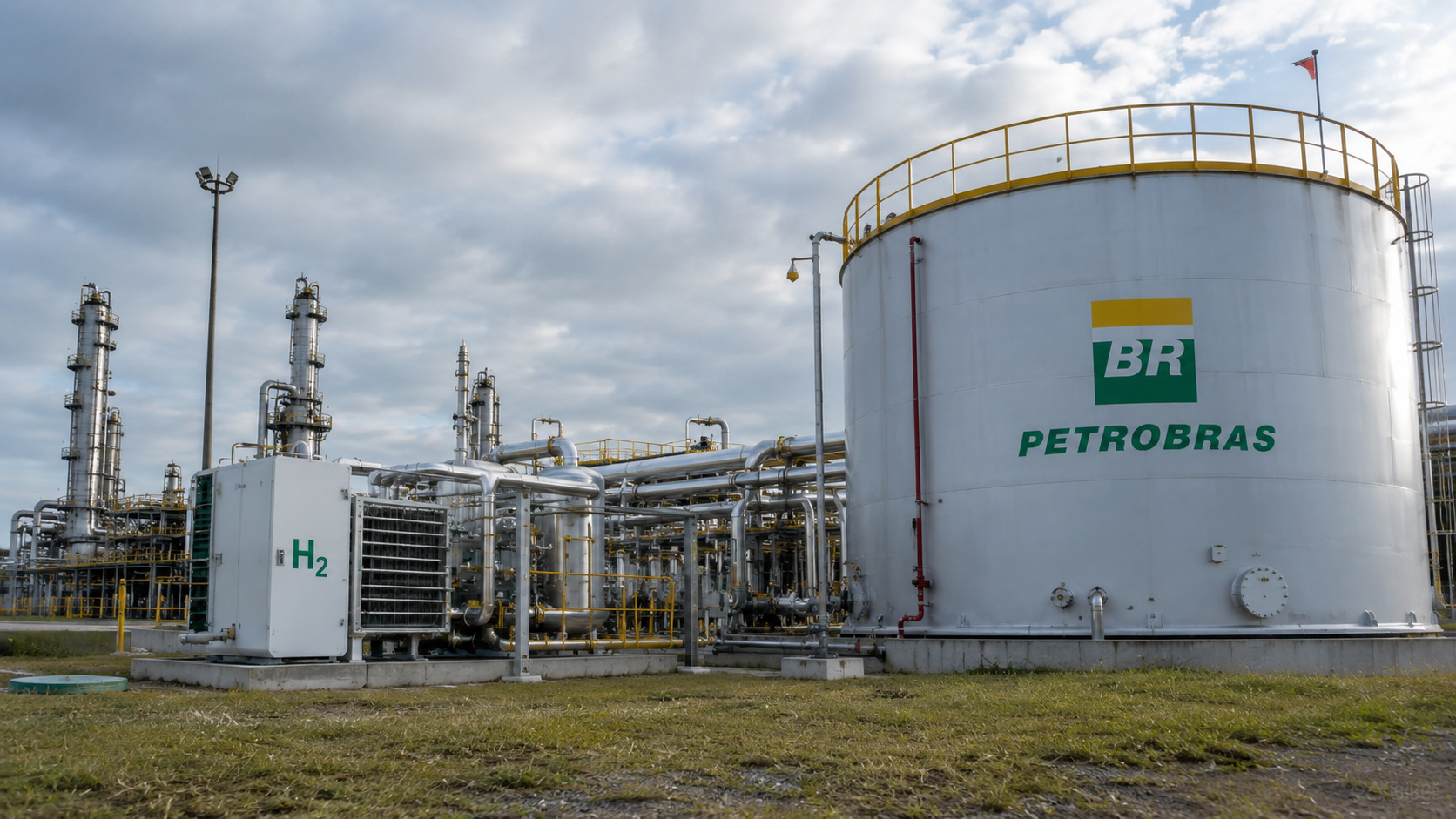
Advancement in renewable energy: A R$ 150 million project launched by Petrobras and Finep aims to create state-of-the-art electrolyzers for green hydrogen, strengthening national research and preparing Brazil to compete in a billion-dollar energy market.
-
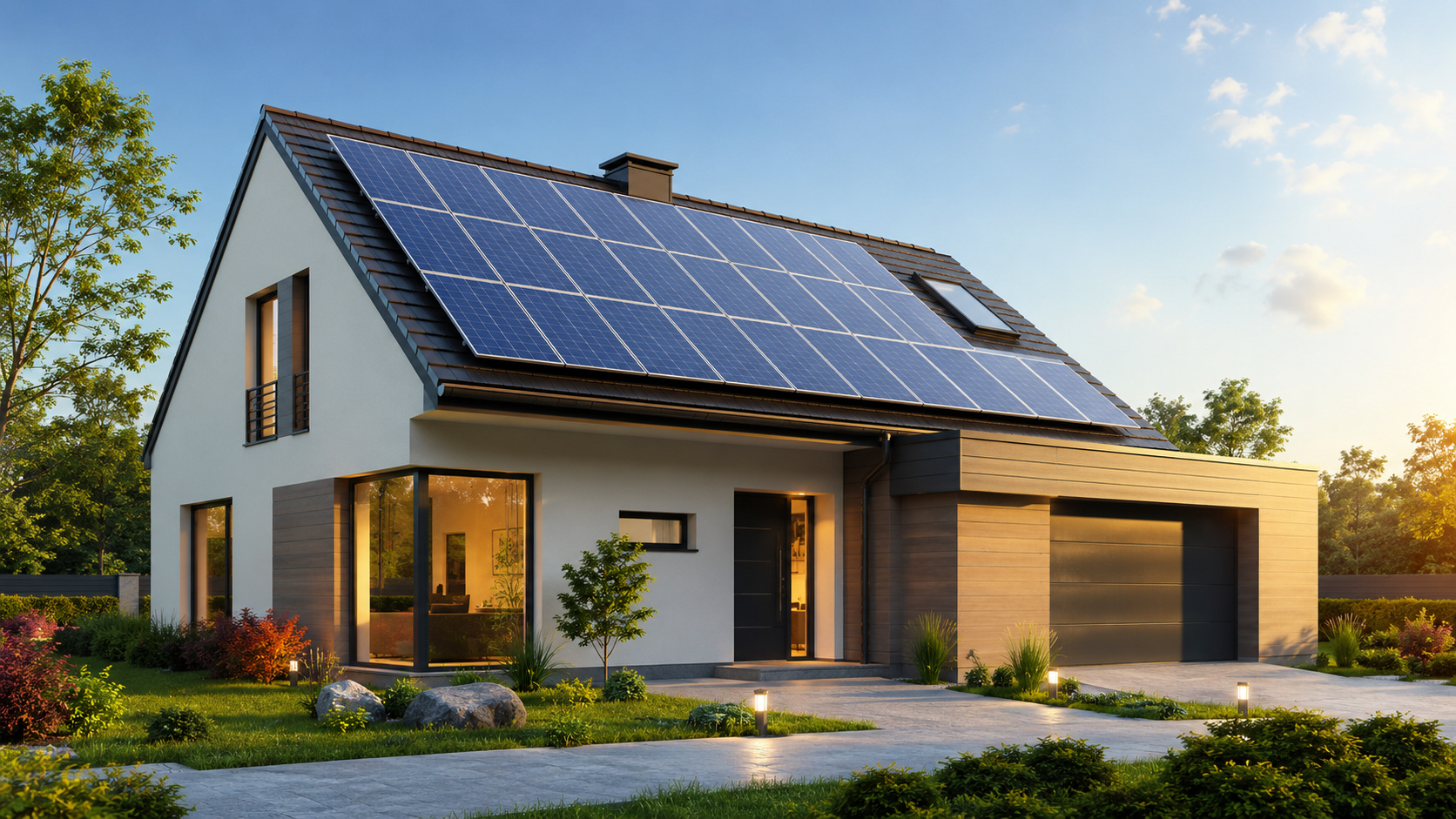
Solar energy can increase property value by up to 10% and become a selling point.
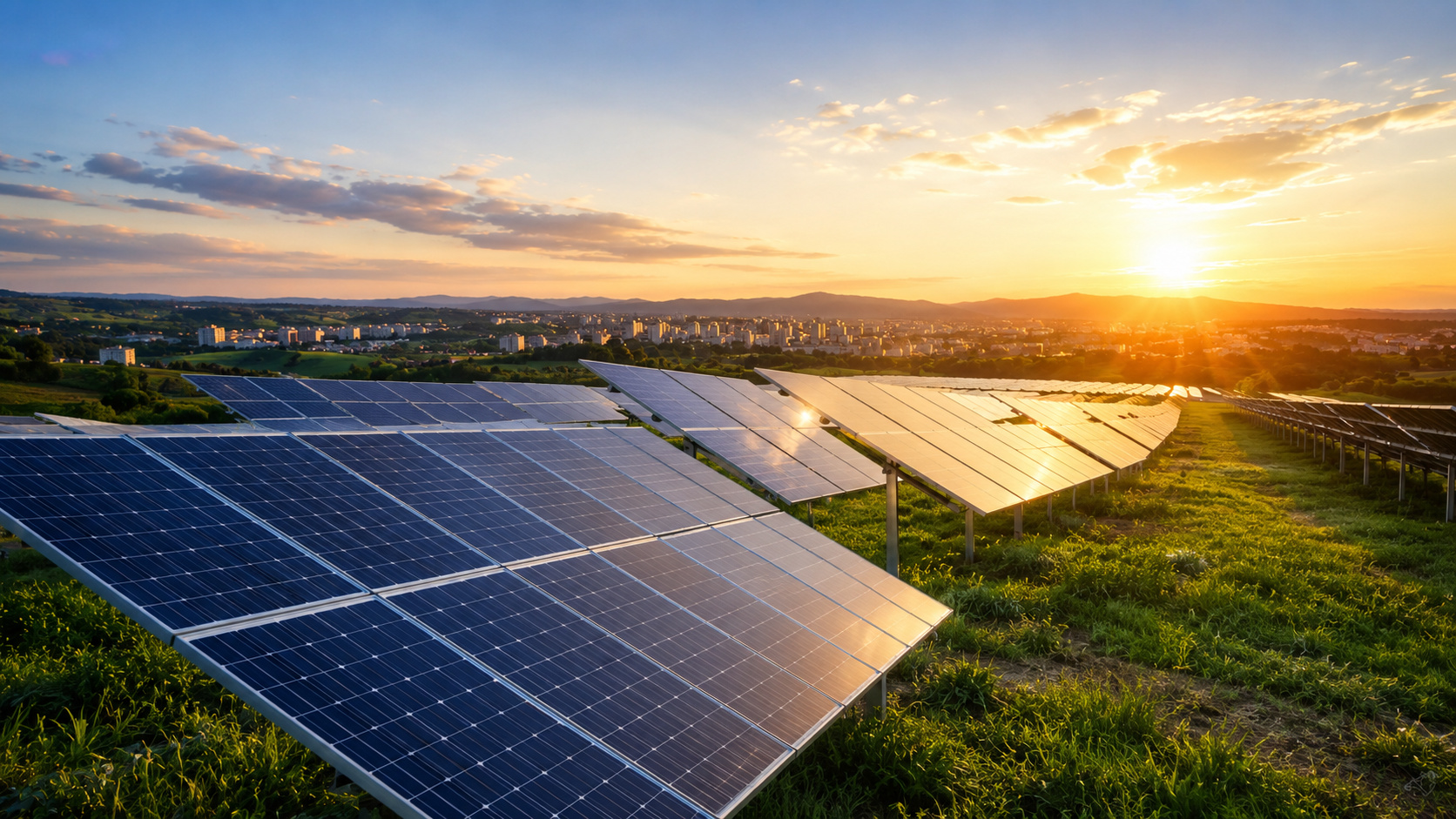

100% Clean and Renewable Energy
According to CBA’s Director of Transformed Businesses, Fernando Varella, the solar energy program implemented in the Pantanal brings together a series of important characteristics. “In addition to being innovative and having low environmental impact, the ultimate goal of providing electricity from a 100% clean and renewable source will allow many families to access basic items such as refrigerated food, lighting, especially in schools, and improved quality of life,” he states.
CBA offers aluminum products for the energy market in many electricity generation, transmission, and distribution proposals. In the solar energy sector, especially, the company acts by supplying aluminum frames for solar panels, in addition to solutions for photovoltaic structures used in centralized and distributed generation.
The company is a pioneer and leader in South America in this type of solution for the solar energy trade and continues to focus on its goal of being a provider of solutions and services.
“In this regard, CBA seeks to maintain close relationships with its customers and suppliers, developing co-creation projects and, in this partnership with Omexom, also acted in support of co-engineering, which enhances the delivery of customized aluminum solutions, in line with specific and sustainable needs. These are opportunities to create and generate value in partnership, fostering the use of new technologies, encouraging the Company to enter new business models, and promoting long-term relationships,” Varela concluded.
Access to Energy
The head of Photovoltaic Energy Businesses at Omexom, Eduardo da Matta, states that this solar energy generation project was developed to increase access to energy for families living in isolated regions of Brazil, such as near the Pantanal, addressing regional sustainability issues while respecting local fauna and flora and promoting social inclusion. Additionally, it also provides the challenging goal of bringing energy to hard-to-access locations, covering a territorial area larger than several European nations.
The project manager for the solar energy generation “Ilumina Pantanal” at Energisa, Héber Henrique Selvo, states that “R$10 million was invested over five years in research and development studies to arrive at the most robust solution and the most economically viable technology to overcome the logistical challenges of implementing and maintaining a project in the biome that is the largest floodplain in the world and a World Biosphere Reserve recognized by UNESCO.”
The “Ilumina Pantanal” program serves 2,090 families in the regions of Corumbá, Aquidauana, Coxim, Ladário, Porto Murtinho, Rio Verde de Mato Grosso, and Miranda. The project for installing solar energy plants is a partnership between the Energisa Group, the Government of the State of Mato Grosso do Sul, and the Federal Government, through the Ministry of Mines and Energy and the National Electric Energy Agency.