Portuguese
  Spanish


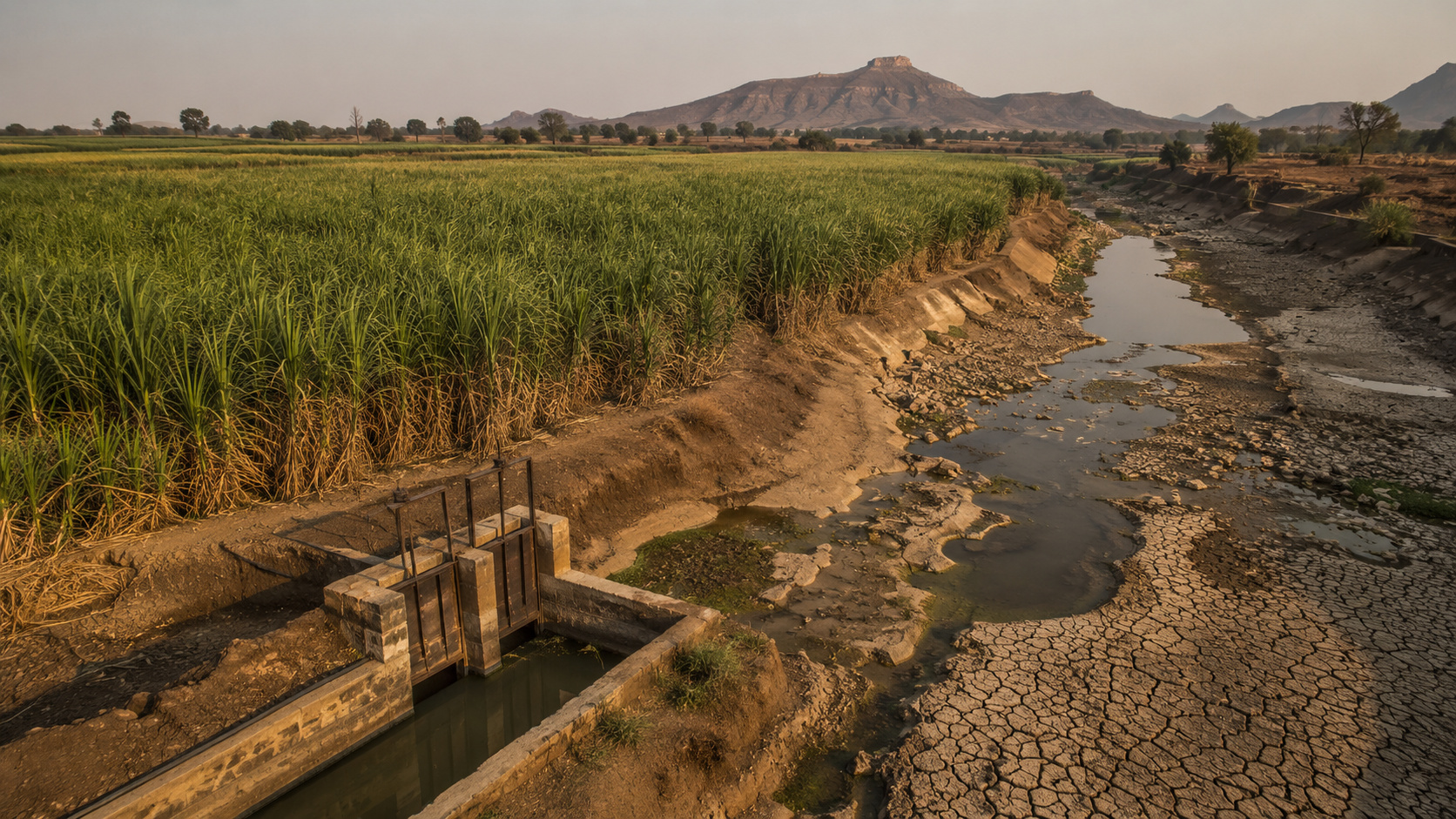
In an interview with the Pânico Retrô channel on YouTube, on 06/23/2026, Luiz Carlos Molion stated that El Niño does not depend only on warm water in the Pacific, but on the atmospheric response, and advocated caution in the field before decisions about cattle, planting, and harvest until September, according to the transcript analyzed for the report.
The El Niño returned to the center of the climate debate in Brazil after an interview with meteorologist Luiz Carlos Molion on the Pânico Retrô channel on YouTube, on 06/23/2026. In the conversation, he contested predictions considered alarmist, stated that the atmosphere had not yet responded to the warmed Pacific, and called for caution before making decisions in the field.
According to Molion, it would still not be possible to affirm that the phenomenon will have severe effects on Brazil before observing whether there will be coupling between the ocean and the atmosphere. His recommendation was especially directed at rural producers and cattle ranchers, who, in his assessment, should not sell cattle or delay planting before a clearer reading, possibly in September.
Who is Luiz Carlos Molion and why his statement gained repercussion
Luiz Carlos Molion is a well-known meteorologist in Brazil and is frequently cited in climate debates. According to available academic information, he has a degree in Physics from the University of São Paulo, a PhD in Meteorology from the University of Wisconsin, a post-doctorate in Forest Hydrology, was a retired associate professor at the Federal University of Alagoas, and a retired senior researcher at INPE/MCT.
-
In a Degraded Atlantic Forest Area, a São Gonçalo Resident Transforms Land into a Living Eco-Museum, Now a Model for Environmental Education

-
World’s First Lithium-Sulfur Battery Factory Launches, Promising to Double Range Without Relying on China

-
AI Data Centers Now Feature Built-In Nuclear Power Plants and Have Ordered Non-Existent Reactors
-
In India, thousands earn about $2.50 an hour cooking and cleaning with a phone strapped to their heads, as every move is recorded to train humanoid robots for jobs they might one day replace.


This background helps explain why his analysis of El Niño draws attention among rural producers, communicators, and people interested in climate. In the interview with Pânico Retrô, Molion was questioned about news indicating the risk of a severe climate scenario, especially for Brazil, and he responded that his reading was different.
The central point of his statement was the distinction between ocean warming and the consolidation of the phenomenon. For him, the mere fact of having warm water in the Pacific is not enough to affirm that El Niño is already causing defined impacts on the Brazilian climate.
The main message was one of caution. Molion argued that catastrophic predictions made before the atmospheric response could lead producers to hasty decisions, such as selling livestock or altering the planting calendar without the situation being effectively confirmed.
Why El Niño Doesn’t Depend Solely on Warm Water
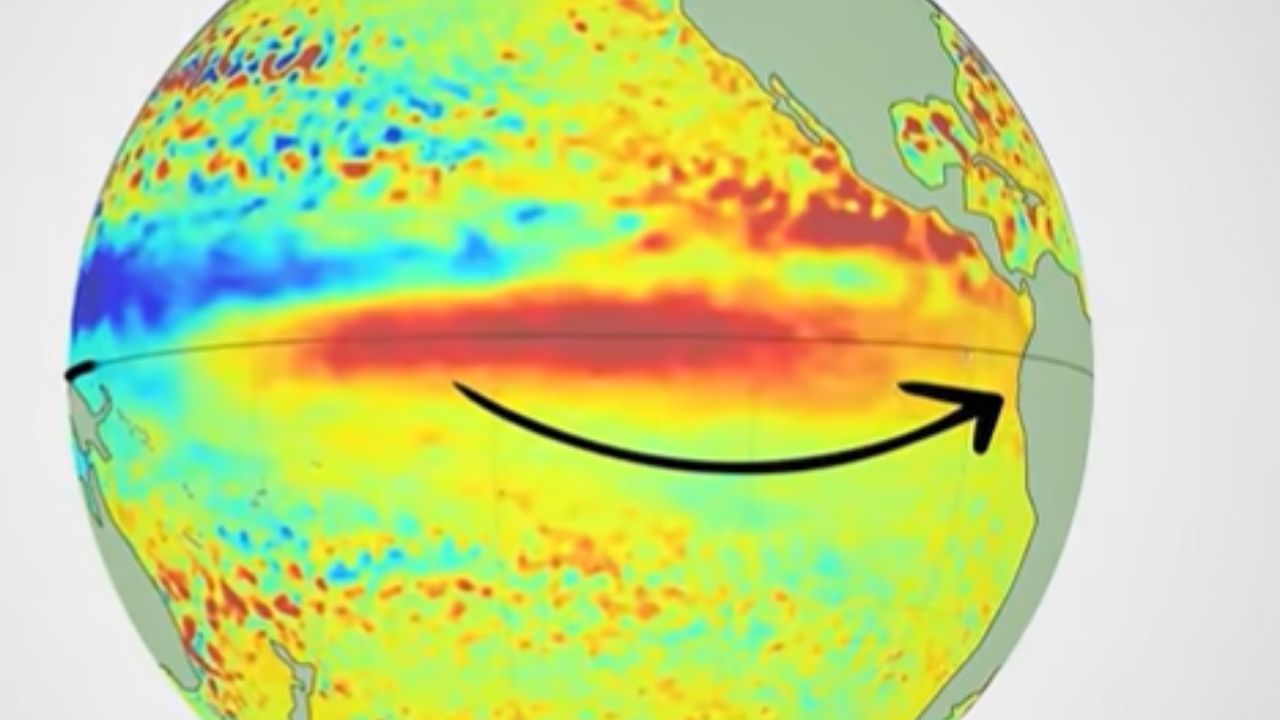
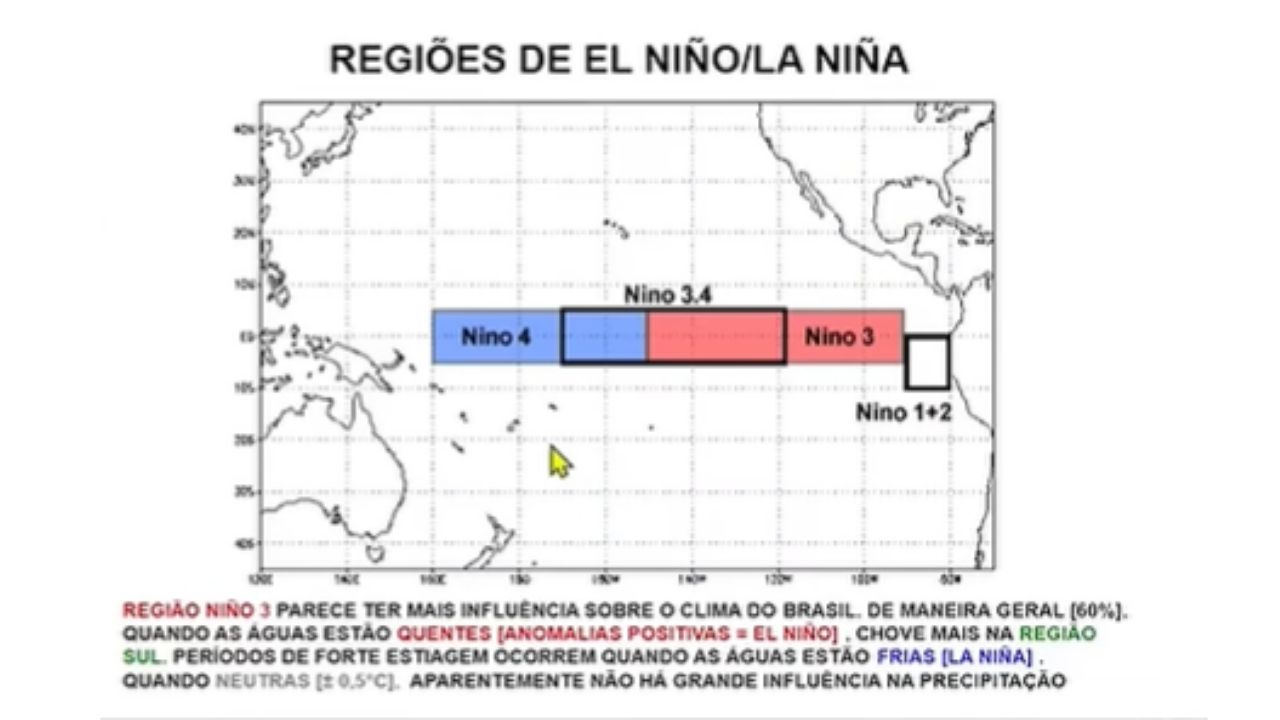
During the interview, Molion explained that the complete phenomenon involves two parts: the oceanic and the atmospheric. He mentioned the term ENSO, an acronym associated with El Niño-Southern Oscillation, to emphasize that the warming of the Pacific needs to be accompanied by changes in the atmosphere to alter the distribution of rainfall.
In his explanation, the ocean can present warm areas without it automatically meaning a strong El Niño is at play. The meteorologist stated that what really changes the rainfall regime is the atmosphere. If it does not interact with the warm ocean, the effects may be reduced or may not materialize as expected.
Molion also mentioned the pressure oscillation between regions like Tahiti, in French Polynesia, and Darwin, in northern Australia. According to him, this variation acts like a kind of barometric seesaw, used to observe the connection between the ocean and atmosphere in the Pacific.
Based on this reading, he contested the use of closed forecasts before September. In the meteorologist’s assessment, the relevant data is not just the water temperature, but the response of the atmospheric system. Without this response, the scenario would remain undefined.
The Hypothesis Cited About the Warm Pacific
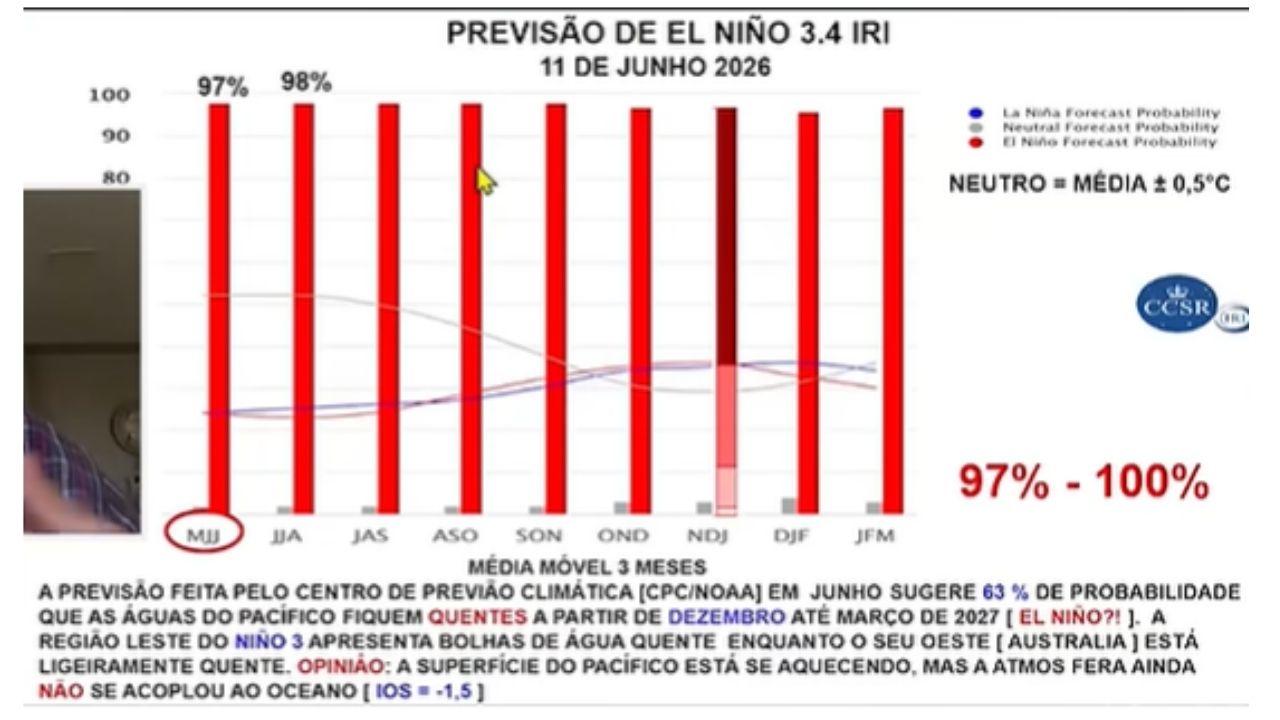
One of the most striking parts of the interview was Molion’s explanation about the origin of the warm water observed in the Pacific. He linked part of this warming to an earthquake that occurred on April 20 in northeastern Japan, near the ocean and at shallow depth, which would have generated an internal wave capable of spreading warm water.
According to his assessment, this movement would have been faster than a subsurface wave associated with a traditional El Niño. Molion stated that, in common situations, such a wave could take about three months to cross the Pacific, while the episode commented on would have advanced in less time.
The meteorologist also said that satellite images and observed data would indicate winds still blowing normally, from South America towards Australia. For him, this behavior would be another sign that the atmosphere is not yet coupled to the warm water.
As the interview presents Molion’s verbal analysis, and not a complete technical report attached to the transcript, the point should be treated journalistically as the meteorologist’s interpretation. The central point for the reader is that he does not deny the presence of warm water, but questions whether this already characterizes an El Niño with defined effects in Brazil.
What Molion said about rural producers
The most practical part of the interview appeared when Molion spoke directly about rural producers and livestock farmers. He stated that, given the uncertainties, the field should work “as if nothing were to happen” until there was a firmer reading on the atmosphere’s response.
In his speech, any news released before this confirmation could be just alarmism. The meteorologist expressed concern about people thinking of selling cattle out of fear of food shortages or refraining from planting to avoid losing the crop. For Molion, decisions of this magnitude should not be made based on still undefined forecasts.
The warning makes sense within the economic context of the field. Planting, purchasing inputs, pasture management, and animal sales are decisions that involve high cost and planning. A climatic information received as certainty can alter the entire strategy of a rural property.
At the same time, the speech itself requires balance. Molion did not provide an absolute guarantee that nothing will happen in Brazil. He maintained that, up to that moment of the interview, on 06/23/2026, there were still not enough elements to treat El Niño as a consolidated event with severe effects in the country.
September appears as a point of observation


Molion cited September as the period when it would be possible to have a better idea about the atmosphere’s response. According to him, the atmospheric system can take three to four months to react to changes in sea surface temperature. Therefore, the assessment made in June would still be premature.
In the interview with Pânico Retrô, he also mentioned the possibility of a delay in the start of the rainy season, especially in the Midwest. In his statement, the rain might not start in October and might occur more towards mid-November, but this possibility was not presented as a definitive certainty.
This point is important because it avoids two erroneous interpretations. The first would be to turn El Niño into an inevitable catastrophe before atmospheric confirmation. The second would be to conclude that there will be no climatic impact in Brazil. Molion’s position, according to the transcript, was to wait for clearer data.
The recommendation to producers, therefore, was not to ignore the climate, but to avoid panic. The statement suggests continuous technical monitoring, without radical decisions based solely on headlines or still uncertain projections.
Debate on climate requires caution with quick certainties
Climatic phenomena usually generate great public interest because they affect agriculture, livestock, supply, energy, and city routines. In the case of El Niño, the debate becomes even more sensitive because the phenomenon is associated with changes in rain and temperature in different regions.
Therefore, communication on the subject needs to be precise. When a forecast appears as an absolute certainty, it can generate fear and premature economic decisions. When a contestation is read as a guarantee of normality, it can also create false security. The balance is in recognizing uncertainty and monitoring the signs responsibly.
In the interview, Molion criticized what he called alarmism and stated that climate models should not be treated as definitive proof. His statement reinforces a critical view on long-term forecasts and on how alerts reach the public.
The transcript, however, does not provide a counterpoint from other meteorologists or official bodies in the same material. Therefore, the most correct approach is to present the statement as Molion’s assessment, contextualizing his background and making it clear that his recommendation was for caution until September.
What Molion’s statement changes for those who monitor the climate in Brazil
The interview with Luiz Carlos Molion on the Pânico Retrô channel, on 06/23/2026, does not end the debate on El Niño, but adds an important point: the warming of the Pacific alone is not enough to explain all the possible effects in Brazil. According to him, the atmosphere needs to respond to the ocean for the phenomenon to have a clearer impact.
For rural producers, the message was clear. Molion advised not to sell cattle, not to delay planting, and not to change plans in the field out of fear before a more consistent atmospheric definition. In his assessment, September would be a more suitable period to understand if the system would really consolidate.
The case also shows how climate information can influence real decisions. A poorly interpreted forecast can affect a farm’s planning, while a careful reading can help the producer prepare without acting impulsively.
Do you think alerts about El Niño help producers protect themselves or, when released in a catastrophic tone, can provoke hasty decisions in the field? Leave your opinion in the comments.