Portuguese
  Spanish


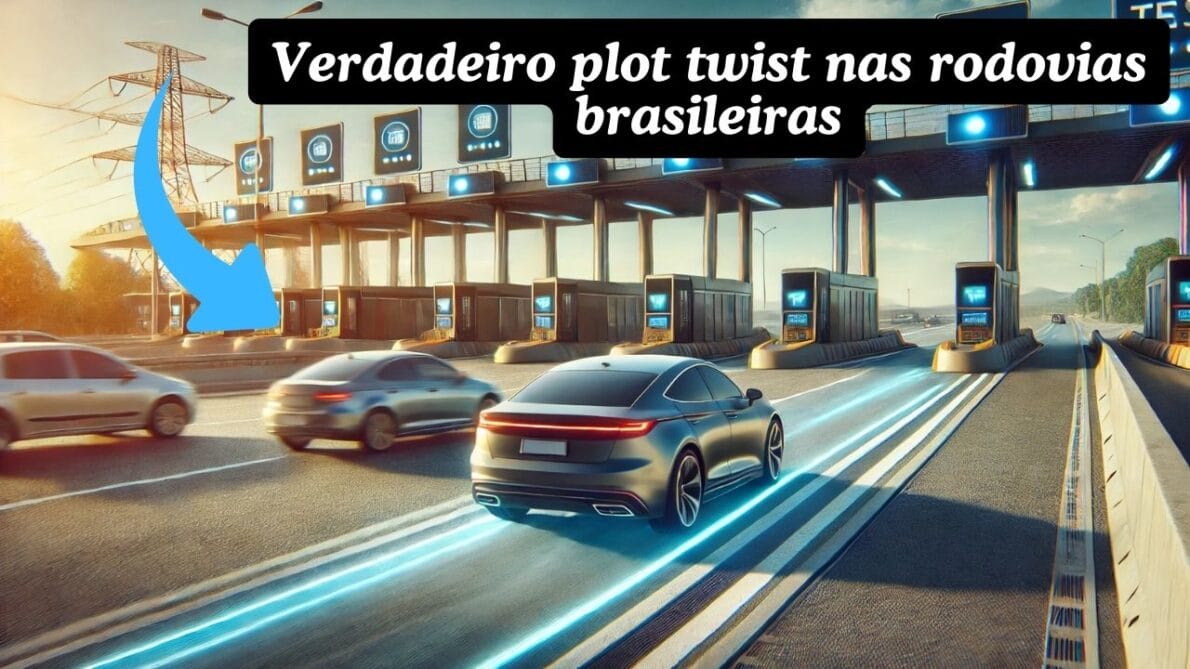

Resolution No. 1013/2024 by Contran Brings Changes to Electronic Toll and Promises More Fairness in Charging for Users of Brazilian Highways
Contran has just given a real plot twist on Brazilian highways! The new rules for electronic tolls, announced this Monday (14), promise not only to modernize the system but also to bring more practicality and fairness for those who need to cross the country’s roads. And believe it, the change will directly impact the lives of thousands of drivers.
Resolution No. 1013/2024 was approved by the National Traffic Council (Contran) and brings significant innovations to the toll system, known as free flow, allowing drivers to pass through automated charging points without having to stop at the booths. The measure extends the payment deadline from 15 to 30 days and centralizes everything in the Digital Traffic Wallet (CDT) app. Want to understand how this will affect your life? Let’s get into the details!
What Changes on Brazilian Highways with the New Contran Rules?
Brazilian highways have gained a technological boost with the new guidelines for electronic tolls. The free flow system had already been tested in some states and will now be adopted throughout Brazil. The main advantage is that drivers no longer need to stop at booths to pay the toll, which brings more fluidity to traffic and reduces carbon emissions.
-
Sales of Brazil’s Cheapest Electric Car Halted Before First Deliveries: E-Motors Suspends Emova Easy Due to Import Tax Increase and Rising Freight Costs

-
Nissan Discontinues Qashqai SUV Amid Cost-Cutting, Chinese Competition, and Product Line Review

-
BYD Patents Revolutionary System Using Computer Vision to Detect Animals Under Cars Before Starting, Preventing Tragedies

-
Study Reveals Why Cars Are More Expensive to Produce and Buy in Brazil Compared to Mexico, Highlighting Taxes, Logistics, and Industrial Costs as Key Factors.



With the new rules, the payment deadline for the fee has also been extended. Now, users have up to 30 days after passing to settle the amount, avoiding fines and complications. However, those who do not make the payment within this period will be subject to serious infractions, with a fine of R$ 195.23 and five points on their license.
Centralization in the Digital Traffic Wallet App
To simplify the lives of users on Brazilian highways, the charging will be centralized in the Digital Traffic Wallet (CDT) app, available for smartphones. According to Adrualdo Catão, National Secretary of Traffic, the centralization of information will make life easier for drivers, who often do not know where they should pay the toll. Now, all information will be accessible in the app, which should reduce complaints and make the process more efficient.
Charging by Distance Traveled: More Fairness for Drivers
One of the most anticipated changes is the introduction of charging proportional to the distance traveled. The new rule from Contran stipulates that drivers only pay for the distance they traveled, an innovation that promises to reduce costs for those who live near tolls or make short trips. Currently, the charge is fixed, regardless of the distance traveled.
This measure will be implemented through the installation of more gantries along the highways, allowing for precise measurement of the route. The impact on drivers’ pockets could be significant, with the fee being adjusted more fairly.
Safety and Mobility: A Gain for Everyone
In addition to more practicality and savings, the new Contran rules should improve safety and mobility on Brazilian highways. Toll charging points are often associated with accidents, and the elimination of these forced stops could reduce the number of occurrences.
Tests conducted in states such as Minas Gerais, São Paulo, Rio Grande do Sul, and Rio de Janeiro have already shown that the free flow improves traffic fluidity and reduces the need for abrupt braking, resulting in lower emissions and enhanced road safety.
What do you think of the new Contran rules for Brazilian highways? Will the charging by distance traveled bring relief to drivers’ pockets or complicate the system even more? Leave your opinion in the comments!